
Author: Ryan Haliburton
-
Why Rapid Deployment is the Future of Storm Shelter Construction
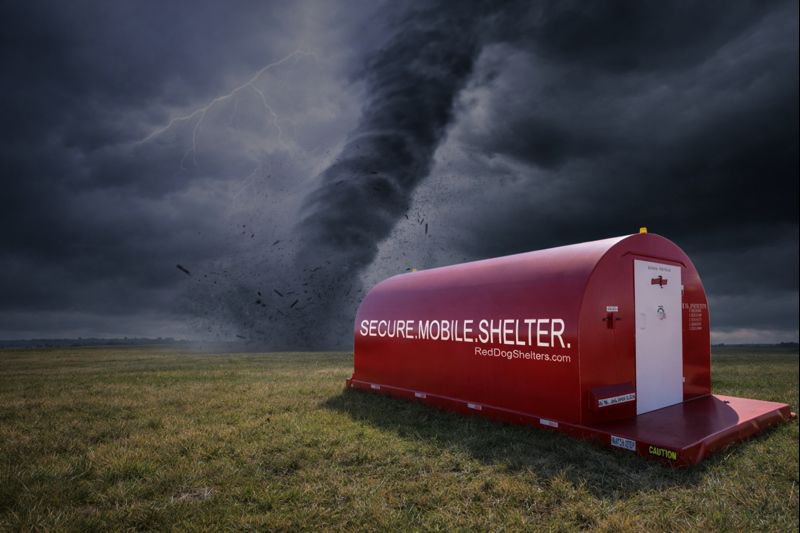
Traditional storm shelter construction prioritizes permanence over practicality, which creates real problems for temporary, remote, and phased industrial sites. Above-ground, rapid-deployment shelters certified to FEMA and ICC 500 standards are changing that equation by matching protection to how projects actually work.
-
Hardening Mission Critical Facilities Against Extreme Wind Events
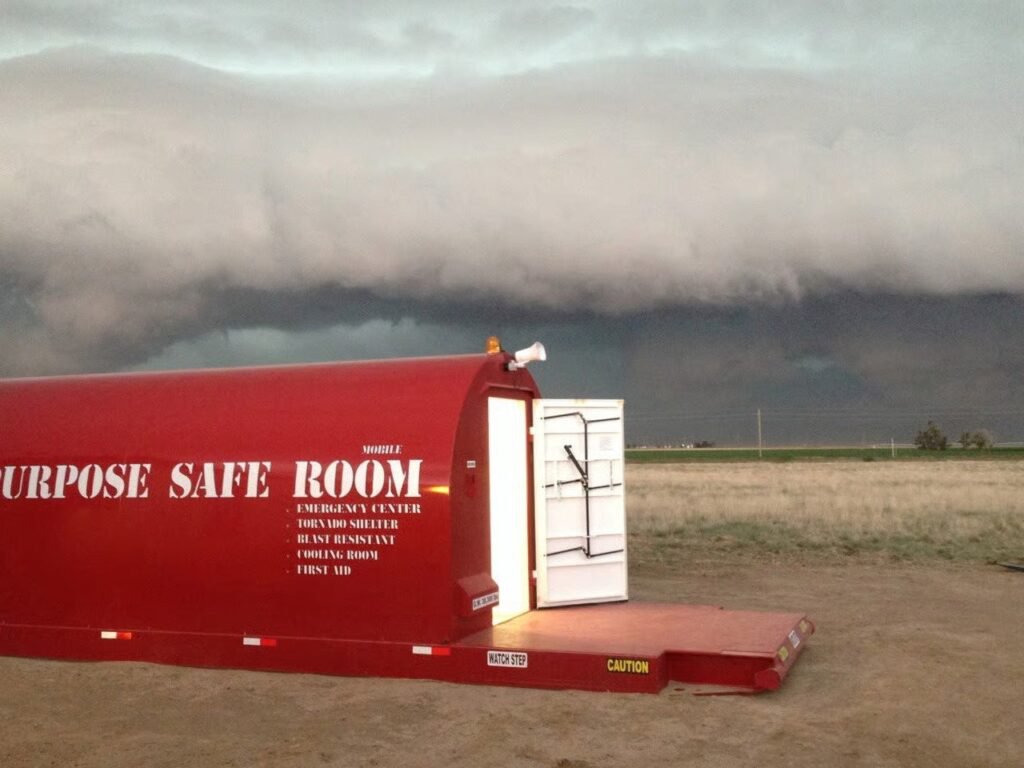
Extreme wind events don’t wait for convenient timing, and mission-critical facility operators face unique constraints when protecting rotating crews across large, infrastructure-dense sites. This article covers the structural, operational, and response-time factors that shape effective severe weather protection for data centers, utility sites, and industrial facilities.
-
The Role of Wind Shelters in Mitigating Debris Impact Risks on Remote Sites
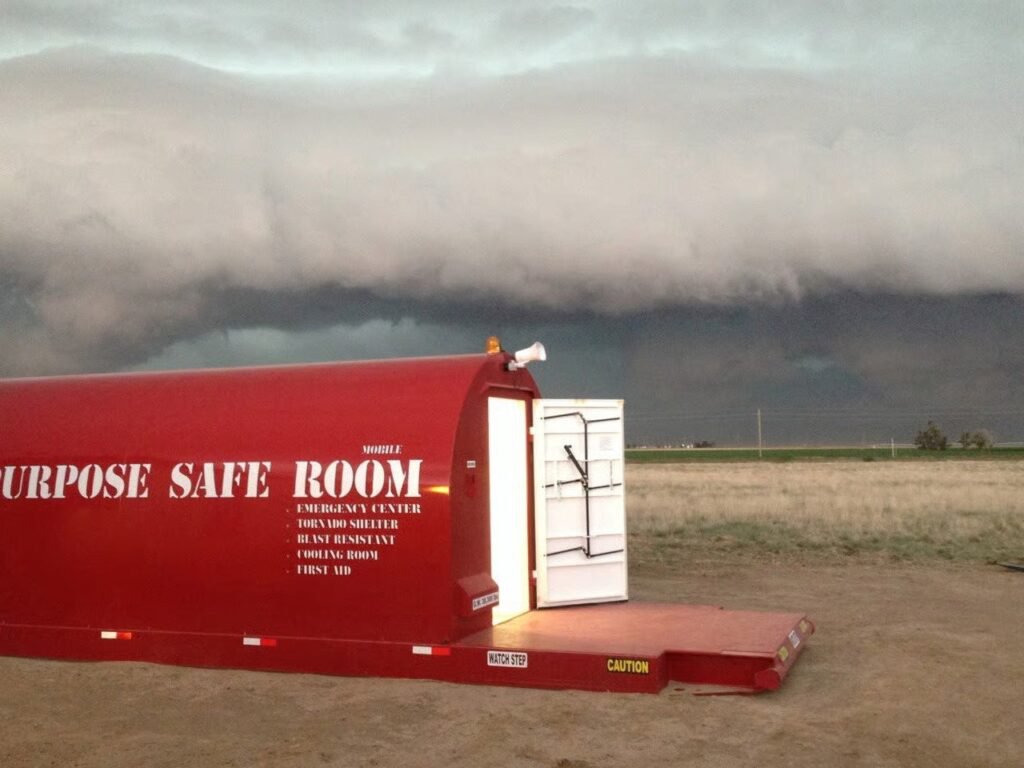
Flying debris is the primary threat in severe wind events, and remote industrial sites face compounding challenges that make shelter design, placement, and anchoring decisions critical. This article outlines what certified wind shelters must do and how to deploy them effectively on difficult terrain.
-

Why NSSA Storm Shelter Standards are the Minimum You Should Accept
NSSA storm shelter certification sets the baseline for real tornado protection. Learn what it covers, what it misses, and how to choose right.
-

The Benefits of Pre-Fabricated Safety Units for Modular Data Centers
Pre-fabricated safety units solve the speed & flexibility problems traditional shelters create on modular data center construction sites.
-
The Engineering Behind Aerodynamically Anchored Above-Ground Tornado Shelters
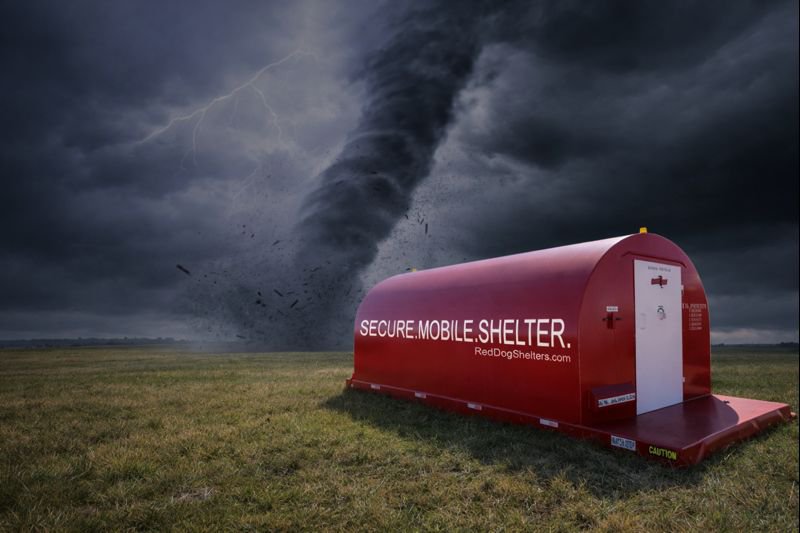
Above-ground tornado shelters with aerodynamic anchoring stay secured through wind-driven downward force rather than mechanical hardware, eliminating foundation work entirely. Understanding the engineering behind this approach helps safety managers evaluate shelter performance and plan more effective deployments.
-

Integrating Multi-Purpose Safety Shelters into Your Data Center EHS Strategy
Data center campuses leave outdoor contractors and operations staff exposed to severe weather risks the main building cannot always cover. Purpose-built safety shelters offer certified, fast-deploy protection for tornado response, heat emergencies, and emergency mustering across large industrial sites.
-

Integrating Disaster Response Into Your Data Center Infrastructure Strategy
Data center infrastructure management rarely accounts for the severe weather exposure faced by construction and maintenance crews on active sites. Distributed shelter placement, matched to workforce density and site phase, closes that gap before a storm forces the issue.
-

How Mobile Storm Shelters Reduce Weather-Related Project Downtime
Weather-related downtime on construction sites is often a placement problem as much as a planning problem. Mobile above-ground shelters give safety managers the flexibility to protect crews faster and return to work sooner.
-
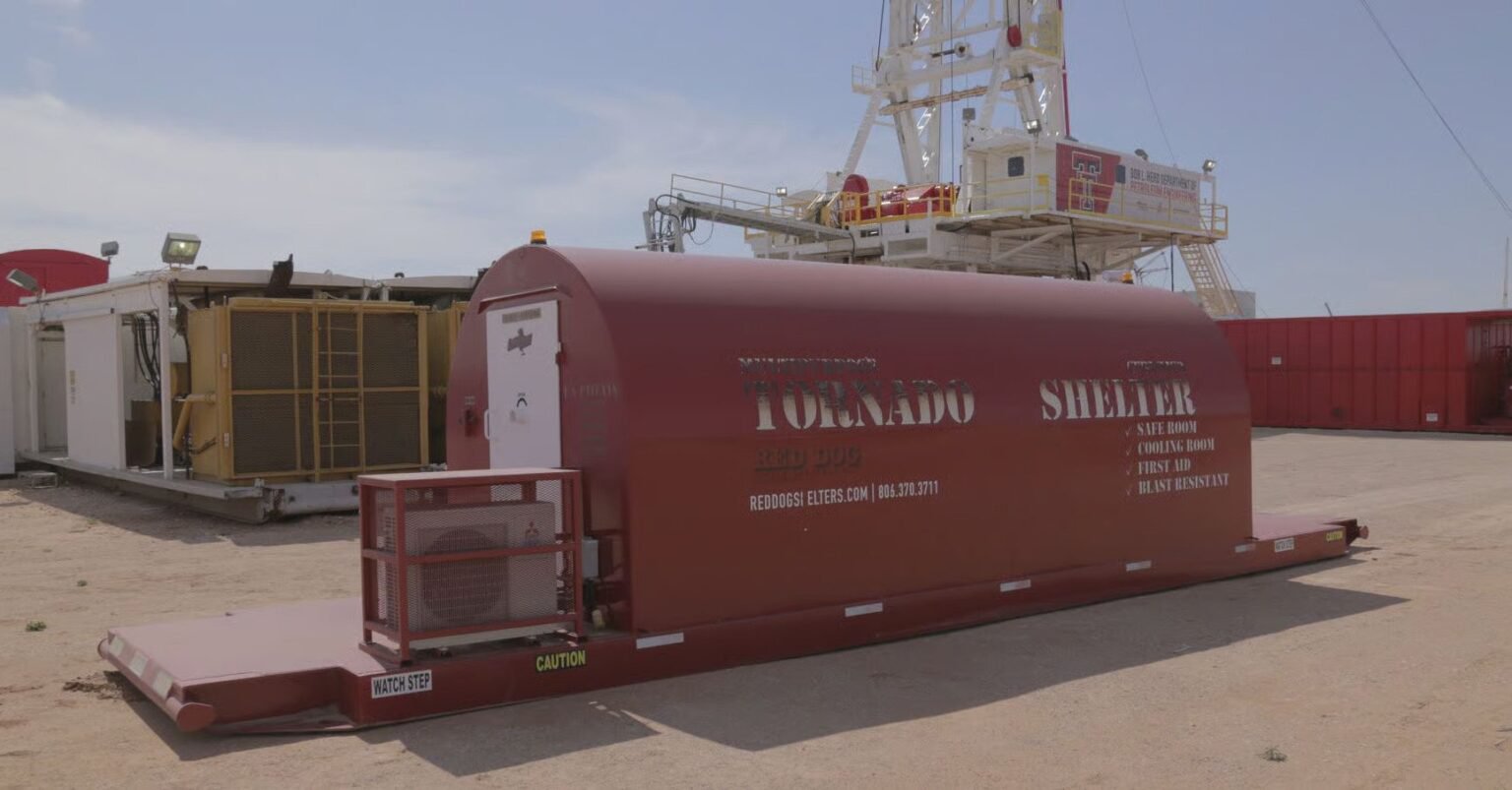
How Modular Shelters Provide Emergency Cooling During Infrastructure Failure
When data center cooling infrastructure fails, crew safety during recovery operations is often underprepared. Modular above-ground shelters provide independent climate control, rapid deployment, and dual-use severe weather protection without dependency on facility power.