
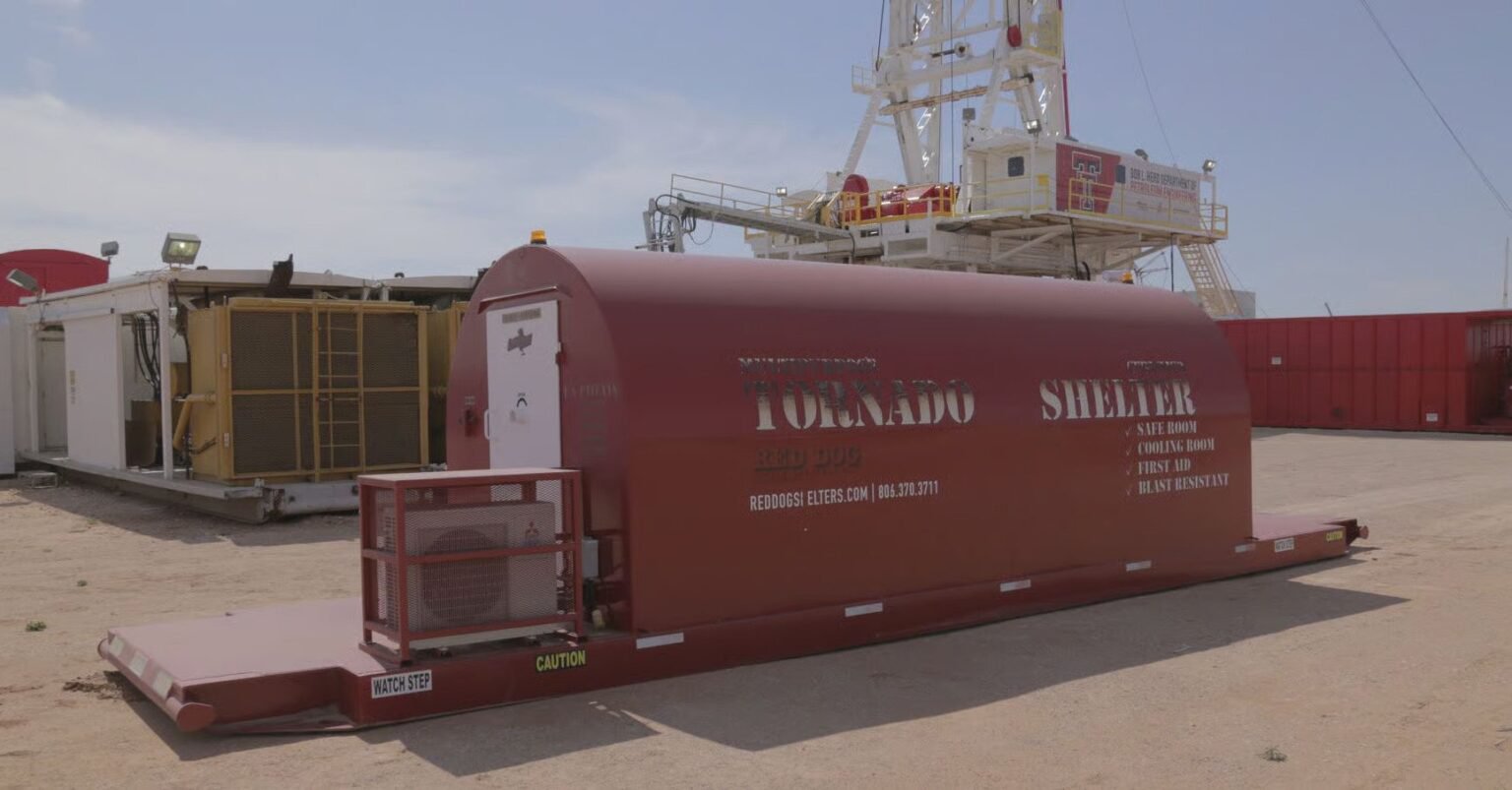
When data center cooling solutions fail, facility managers face two problems at once. Equipment temperatures rise fast. So does the risk to the crews working the response. Modular shelters address the second problem directly. They deploy without foundation work, run independently of facility power, and give workers a conditioned space to recover in throughout an extended outage.
This article explains how modular shelters fit into infrastructure failure response and why EHS leaders should include them in contingency planning.
Why Cooling Failures Put Workers at Risk
Data centers generate intense heat under normal operation. When primary and backup cooling systems fail at the same time, interior temperatures climb quickly. Workers handling manual interventions, equipment assessments, or repair work face serious heat stress risk as a result.
OSHA identifies heat as one of the leading causes of occupational illness. That risk increases sharply when workers are physically active in confined spaces with limited airflow. Standard emergency protocols account for system redundancy. Fewer account for where workers go to cool down and recover during extended response periods.
Data Center Cooling Solutions Require a Personnel Layer
Most contingency plans focus on protecting hardware. Workers managing the response often receive less attention.
A modular above-ground shelter deployed near the facility provides a controlled environment that does not rely on the site's compromised power grid. Units with dual HVAC systems and rapid cool-down stations maintain safe interior temperatures regardless of conditions inside the building. Three operational benefits stand out:
- Recovery intervals: Workers in high-heat environments need structured rest periods to stay safe and functional. A nearby conditioned shelter makes those intervals practical without pulling crews off-site.
- Independent power: Shelters with onboard generator capability run without drawing from the facility's backup power supply. That preserves critical resources for essential systems.
- Medical staging: A climate-controlled, accessible space can serve as a first-response area if a worker needs treatment while emergency response is being coordinated.
Fast Deployment Without Ground Preparation
Above-ground modular shelters require no foundation work, no mechanical anchoring, and no site preparation beyond a relatively level surface. A unit can be positioned on asphalt, gravel, or open ground in well under an hour.
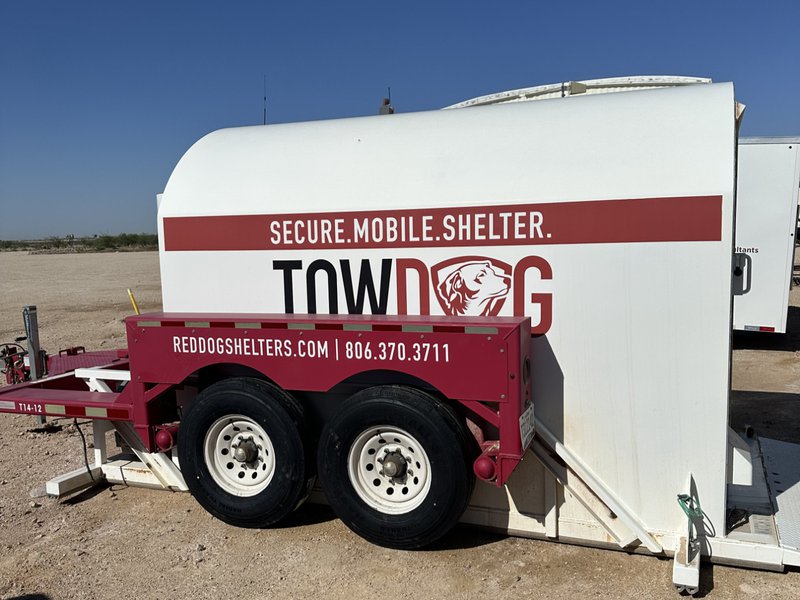
For data center operators managing campuses with multiple buildings, construction zones, or satellite sites, that flexibility matters. The shelter also repositions easily as the work zone shifts. The facility's own equipment can move it, or a winch truck can handle relocation.
Deployment speed is especially relevant when a failure follows a severe weather event. If a storm caused the outage, the same shelter that functions as a data center cooling solution staging area also serves as a certified tornado and severe weather safe room. Consequently, facilities dealing with weather-related outages get dual-use value from a single asset.
Scaling Data Center Cooling Solutions as Crew Size Changes
Extended recovery operations rarely involve a fixed headcount. Crew size shifts as contractors, utility responders, and facility technicians arrive in waves. Modular shelters scale with that reality.
Units can be added as the crew grows and removed when the response winds down. That approach avoids provisioning permanent cooling infrastructure for a temporary situation. Smaller trailer-mounted units work well in access-constrained areas. Larger commercial units accommodate 32 or more personnel and suit centralized staging areas during major recovery operations.
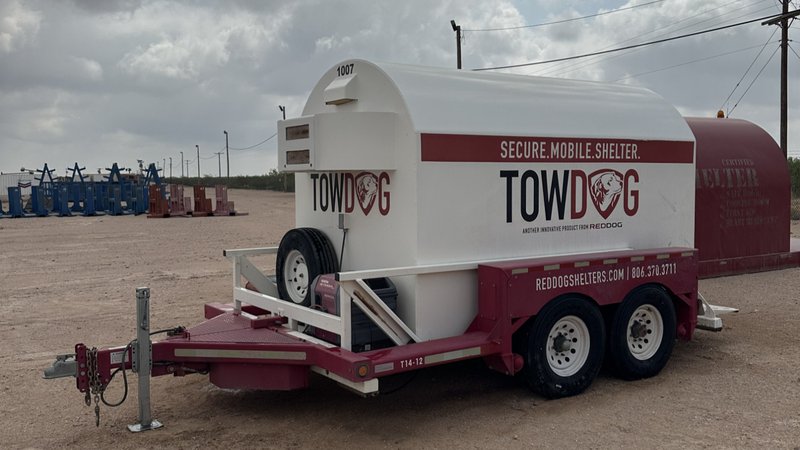
This scalability also applies to facilities with phased construction underway. Because shelters move without ground preparation, operators can reposition units as the site layout evolves.
Planning Questions for Facility Managers
Facility managers and EHS leaders updating their infrastructure contingency plans should work through several questions before the next failure occurs:
- Where do crews stage and recover during a prolonged cooling failure?
- Does the site have a climate-controlled option that runs independently of facility power?
- How quickly can personnel protection be deployed if conditions deteriorate?
- Does the current plan address heat stress risk during extended manual intervention periods?
A pre-positioned or rapidly deployable shelter answers all four. As a result, it fills a gap that most data center contingency frameworks leave open.
A Deployable Answer to an Overlooked Risk
Data center cooling solutions handle system redundancy well. Personnel protection during infrastructure failure deserves the same planning depth. A modular shelter gives crews an independent, climate-controlled space that supports safety throughout an emergency response.
Red Dog Shelters builds above-ground units certified to FEMA 361, ICC 500, and NSSA standards. Each unit includes integrated climate control, independent power options, and patented aerodynamic anchoring technology that secures the shelter on almost any surface without ground preparation. Units are available for short and long-term lease and delivery within 24 to 48 hours.