
Author: Ryan Haliburton
-
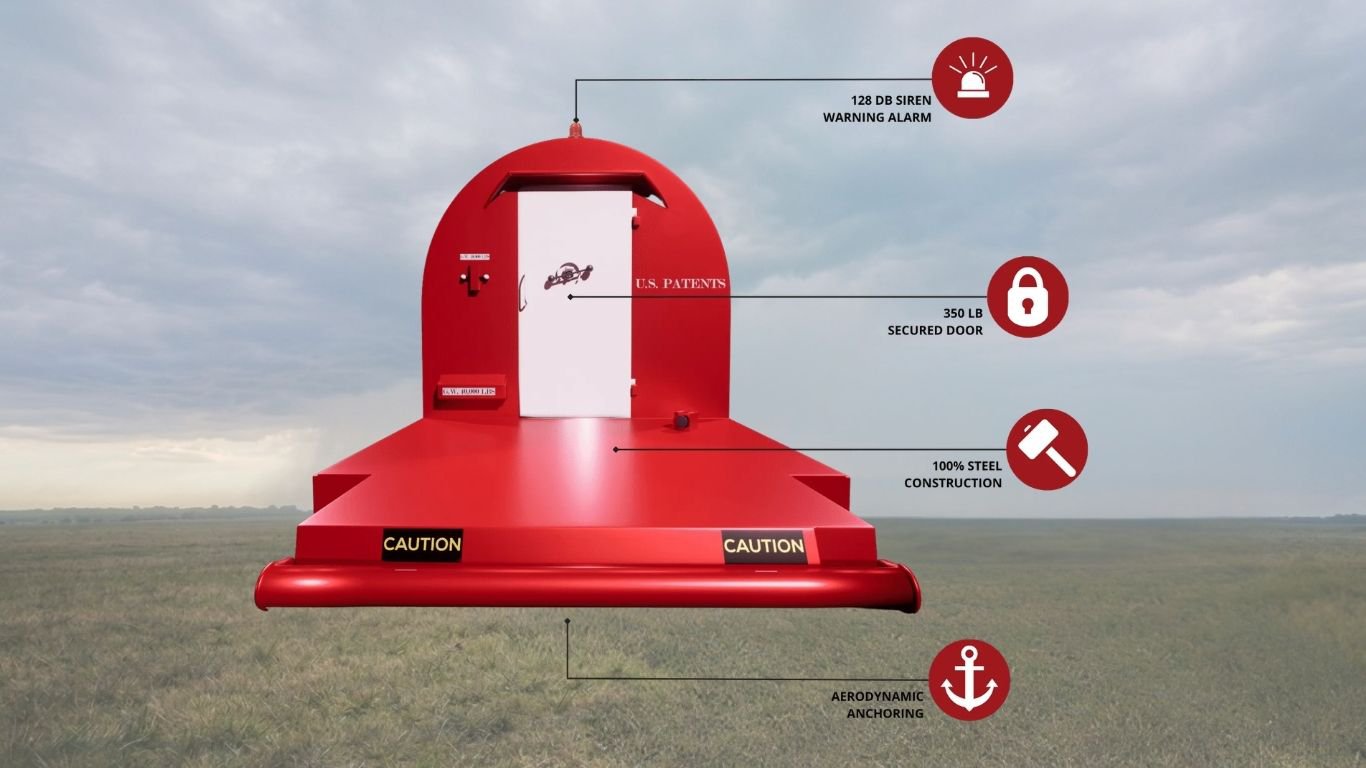
Versatility in the Field: How One Mobile Shelter Serves Four Different Functions
Most job sites deploy a mobile shelter for one reason and miss three others. Here’s what that means for your crew.
-
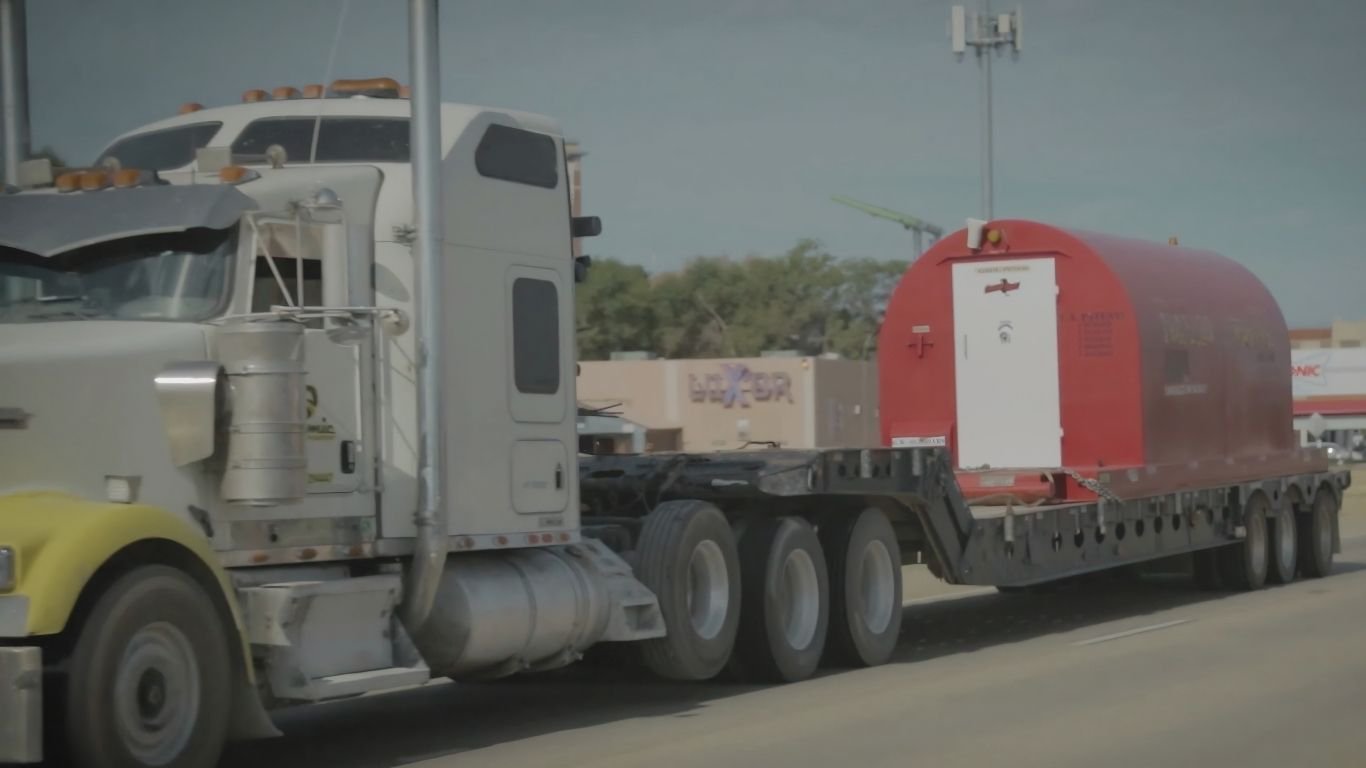
Mobile Shelters for Disaster Response
In the aftermath of emergencies, first responders stay when everyone else leaves. Here’s what operations managers on remote sites need to consider.
-
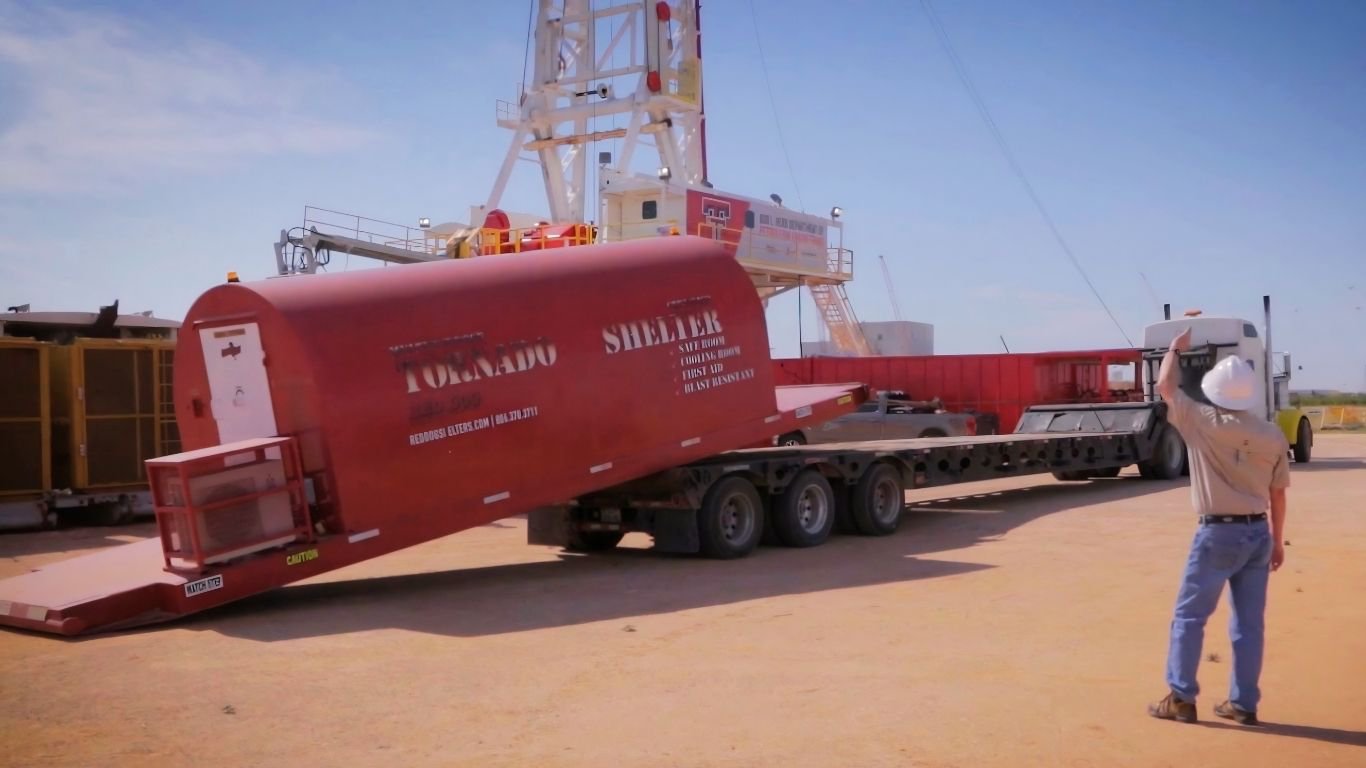
Maximizing On-Site Flexibility With FEMA-Rated Portable Storm Shelters
FEMA-rated portable storm shelters move with your project. Learn what separates a certified unit from a standard enclosure on an evolving industrial site.
-
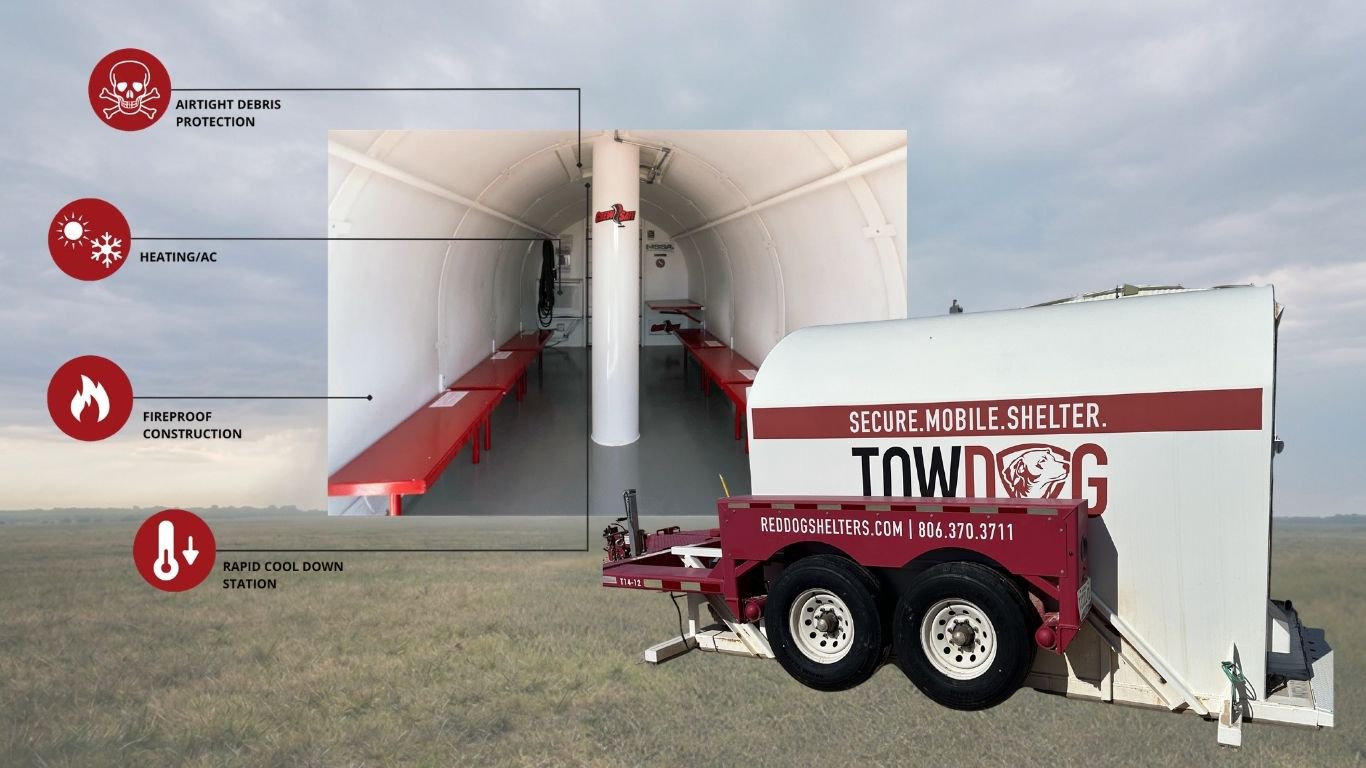
Clearing the Air: Why Storm Shelter Ventilation is a Critical Safety Feature
Surprinsingly, most shelter evaluations skip the need to ensure propoer ventilation entirely. Here’s what that choice looks like when a storm develops fast.
-
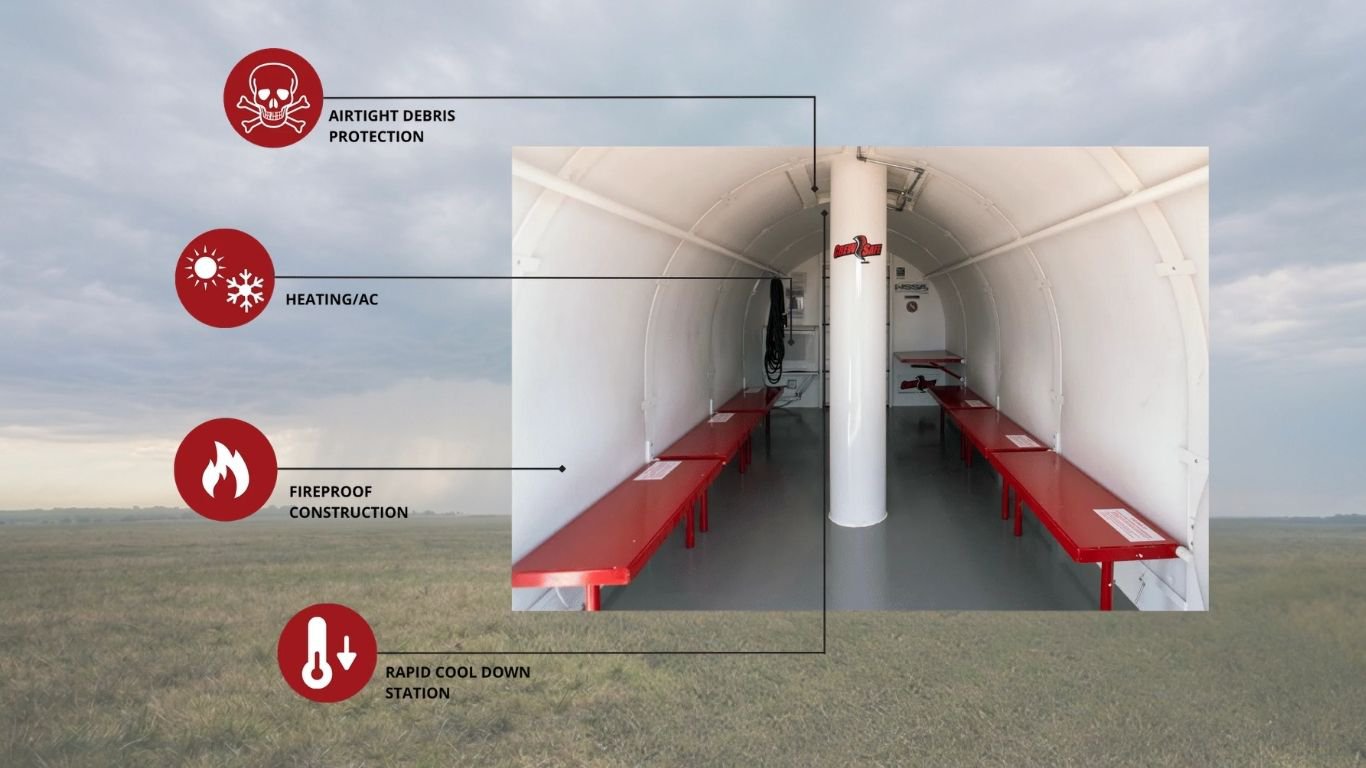
Integrating Comms and Tech: Designing a Custom Storm Shelter as a Command Hub
A shelter that cuts the incident commander off from the crew has failed half its function. Here’s how they compare.
-
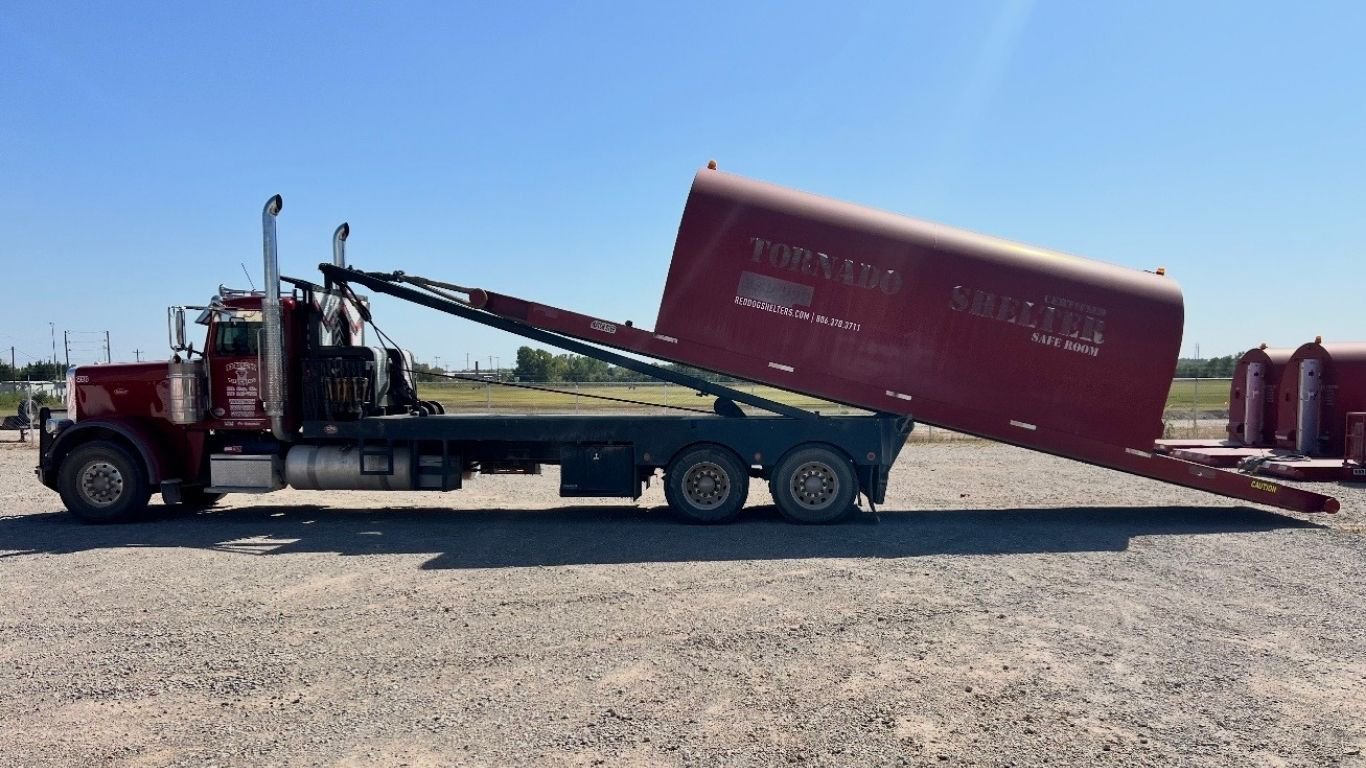
The Logistics of Deploying Community Storm Shelters on Industrial Sites
Certification is the starting point for industrial shelters. Here’s what safety directors need to evaluate before deployment.
-
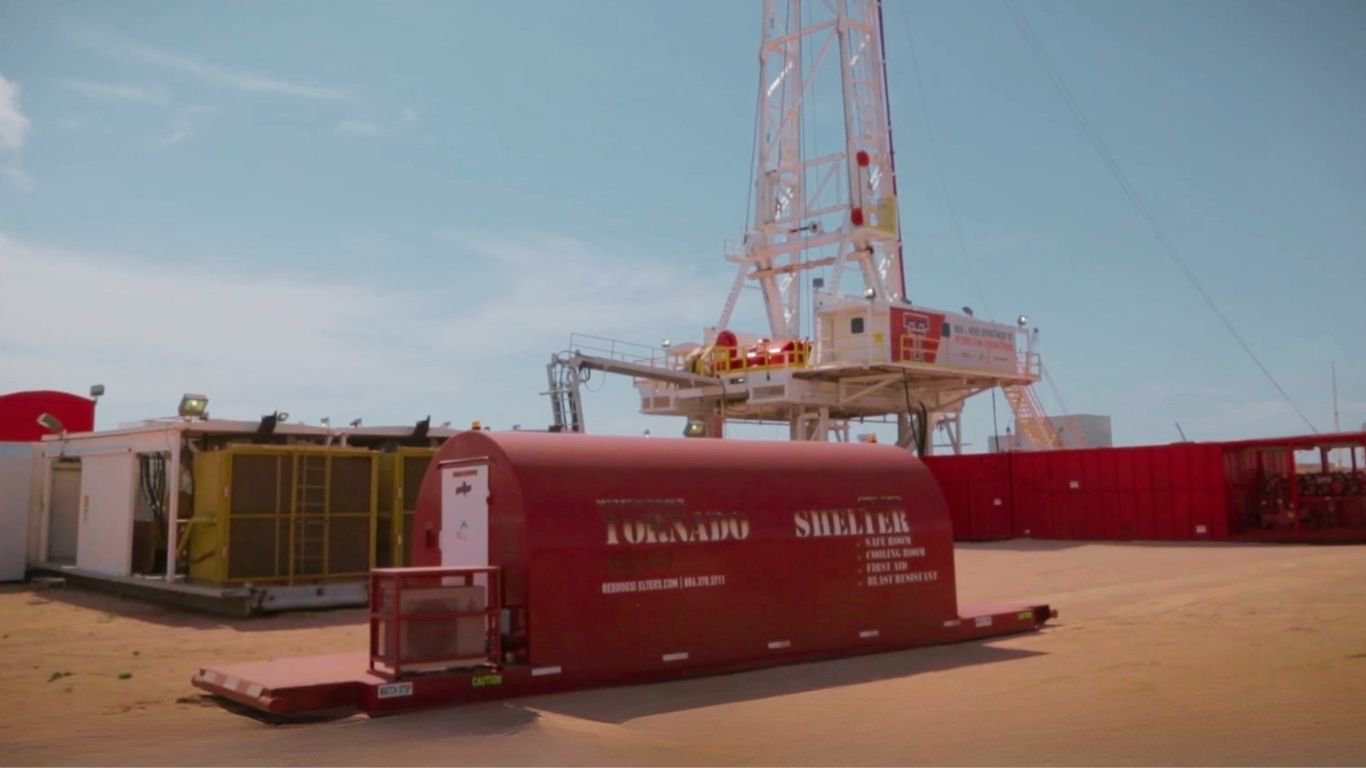
The Agile Safety Plan: Integrating Mobile Storm Protection into Short-Term
Short-term projects face the same severe weather exposure as permanent ones. Here’s what that flexibility is worth on an evolving project.
-
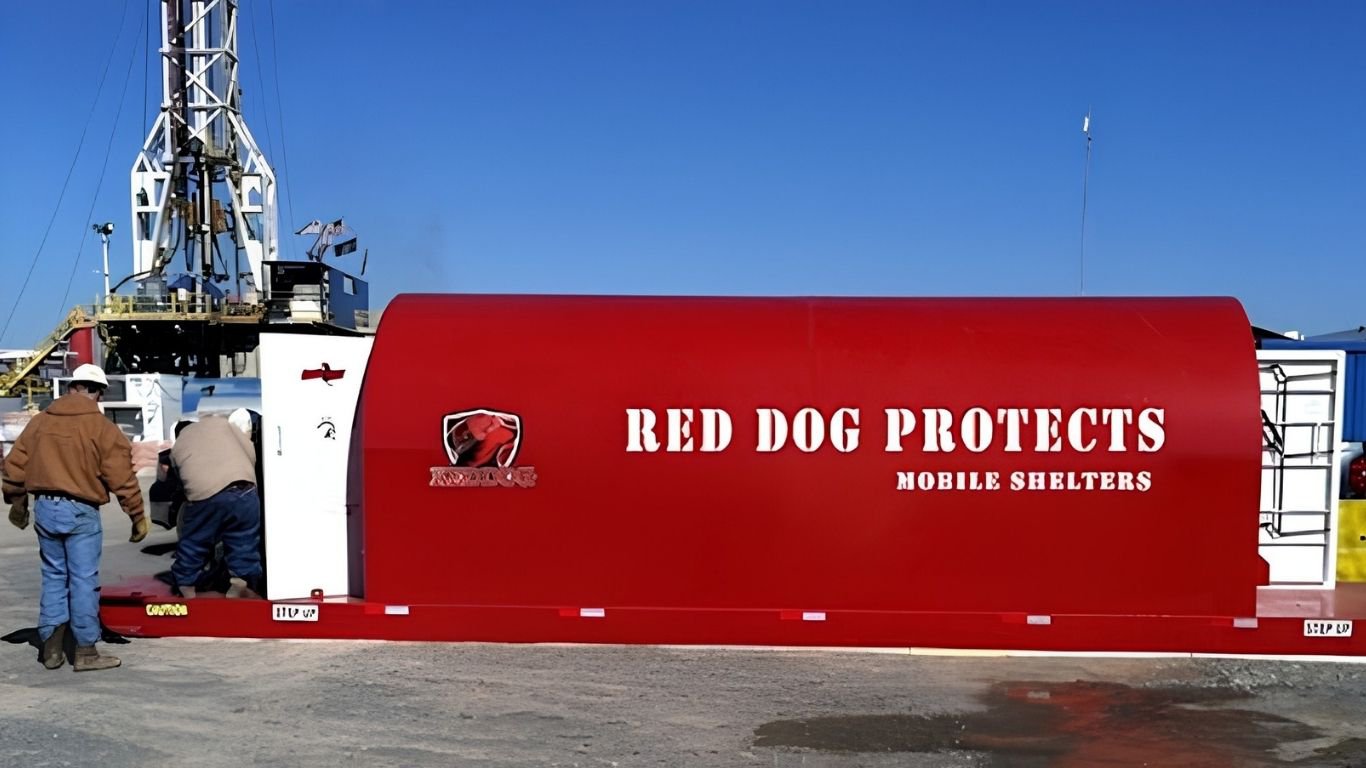
Designing a Community Tornado Shelter for High-Density Construction Zones
High-density sites need more than one shelter near the entrance. Here’s what the engineering behind the design actually means.
-
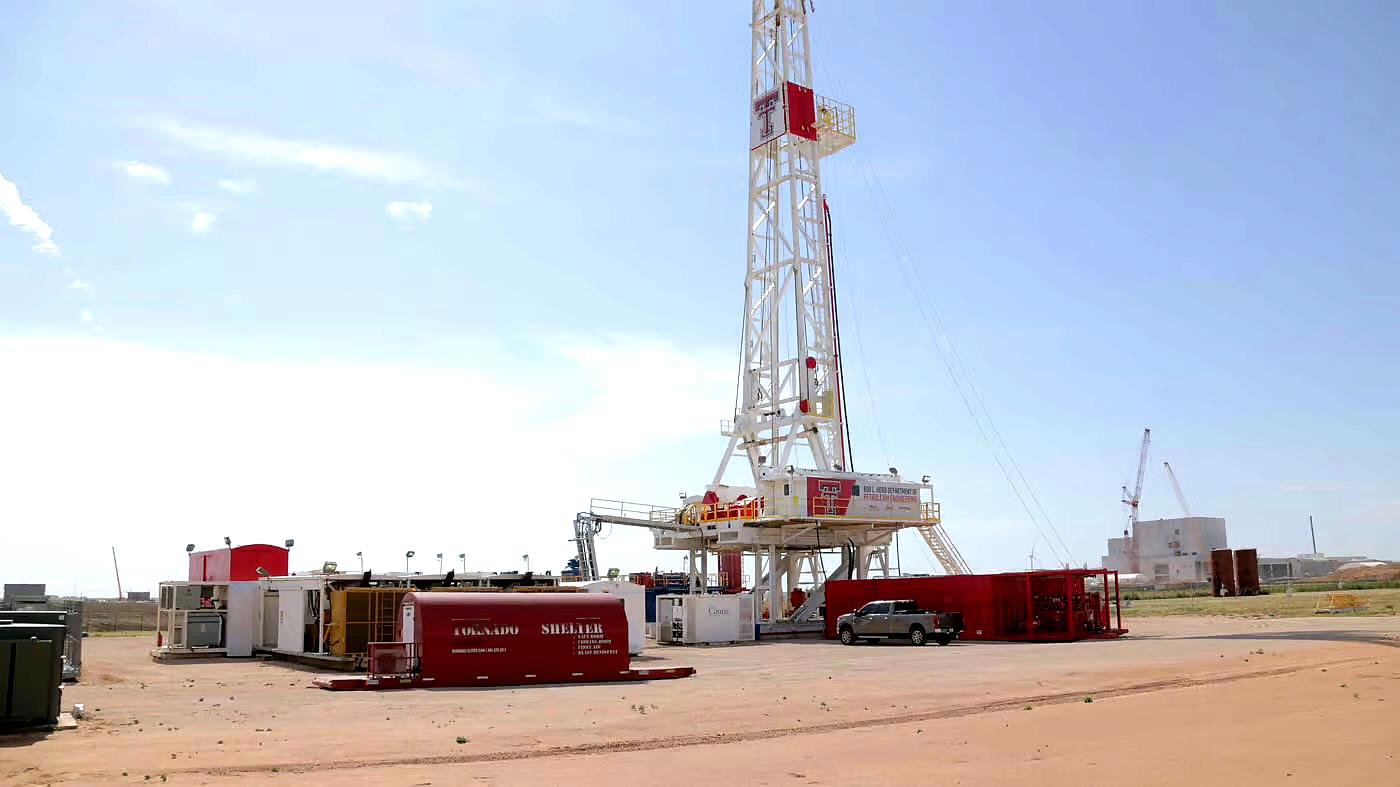
Mitigating Project Delays With Professional Construction Site Weather Protection
Severe weather delays on construction sites are often a planning failure, not just a weather event. This article covers how to build protection infrastructure that keeps crews safe and schedules on track.
-
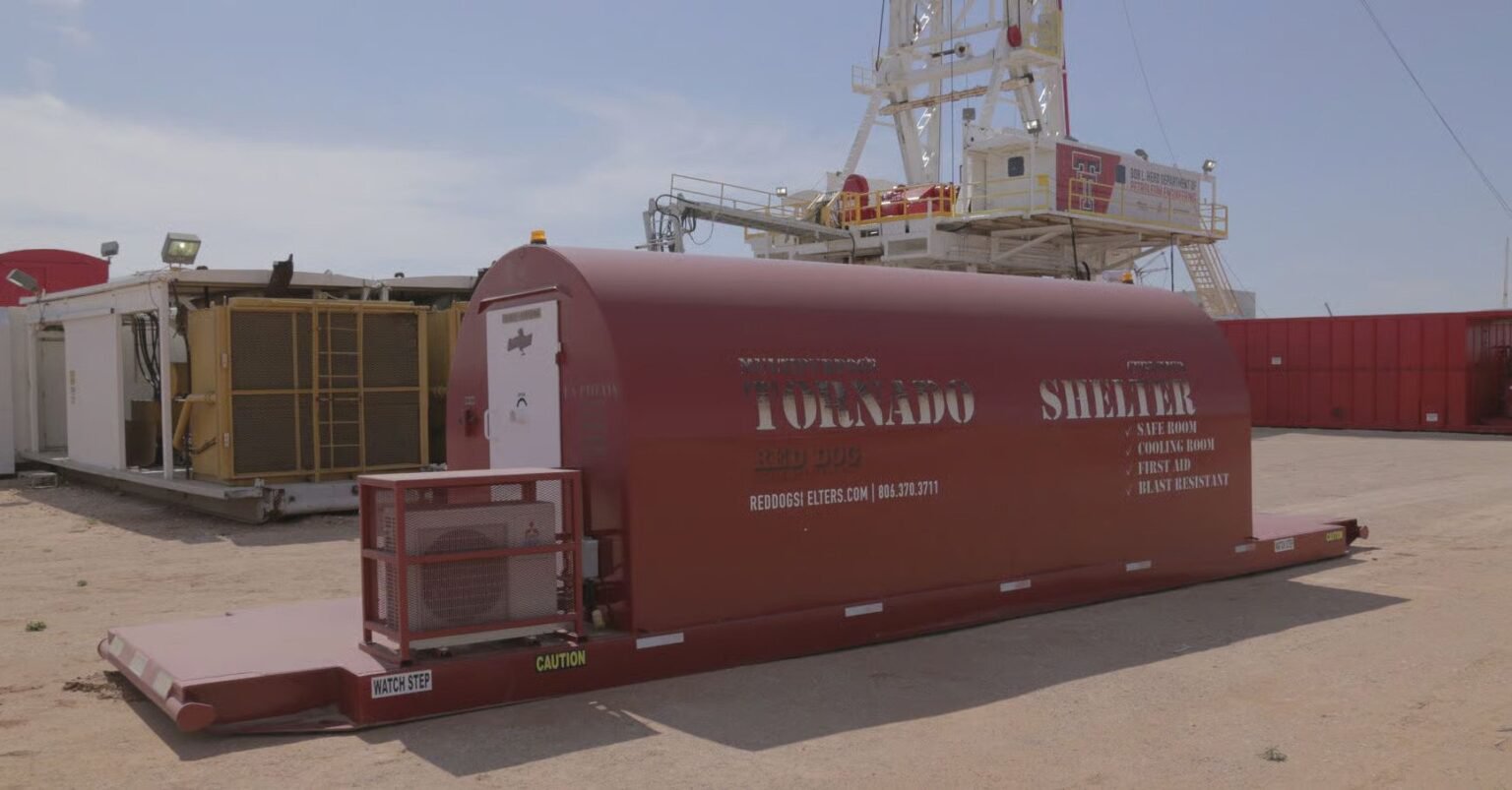
Best Practices for Ensuring Data Center Construction Safety
Data center construction sites combine standard industrial hazards with open-field severe weather exposure. This article covers the key practices project managers and safety directors need to protect crews throughout every phase.