
Author: Ryan Haliburton
-
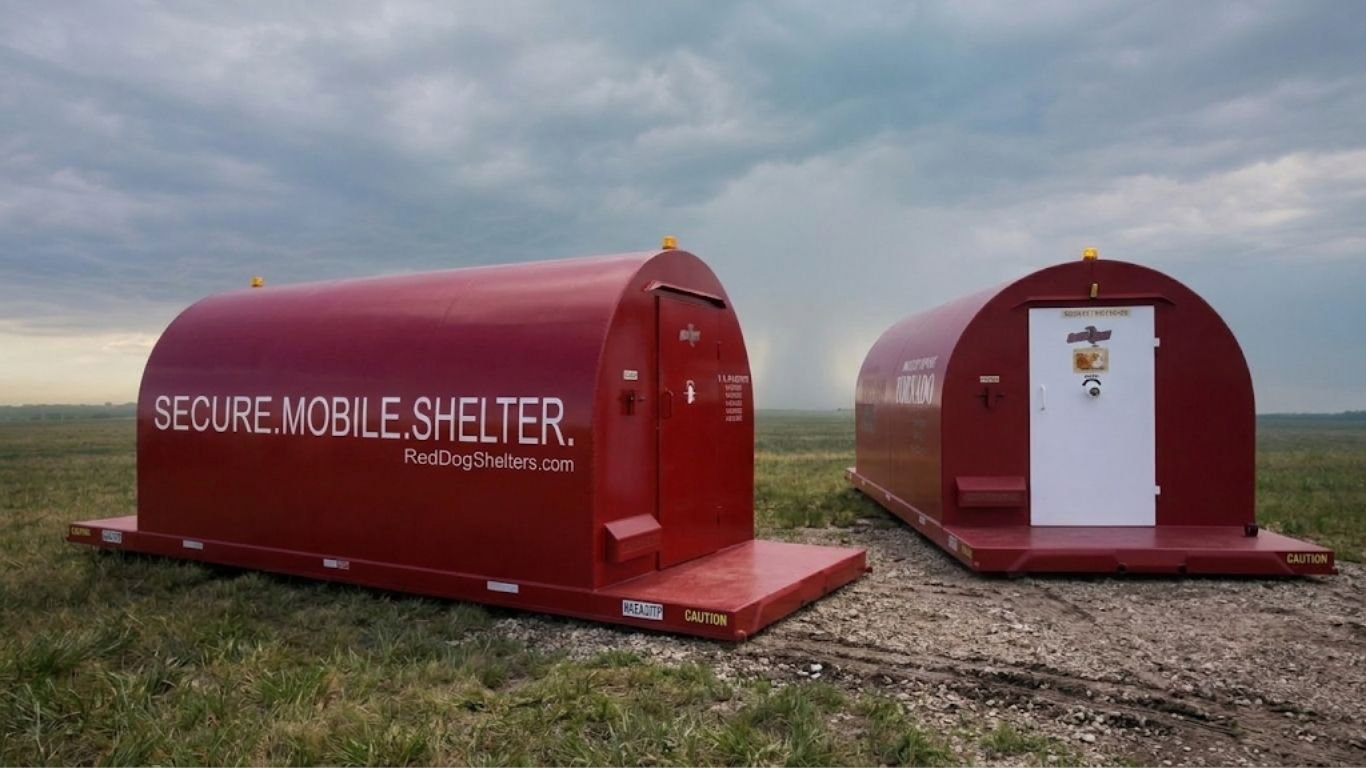
Evaluating Site Hardening Needs During the Site Selection Process
Data center site selection safety planning should include severe weather shelter infrastructure. Know what to evaluate before starting the groundbreaking.
-
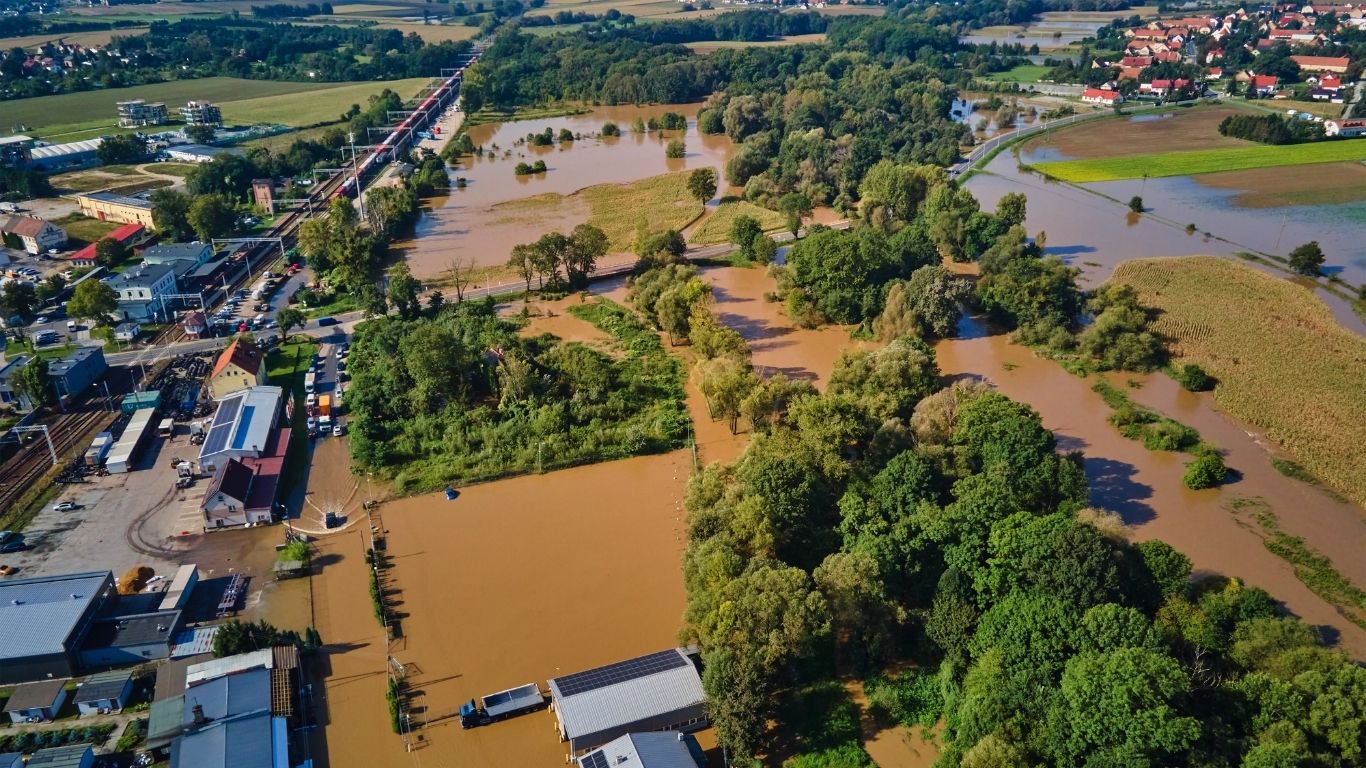
Alternatives to In-Ground Storm Shelters for High-Risk Flood Zones
In flood-prone terrain, in-ground shelters can become traps. Above-ground certified units eliminate the flood hazard by design, with no excavation and no foundation required.
-
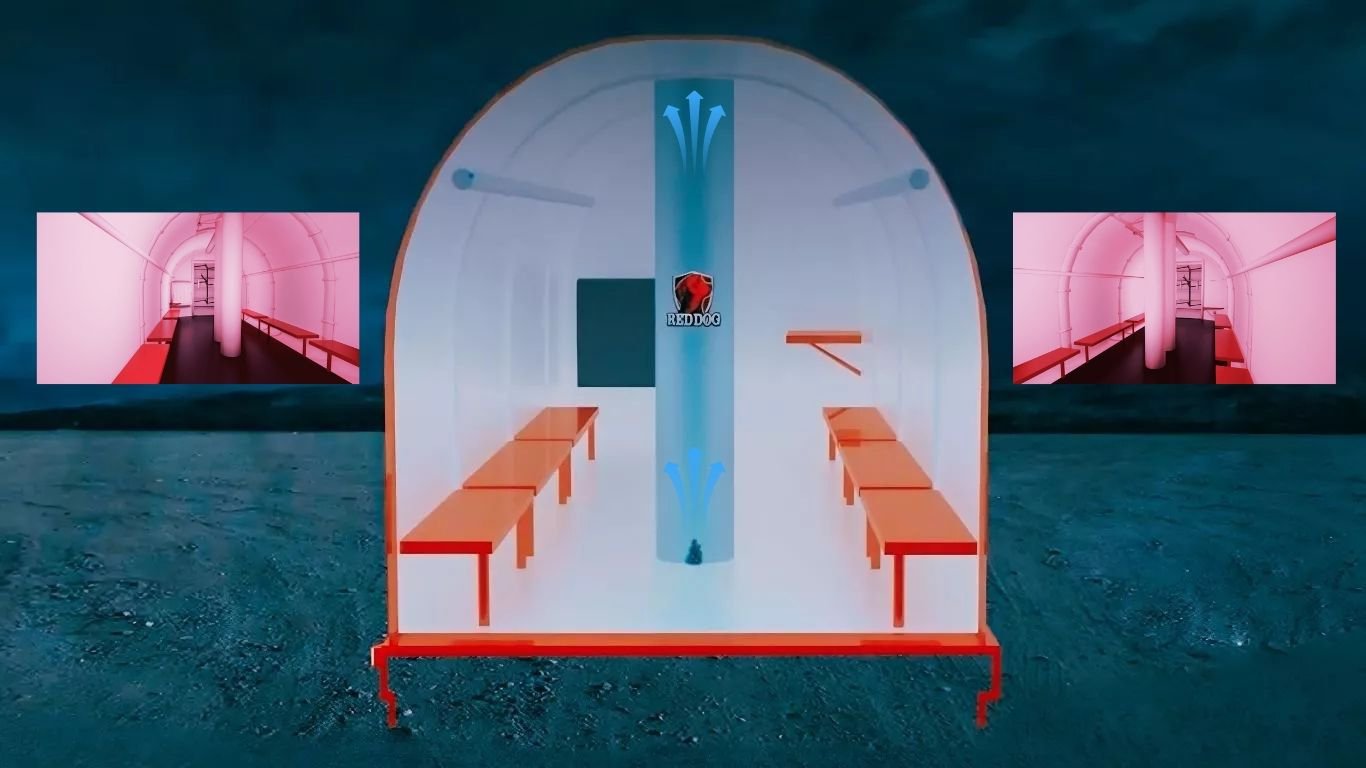
The Science of Airflow: Understanding OSHA-Compliant Shelter Ventilation
A storm shelter’s ventilation design is as regulated as its walls. Here’s what ICC 500 requires and how certified above-ground units deliver compliance without sacrificing debris protection.
-
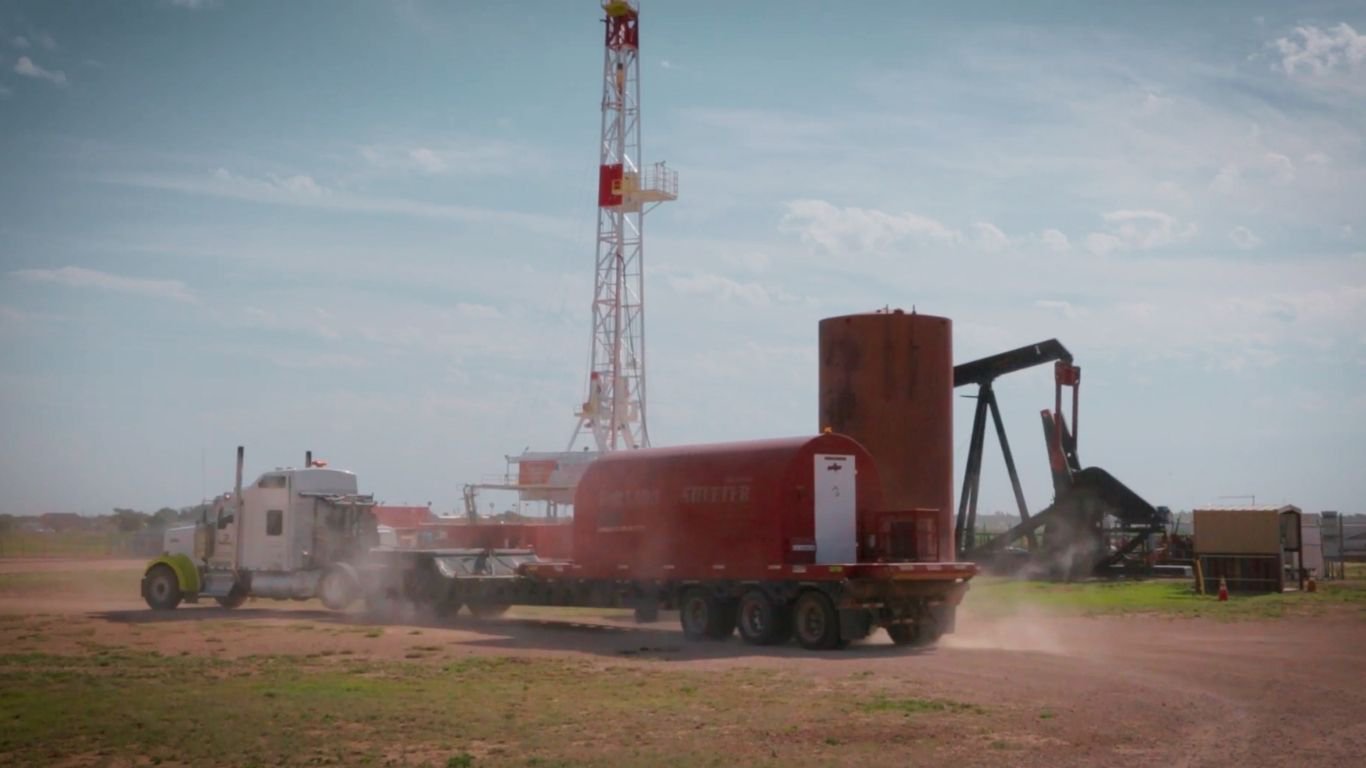
How Modular Infrastructure Solutions Drive Efficiency in Data Center Builds
Data center construction often leaves crews exposed to severe weather in open terrain. Above-ground modular shelters protect them without disrupting the ongoing work.
-

Developing a Robust Plan for Emergency Management for Data Centers
Emergency management for data centers must cover both construction and operational phases. A certified shelter is the basis of the physical response plan.
-

How to Vet a Storm Shelter Manufacturer for Large-Scale Commercial Contract
Choosing a storm shelter manufacturer for a large-scale commercial contract requires more than comparing product specs. Safety leaders should review testing, deployment speed, site flexibility, scalability, and long-term support before making a decision.
-

When Standard Isn’t Enough: Engineering Extreme Storm Shelters for Disaster Zones
Disaster zones need more than standard shelter planning. Extreme storm shelters support severe-weather protection, rapid deployment, flexible placement, and practical crew use when site conditions are unstable.
-
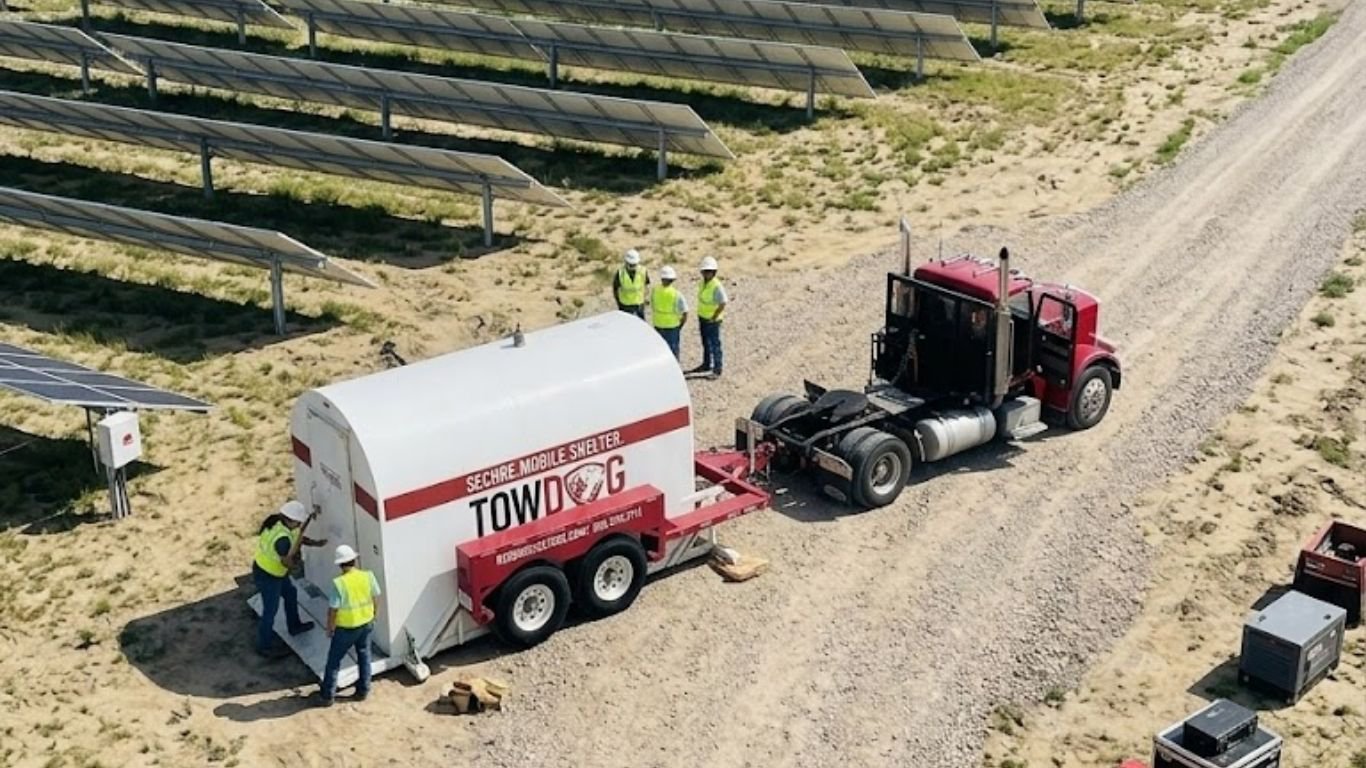
Protecting Solar Energy Crews from Severe Weather in Open Terrain
Solar farm crews often work across wide, open terrain with limited access to permanent shelter. Mobile storm shelters help safety teams reduce travel time, protect exposed workers, and keep severe-weather response practical as construction areas shift.
-
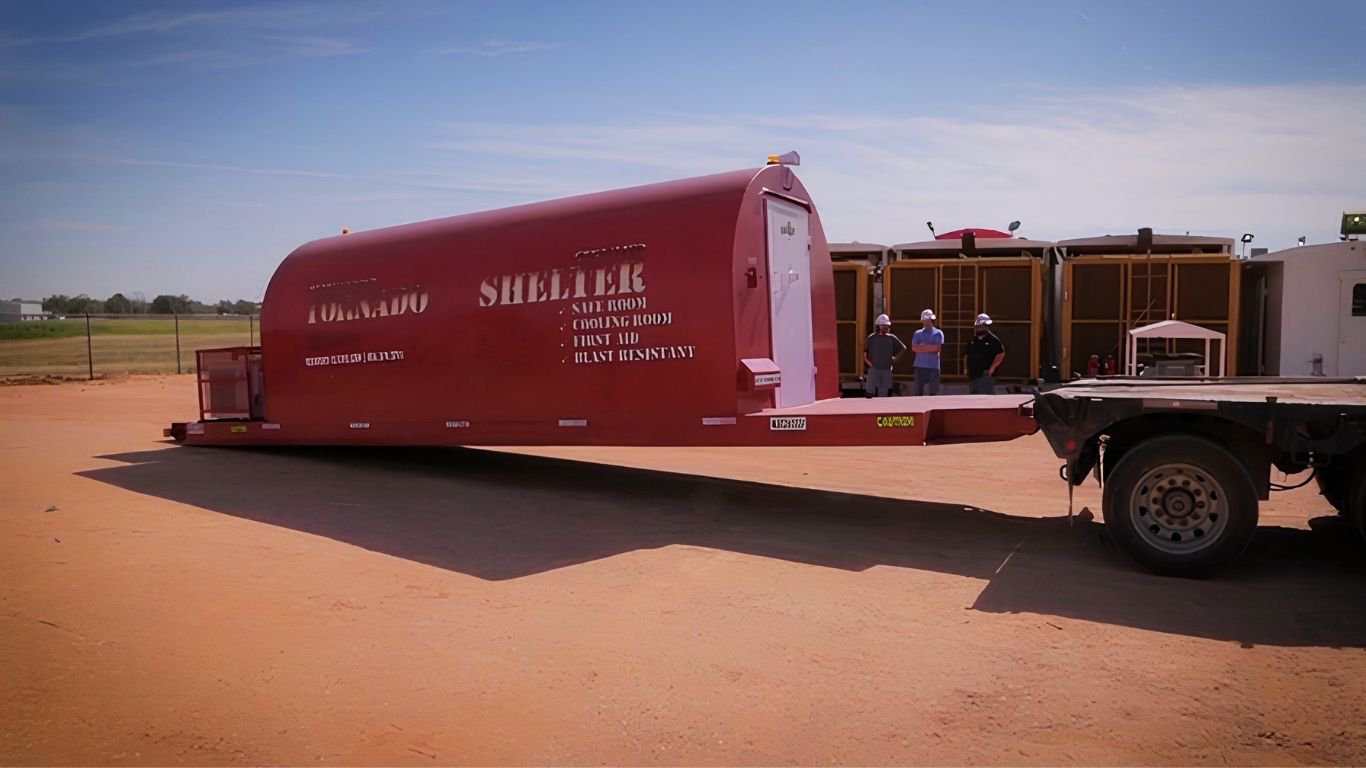
Maintenance-Free Protection: The Benefits of a Storm Shelter Above Ground
A storm shelter above ground can reduce common below-grade maintenance concerns such as drainage, water intrusion, access issues, and foundation work. For industrial and remote sites, above-ground design keeps severe-weather protection visible, accessible, and easier to manage over time.
-
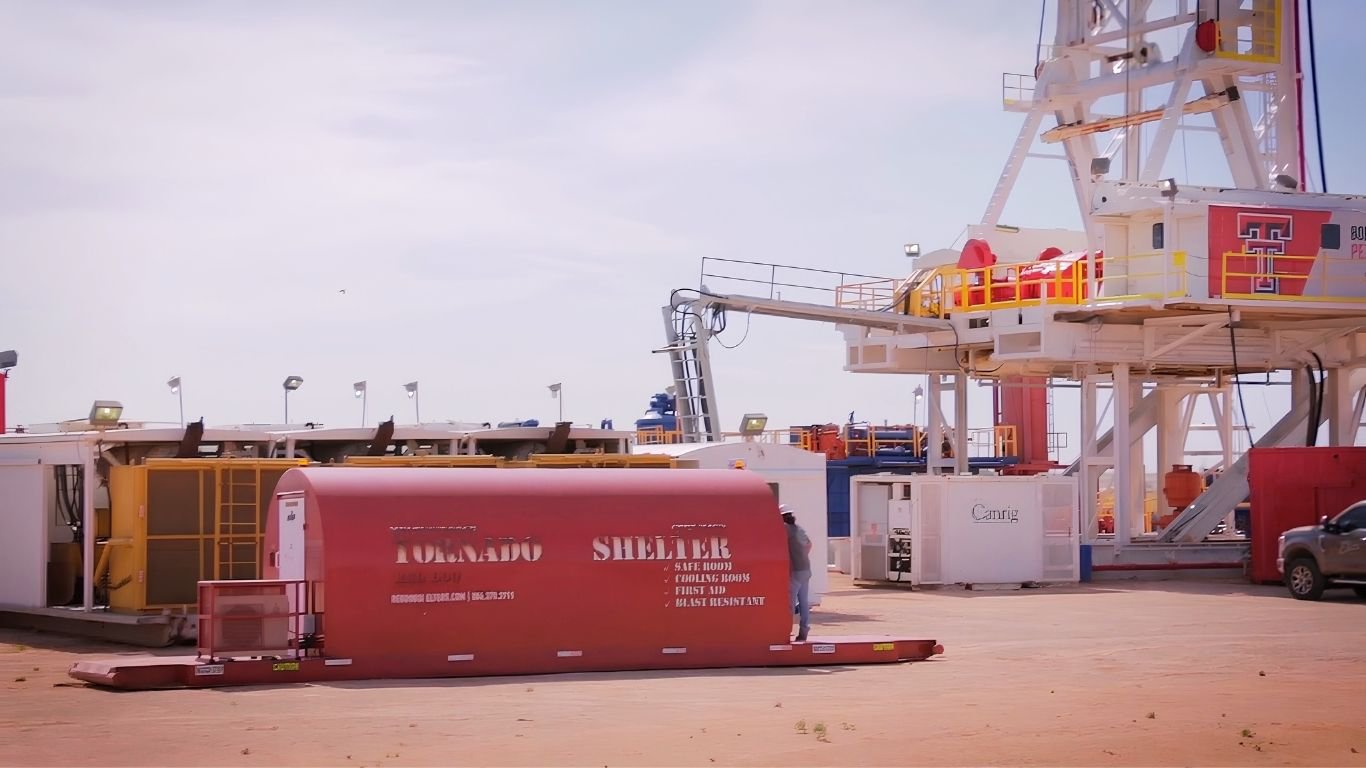
How Rapidly Deployable Shelters Improve Safety in the Energy Sector
Energy-sector crews often work in remote, exposed locations where severe weather can develop quickly. Oil rig storm shelters help safety teams place protection closer to crews, support changing site needs, and improve emergency readiness without foundation work or mechanical anchoring.