
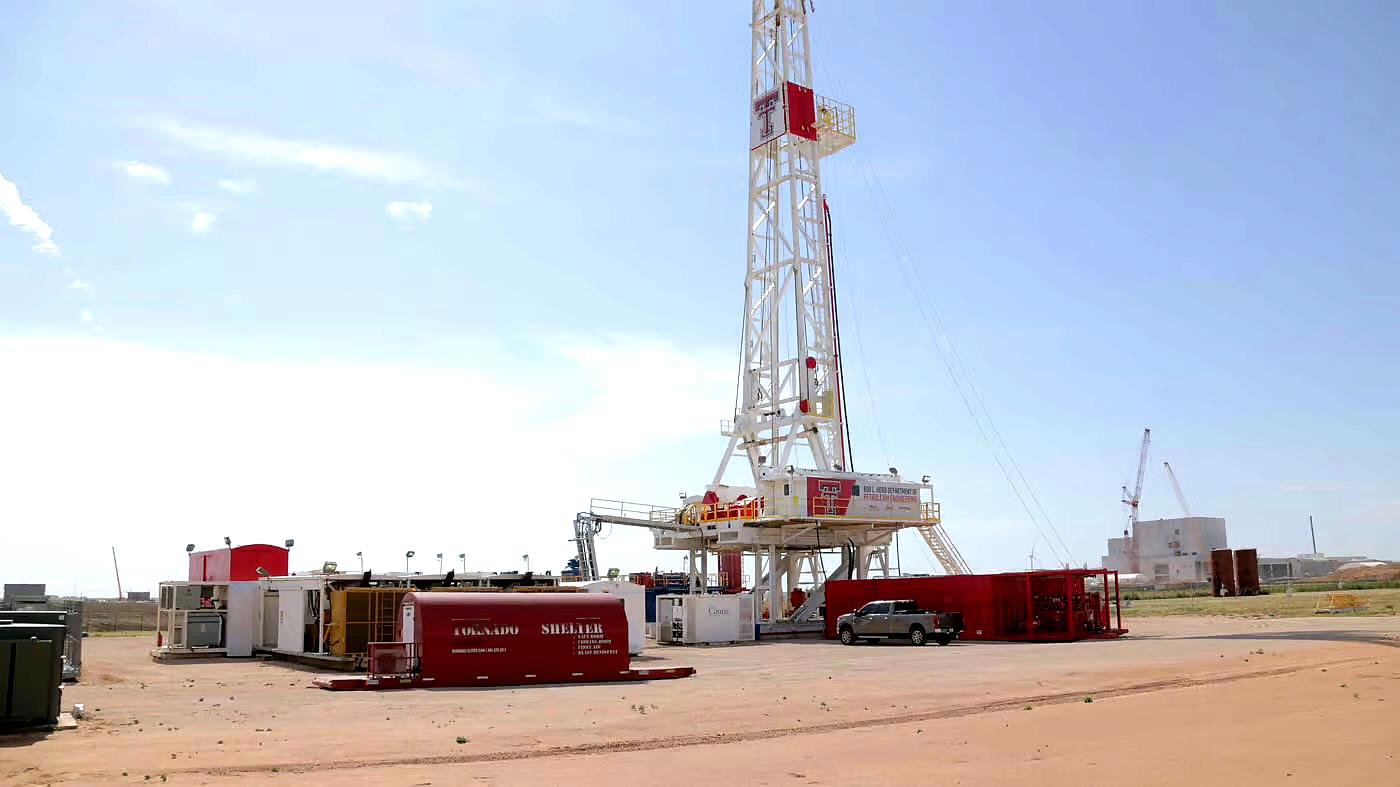
Severe weather does not wait for a convenient break in the schedule. For project managers and safety directors overseeing outdoor crews, an unplanned storm response can cascade quickly into lost hours, compliance questions, and crew risk. The difference between a brief delay and a serious setback often comes down to how well construction site weather protection was built into the project plan from day one.
This is not a niche concern. Tornado-prone regions across the central and southern United States host billions of dollars in active construction at any given time, and the window between a watch and a warning can be dangerously short.
Why Construction Site Weather Protection Gaps Drive Project Delays
Most storm-related project delays are not caused by the storm itself. They are caused by gaps in the protection plan that force crews to stop working, scatter, or shelter in inadequate structures well before conditions become critical.
Common planning failures that amplify weather delays include:
- No designated shelter near active work zones, requiring a long walk or vehicle evacuation
- Shelter capacity that does not match peak crew headcount
- Fixed shelter placement that becomes inaccessible as the site layout changes
- Relying on site trailers or vehicles that offer no real tornado protection
Each of these problems has a direct operational cost. When crews cannot shelter quickly and safely, work stoppages become longer and less predictable. When shelter infrastructure is not certified to recognized standards like FEMA 361 or ICC 500, compliance exposure compounds the problem.
Response Time is a Site Design Issue
Construction sites are dynamic environments. Work zones shift. Staging areas move. The crew access point that made sense in month two may be a long walk from active operations in month six.
Shelter placement needs to reflect where crews actually are, not where they were when the project started. A shelter positioned 800 feet from active work is a meaningfully different safety asset than one positioned 150 feet away. When a tornado warning is issued, those extra yards can translate directly into who reaches safety in time.
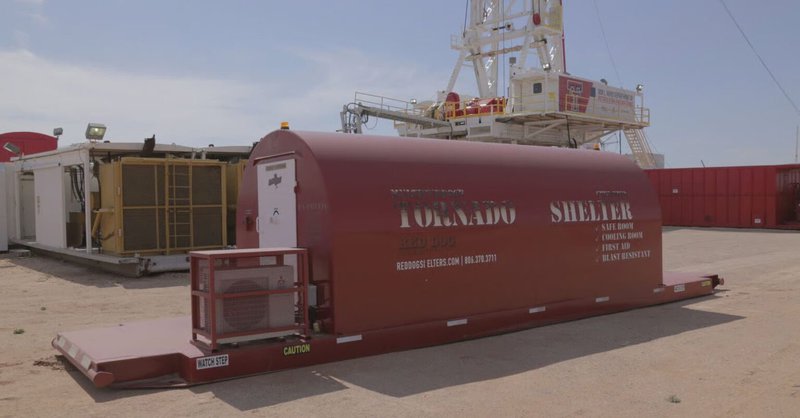
Above-ground mobile shelters solve this problem in a way that fixed or underground alternatives cannot. Units can be repositioned as site conditions evolve, keeping protection close to the work rather than anchored to one location. Above-ground units can be moved with a winch truck as project layouts change, without breaking ground or rebuilding infrastructure.
Scaling Protection to Match Workforce Changes
Large construction projects typically see their highest headcount during the active build phase. Worker populations can climb into the hundreds or higher during peak periods, then taper significantly as the project moves toward completion.
Shelter strategy needs to account for this fluctuation. Buying or committing to a fixed installation sized for peak occupancy may leave a project over-protected and under-efficient during later phases. Renting or leasing multiple units during high-headcount periods, then scaling back, aligns shelter capacity with actual crew size.
This is one of the stronger operational arguments for leased above-ground shelter solutions. Whether to purchase or rent a shelter for your construction timeline depends on project length, crew size, and how frequently the site layout changes. Units can be added as the crew grows and returned when the project winds down.
The same logic applies to multi-unit deployment. Distributing several shelters across a large site rather than concentrating capacity in one location shortens the access distance for all crews and reduces the bottleneck when a storm warning is issued.
What Certified Construction Site Weather Protection Actually Requires
Not all shelter options carry the same standards of compliance. Project managers comparing options should evaluate each against recognized performance benchmarks:
- FEMA 361 and 320 set federal guidelines for safe room design and performance
- ICC 500 defines construction and performance standards for storm shelters
- NSSA certification adds an independent verification layer from the National Storm Shelter Association
Structures that are not certified to these standards introduce liability exposure and may not satisfy EHS documentation requirements. This is especially relevant for sites operating under federal contracts or in jurisdictions with formal shelter requirements.
Above-ground shelters built to these standards offer the same protection threshold as in-ground alternatives without the excavation burden. Given that most construction sites cannot easily accommodate underground installation across changing terrain, this is a meaningful practical advantage. In-ground shelters present real logistical challenges on temporary lease sites, particularly where excavation is time-consuming or not feasible.
Beyond Tornado Protection: Multi-Purpose Value on the Job Site
Certified storm shelters do not have to sit idle between weather events. Above-ground units serve additional operational functions that add daily value to any active site:
- Muster points for emergency headcounts and crew accountability
- Faraday cage protection during lightning events, reducing crew exposure during electrical storms
- Cool-down and warm-up stations during heat emergencies or cold weather
- Meeting and briefing space when a quiet, weatherproof area is needed near active work
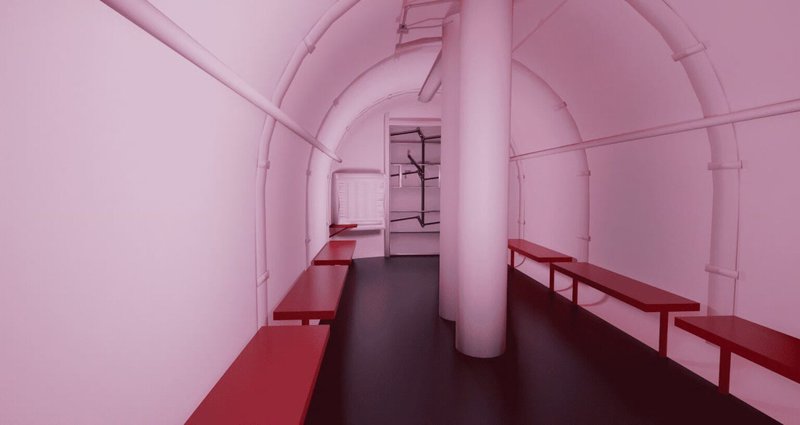
This multi-purpose use shifts the shelter from a single-event safety asset to an ongoing site resource. On large projects with extended timelines, that distinction matters for both budget justification and daily crew operations.
Protect Your Crews, Protect Your Schedule
Severe weather will affect construction timelines. The question is whether the response is controlled or chaotic. Professional construction site weather protection, planned correctly and positioned well, converts a potential crisis into a brief, organized pause.
Red Dog Shelters builds above-ground tornado shelters designed specifically for the realities of construction and industrial sites: fast deployment without mechanical anchoring or foundation work, scalable capacity across project phases, and certified performance that meets FEMA and ICC 500 standards. Units can be repositioned as sites evolve and leased for the duration of the project rather than purchased outright.
If your project is entering an active construction phase in a severe weather region, now is the right time to evaluate your shelter plan. Contact Red Dog Shelters to discuss your site layout, crew size, and protection requirements.