
Author: Ryan Haliburton
-

Implementing Scalable Remote Workforce Safety Solutions in High-Risk Zones
High-risk zones need safety plans that can adjust as crews, site layouts, and weather exposure change. Scalable remote workforce safety solutions help companies protect field teams with flexible shelter coverage, clearer response planning, and practical refuge points near exposed work areas.
-

Engineering Mobility: How We Built One of the Toughest Mobile Shelters in the Industry
Building a tough mobile shelter takes more than adding wheels to a steel structure. Red Dog’s design combines heavy-duty construction, aerodynamic anchoring, rapid placement, and field-ready interior features to support crews in demanding jobsite conditions.
-
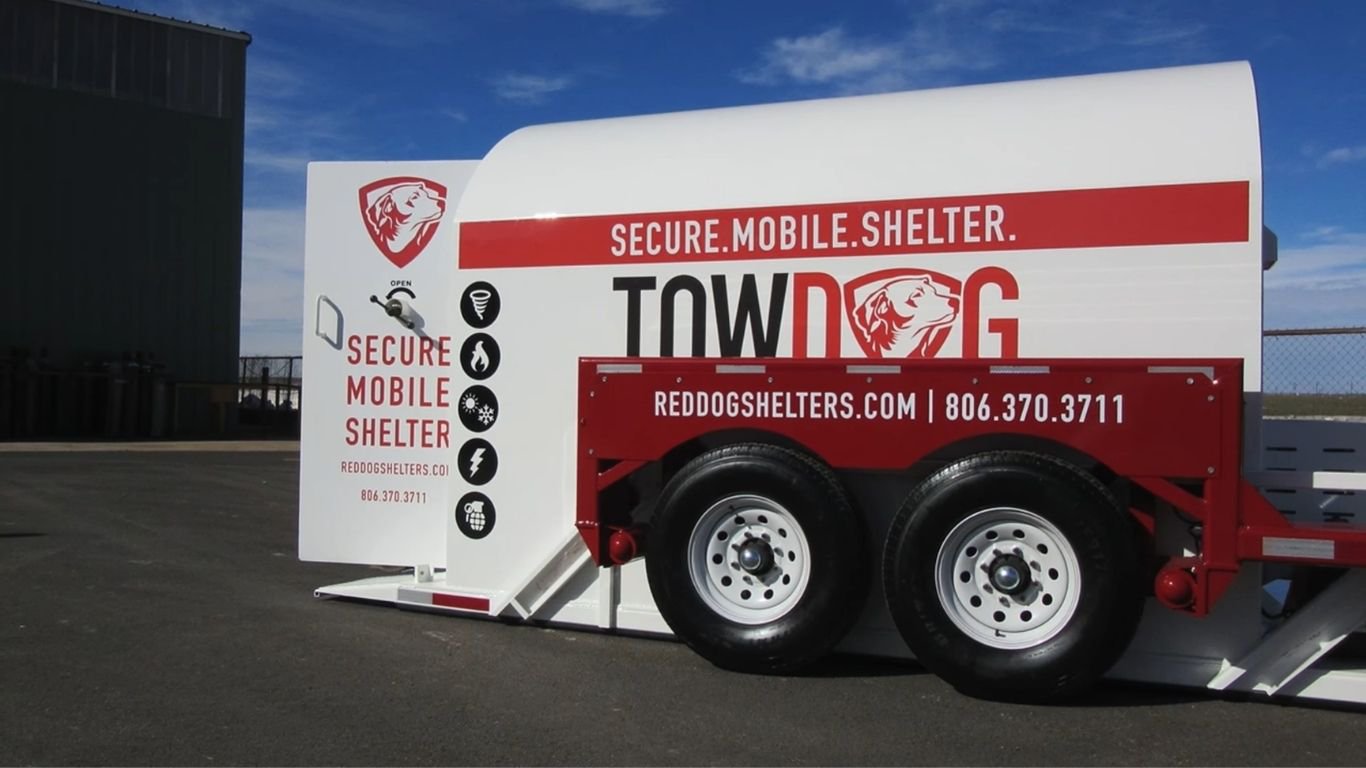
Why an Above-Ground Shelter is the Smart Choice for Disaster Relief Agencies
Disaster relief agencies need shelter options that can support fast-changing response sites, responder safety, and emergency coordination. An above-ground shelter helps reduce setup delays, improve access, and provide practical protection where crews need it most.
-
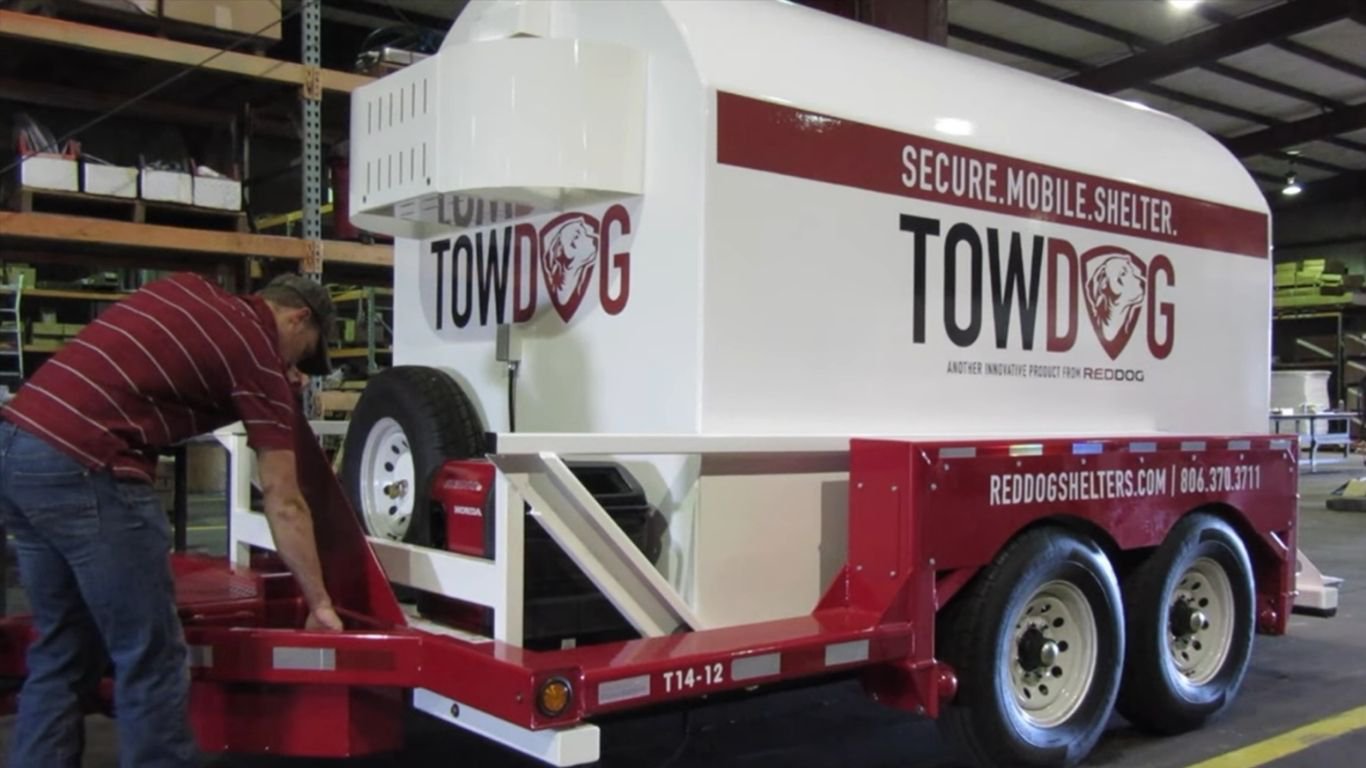
Portable Storm Shelters: Ensuring Crew Safety Without Concrete Foundations
Portable storm shelters can help industrial and remote teams protect crews without waiting on concrete foundations, excavation, or mechanical anchoring. Foundation-free shelter planning gives safety leaders a faster, more flexible path to severe-weather readiness.
-
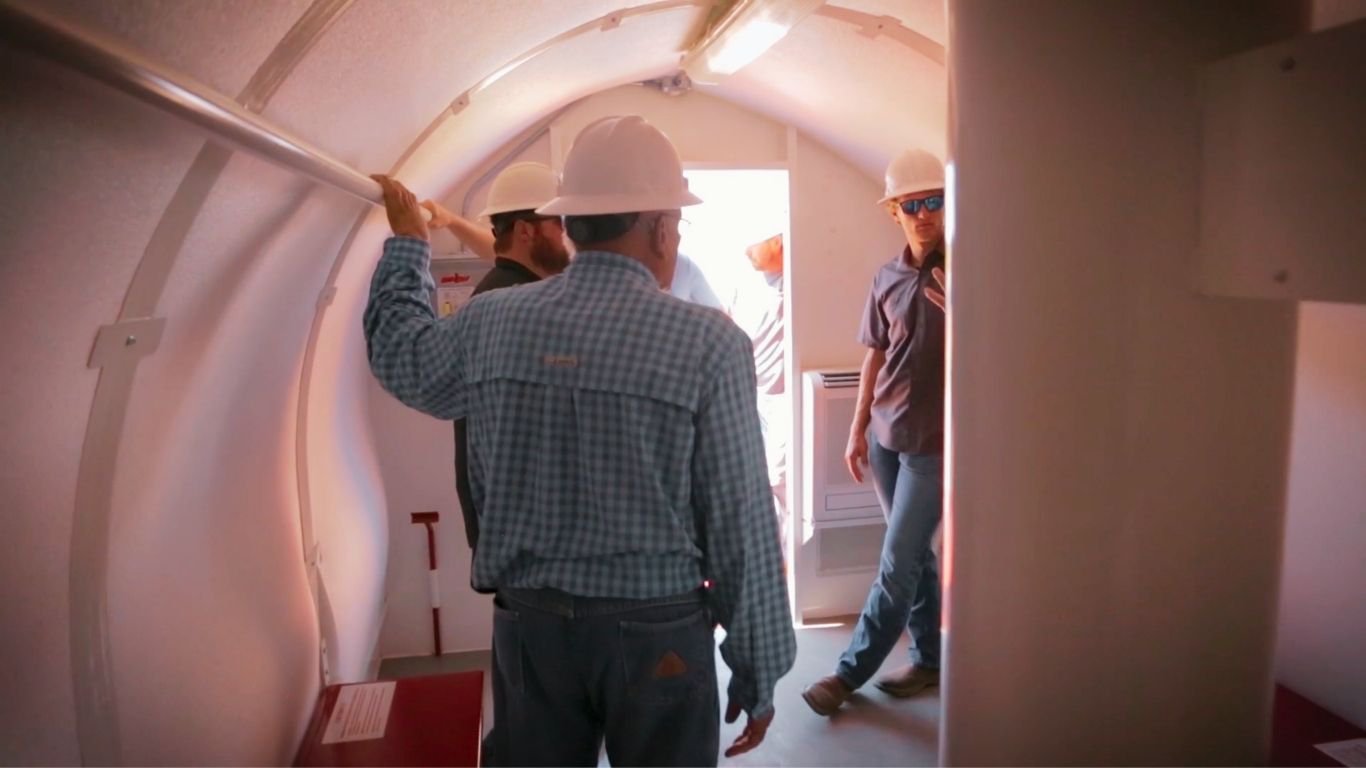
Tailored Protection: When Your Project Requires a More Custom Storm Shelter Solution
Some projects need more than a standard shelter placement plan. A custom storm shelter approach can help teams address complex site layouts, changing workforce needs, emergency response goals, and severe-weather risks without forcing the project into a one-size-fits-all solution.
-
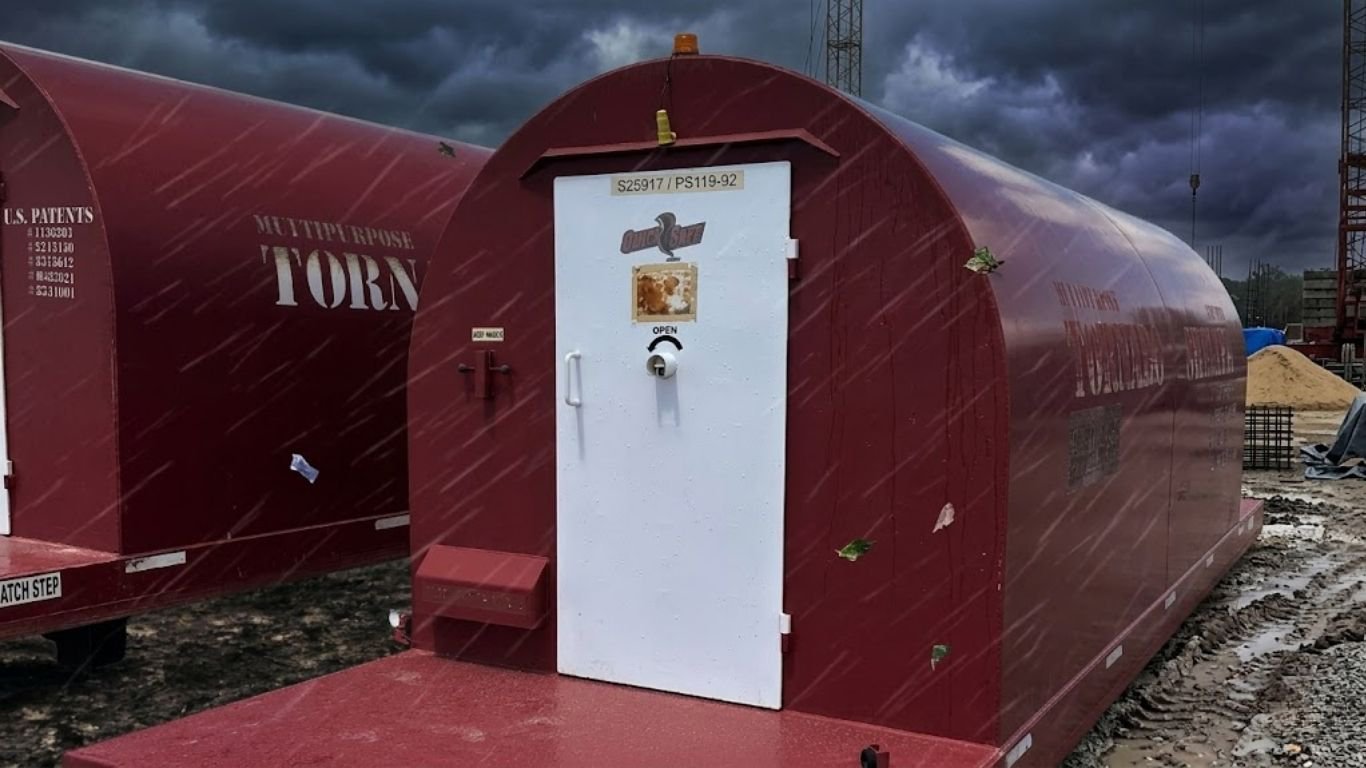
Why Disaster-Ready Shelters Are Essential to Data Center Resilience Strategies
Data center resilience depends on more than backup power, cooling, and network continuity. Disaster-ready shelters help protect essential personnel during severe weather, support emergency response, and keep critical facilities prepared when conditions change quickly.
-
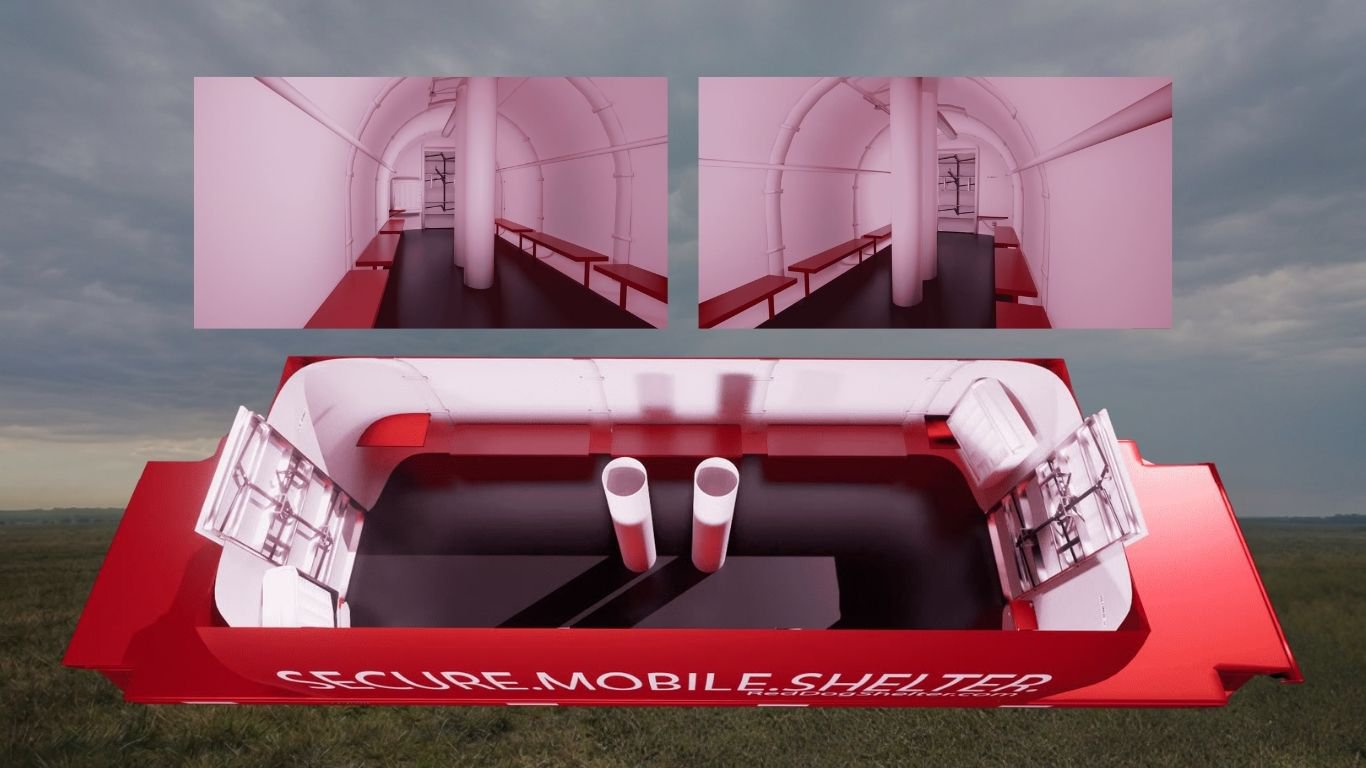
FEMA-Rated vs. Standard: What Makes a True Tornado Shelter?
FEMA-rated tornado shelters meet independently verified wind, debris, and structural standards that standard metal enclosures don’t. Here’s what the certification gap means on a working job site.
-
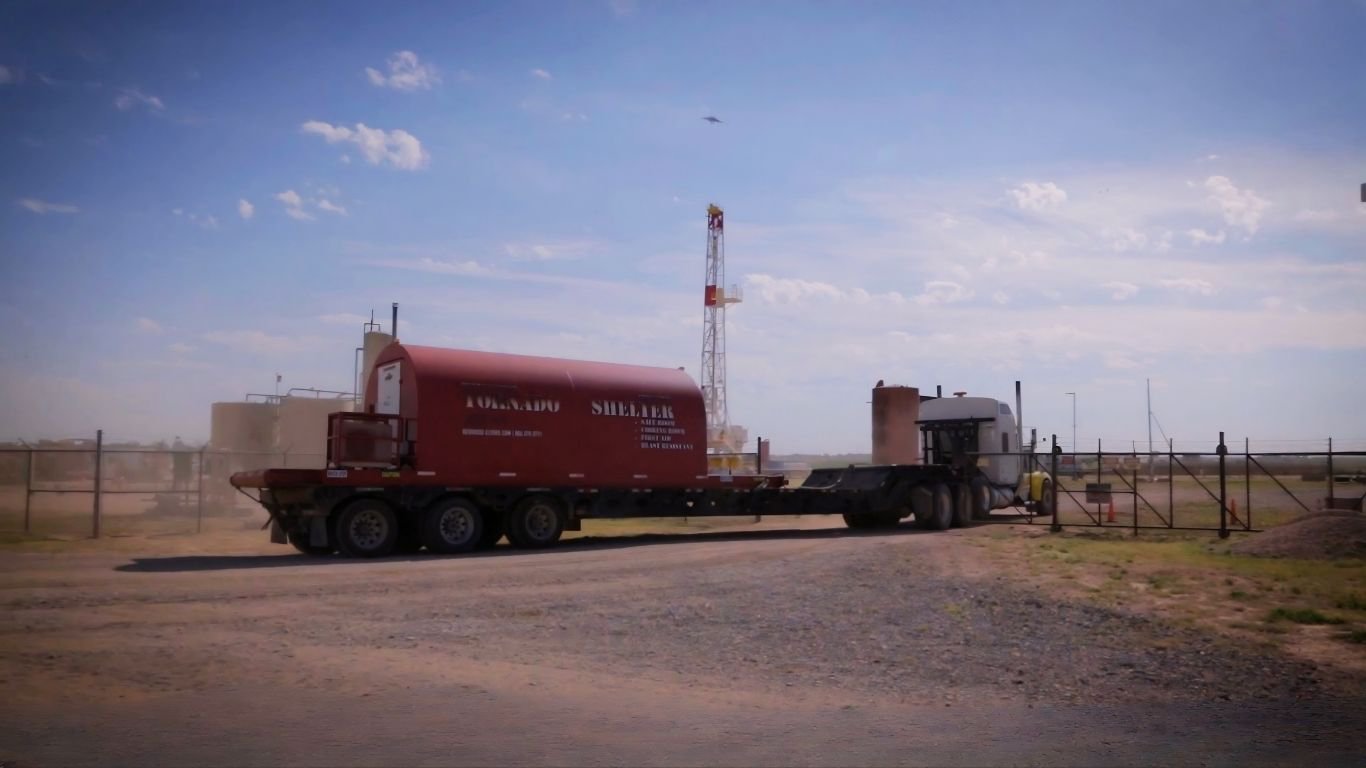
The Role of Mobile Shelters in Data Center Infrastructure Management
Most DCIM plans stop at the finished facility. Here’s what site managers need to know before the next storm season.
-
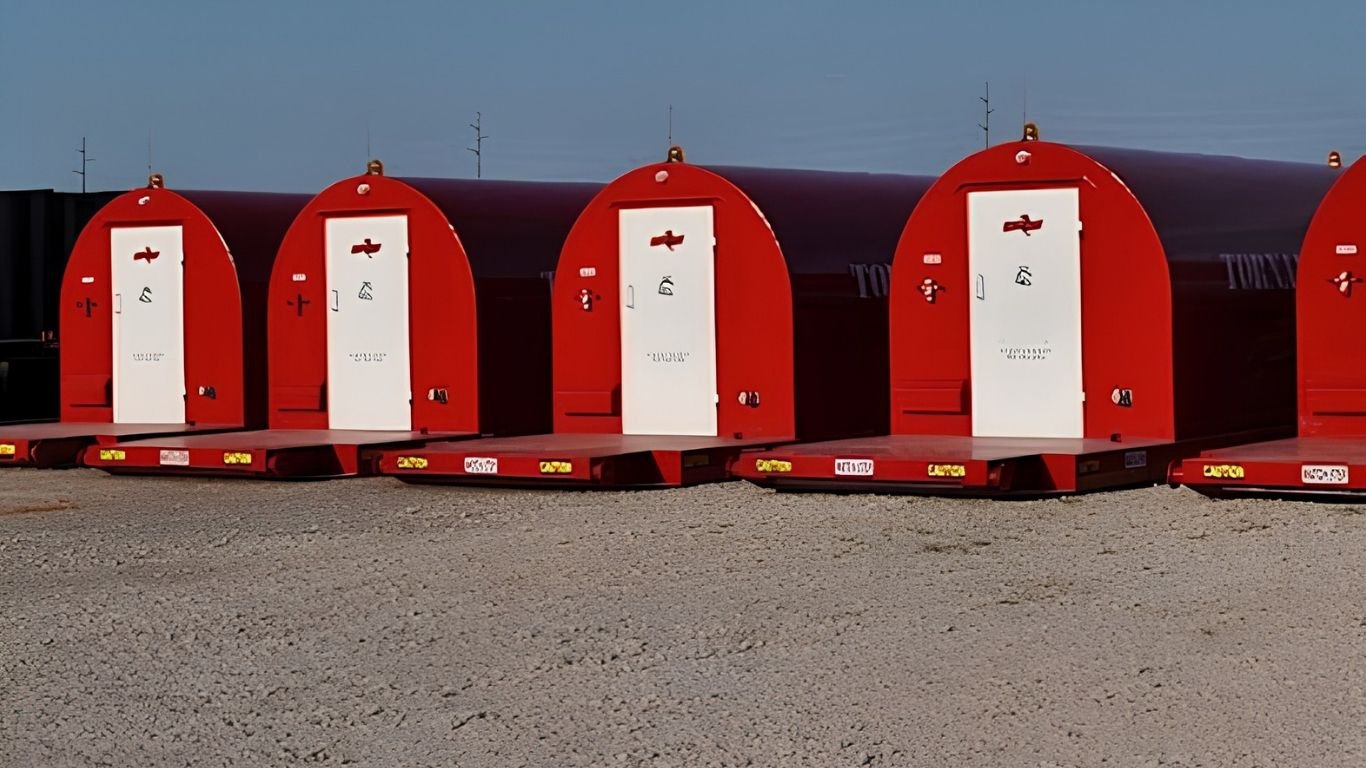
Why Your Facility Needs Industrial Grade Commercial Storm Shelters
Most industrial facilities protect crews with structures never independently tested. Here’s what the data actually shows.
-
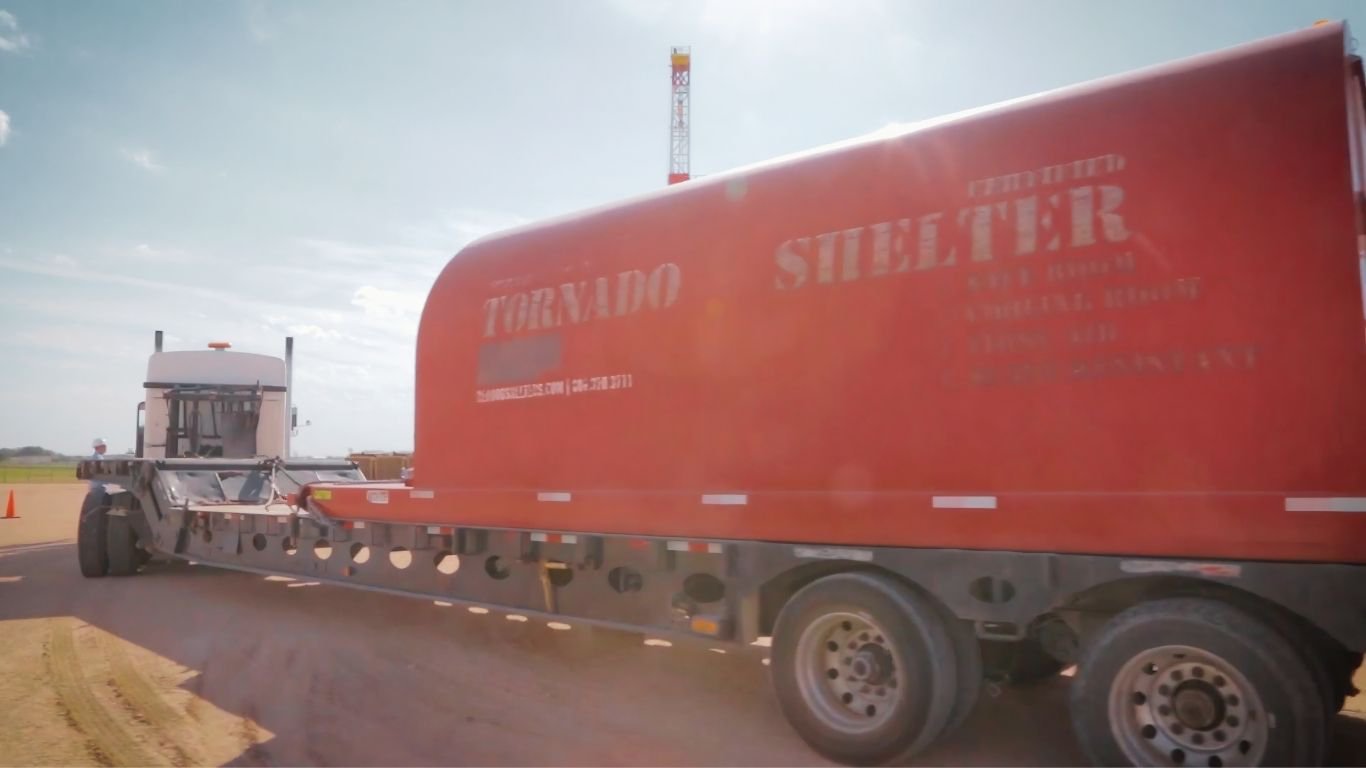
Protecting Off-Grid Workforces With Remote Job Site Shelters
Off-grid crews face the same severe weather exposure as permanent facilities but without the infrastructure. Learn what remote job site shelters need.