

High-risk zones rarely give safety teams simple conditions. Crews may work across remote terrain, temporary access roads, exposed equipment areas, or places with limited refuge. When conditions change quickly, remote workforce safety solutions need to cover more than one location or crew size.
Scalable planning helps safety leaders prepare for what actually happens in the field. Headcount changes, contractors rotate in, weather risks shift, and work areas move as the project develops. A stronger safety plan gives remote teams clear protection points that can adjust with the operation instead of staying tied to a layout that may not fit the next phase.
Start With a Zone-Based Risk Map for Remote Teams
A scalable safety plan should begin by mapping where risk is highest across the work area. A zone-based map helps safety leaders see coverage gaps before weather or site emergencies create pressure. Remote teams may be spread across access roads, utility corridors, laydown areas, equipment zones, and exposed field locations.
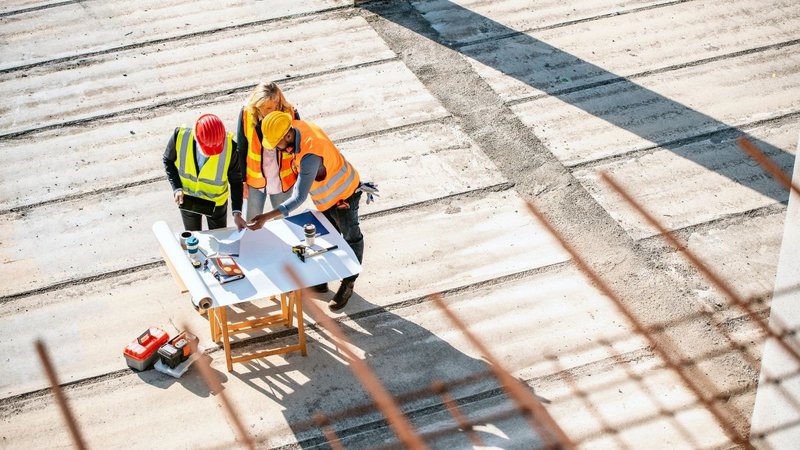
The map should show crew locations, travel routes, weather exposure, communication gaps, and the nearest refuge point. With that field-level view, companies can build remote workforce safety solutions around where workers need protection most.
Remote Workforce Safety Solutions Should Scale With Exposure
Not every remote work zone carries the same level of risk at the same time. A small maintenance crew may need one level of shelter coverage, while a larger construction phase or utility repair effort may require more protection across several active areas.
As work expands or contracts, remote workforce safety solutions should adjust without forcing teams into a full reset. Mobile shelter coverage can increase when headcount grows, shift when crews move, and reduce when the project begins to wind down.
Build Mobility Into the Safety Plan Before Conditions Change
Mobility should be part of the safety plan before the site layout changes. If teams wait until crews have already moved to a new zone, the shelter plan can lag behind the risk.
Safety leaders should know which areas may need protection next and how teams will move shelter units when work shifts. Planning helps teams avoid treating shelter movement as a last-minute emergency adjustment.
Equipment, access routes, and relocation support matter during this planning stage. Equipped teams may be able to move shelters themselves, while Red Dog can also send a winch truck when a unit needs to be repositioned as the operation evolves.
Make Shelter Access Part of Daily Field Protocols
Remote crews need more than a shelter location on a site map. They need to know where to go, how to get there, and who confirms headcount when conditions change. Shelter access should be part of shift briefings, site orientations, radio procedures, and supervisor check-ins before weather becomes urgent.
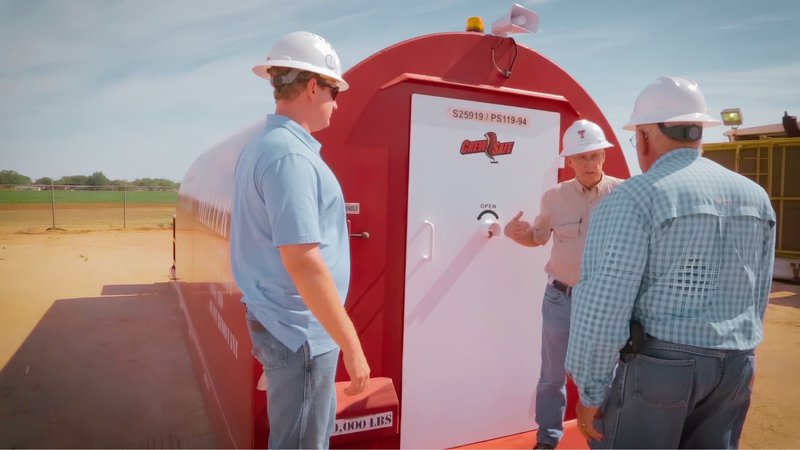
Daily field protocols help turn remote workforce safety solutions into working habits. A shelter becomes more useful when workers understand how it fits into the site’s emergency response process. When the plan is repeated during normal operations, crews are less likely to hesitate during an alert.
Remote Workforce Safety Solutions Need Support Beyond First Deployment
Remote work rarely stays exactly as planned after the first shelter layout is set. Crews may expand into a new zone, reduce in size after peak activity, or shift toward a different access route as the project changes.
Support after deployment helps the safety plan stay useful instead of becoming outdated. Remote workforce safety solutions should allow teams to adjust shelter coverage, reposition units, and match protection to the current phase of work.
Ongoing support becomes especially important in high-risk zones where weather exposure, terrain, and access can change quickly. When shelter coverage can scale up, scale down, or move with the operation, safety leaders have more control over crew protection throughout the full project timeline.
Turn High-Risk Zones Into Defined Protection Areas
High-risk zones become easier to manage when protection follows real crew movement, changing exposure, and practical access. A scalable shelter strategy gives safety leaders room to adjust as headcount grows, work areas shift, or site conditions create new risks. When companies build remote workforce safety solutions for movement and scale, crews do not have to depend on a fixed plan that no longer matches the field.
Mobile severe-weather shelters help remote operations create refuge points that support emergency response, regrouping, and evolving project needs. Safety teams can add, reduce, or reposition units as conditions change across high-risk areas. Request a remote workforce shelter assessment with Red Dog Mobile Shelters and define protection areas before your next high-risk phase begins.