
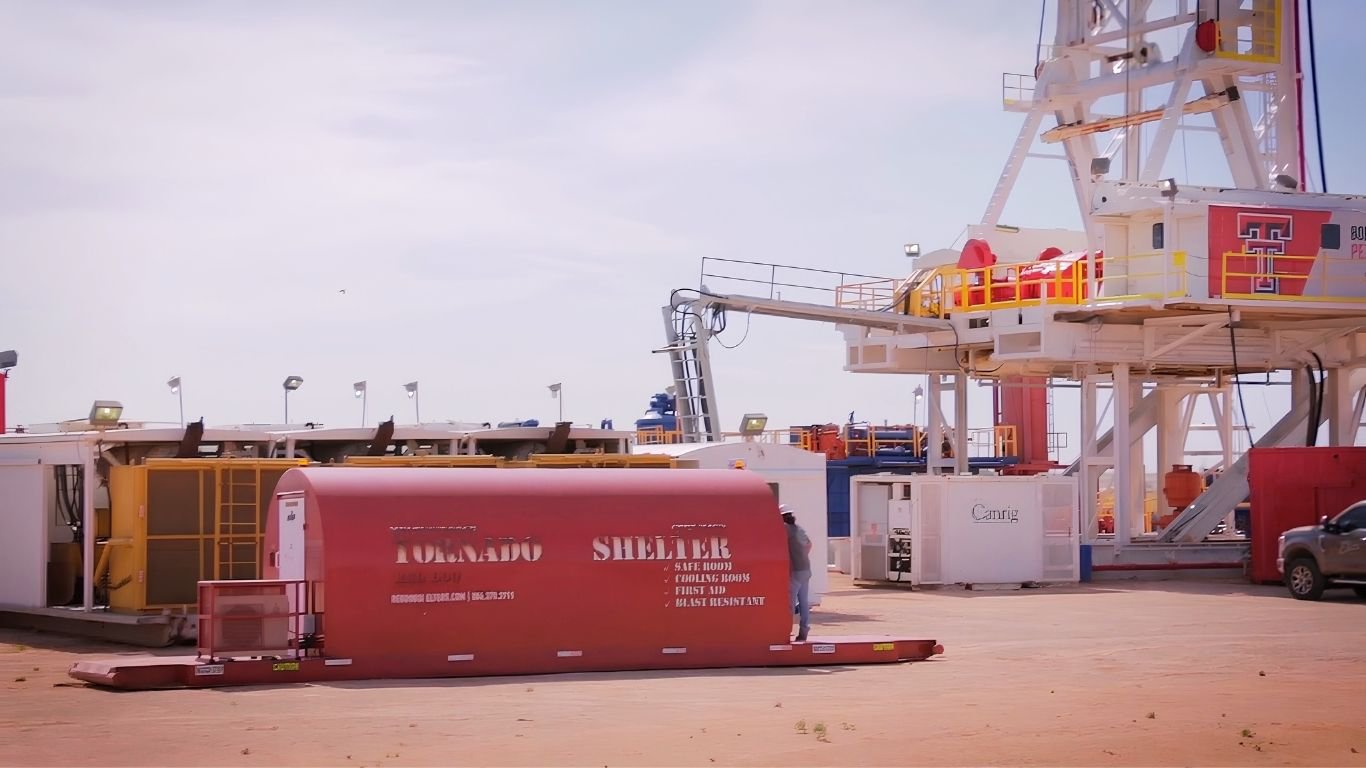
Energy sites do not always have a safe building nearby. Drilling pads, production sites, service roads, and remote utility areas can leave crews exposed when storms develop fast. In those field conditions, safety teams need Oil Rig Storm Shelters close to active work without slowing the operation.
Rapidly deployable shelters reduce the time between a weather alert and crew protection. Energy operators do not have to wait for foundation work, mechanical anchoring, or a permanent buildout. They can plan shelter coverage around current site activity, rotating crews, and changing field needs.
What Should Energy Teams Check Before Severe Weather Hits?
Energy work often happens across open pads, service routes, utility corridors, and production areas where permanent refuge may be limited. Crews may be close to heavy equipment, temporary staging areas, or exposed access roads when a weather alert comes in.
Before severe weather hits, safety teams should confirm where workers are, how fast they can reach protection, and whether the response plan still fits the active work area. These checks help operators place Oil Rig Storm Shelters where crews can use them quickly instead of relying on distant fixed structures.
For energy operators, planning becomes more practical with Oil Rig Storm Shelters. A shelter placed near active field operations can give crews a defined refuge point before high winds, lightning, or tornado warnings create pressure.
Oil Rig Storm Shelters Reduce the Time Between Alert and Action
Weather alerts only help when crews know where to go. On oil and energy sites, even a short delay can matter. Workers may be spread across drilling areas, service vehicles, storage zones, and temporary workspaces.
The gap between alert and action becomes shorter when safety teams place Oil Rig Storm Shelters close to the people who need them. Instead of sending crews toward a distant building or vehicle line, teams can create a clearer response path near the active work area.
Rapid Deployment Supports Fast-Moving Energy Operations
Energy operations can shift quickly as equipment moves, crews rotate, or work opens in a new part of the site. A shelter plan that takes too long to install may fall behind the operation before it ever becomes useful.
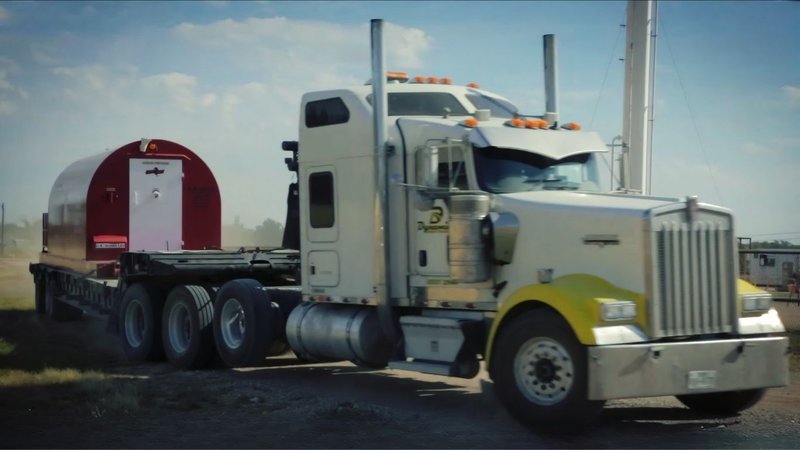
Rapidly deployable shelters help safety leaders place protection where field activity is happening now. Red Dog’s above-ground units avoid foundation work and mechanical anchoring. Energy teams can add shelter access without adding a separate construction step before crews use it.
Oil Rig Storm Shelters Help Protect Rotating Crews and Contractors
Energy sites often rely on rotating crews, service contractors, maintenance teams, and supervisors who may not all work the same schedule. Severe-weather response becomes harder when every worker has a different level of site familiarity.
Those teams gain a defined refuge point when safety leaders include Oil Rig Storm Shelters in orientations, briefings, and drills. As headcount changes, teams can add units during heavier activity or reduce units when the site begins to wind down.
Flexible coverage helps oil and gas operations that do not follow a static footprint. When shelter coverage adjusts with crew size and work activity, safety leaders can manage protection without relying on a one-size plan for every phase.
Multi-Use Shelter Space Adds Value on Remote Energy Sites
Remote energy sites often need safety resources that do more than one job. A shelter can serve as a storm refuge, emergency muster point, and safe room when crews need a clear place to regroup.
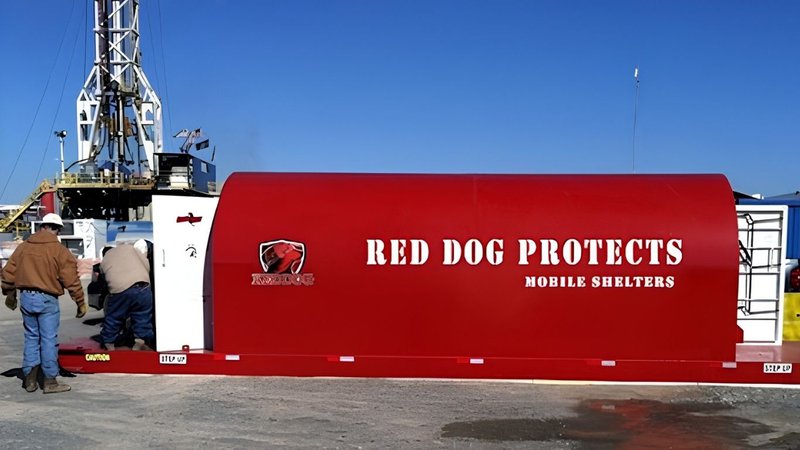
Lightning-related safety planning can also include Oil Rig Storm Shelters when they are properly grounded as Faraday cages. That protection can help on exposed pads, service roads, and production areas where crews have limited access to nearby protected spaces.
Prepare Field Crews Before the Next Weather Window Opens
Energy-sector safety depends on timing, placement, and crew awareness. Rapidly deployable shelters help operators move crews to protection faster after a weather alert. Teams have a clearer path to refuge before conditions become harder to manage when safety leaders place Oil Rig Storm Shelters near active work areas.
Above-ground mobile units can support oil and energy operations as field needs change. Crews can deploy, reposition, and scale them around rotating teams, remote pads, and active work zones. Coordinate oil rig storm shelter coverage with Red Dog Mobile Shelters before the next weather window reaches the field.