

A tough shelter starts with a simple question: can it protect people where refuge is hardest to deliver? Remote jobsites, exposed industrial areas, construction zones, energy sites, and disaster-response locations do not always give crews access to permanent shelter. A mobile shelter has to combine strength, stability, and practical field use in one design.
Mobility alone is not enough. A shelter also has to handle severe weather, support fast placement, and stay usable for crews. Strong designs do more than move from site to site. They stay ready once they arrive.
A Mobile Shelter Has to Be Engineered for Real Field Conditions
Engineers have to design a jobsite-ready shelter for more than ideal conditions. The unit may sit on exposed ground, serve crews during fast-changing weather, and remain accessible while equipment, materials, and work zones shift around it. A mobile shelter has to account for how people actually move, work, and respond when conditions become urgent.
Real field use also changes what “tough” means. Strength matters, but access, comfort, visibility, and daily usability matter too. When engineers build those details into the design, the shelter becomes more than a transported structure.
The unit becomes a practical safety asset when crews can recognize it, use it, and rely on it during severe weather. Readiness starts with engineering choices made long before the shelter reaches the field.
Toughness Starts With the Structure, Not the Sales Claim
A shelter can sound strong on paper. Field conditions show whether the structure can handle real exposure, which is why testing standards and verified performance matter. High winds, flying debris, open terrain, and industrial surroundings all test the frame, doors, materials, and overall build.
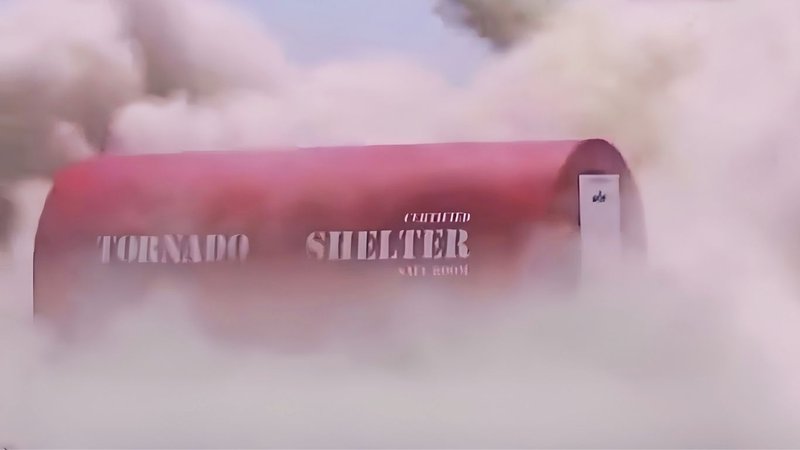
Strong construction also supports user confidence. Crews need to trust the shelter before they are asked to enter it during a warning. When the structure feels solid, visible, and purpose-built, it becomes easier for safety leaders to make it part of the site’s emergency plan.
Aerodynamic Anchoring Makes Mobility Practical
Mobility only works if the shelter can also stay secure once it reaches the site. Red Dog’s patented aerodynamic anchoring design lets the unit sit above ground without mechanical anchoring or foundation work. Crews can avoid excavation, concrete, and fixed-installation delays.
This anchoring approach makes a mobile shelter practical for changing work environments. The unit can support severe-weather protection without forcing every site to become a construction project before crews can use it.
A Mobile Shelter Should Be Built for Use, Not Just Placement
A shelter’s job does not begin only when crews receive a warning. Crews respond better when they know where the refuge point is. They also need to understand how it fits into the site’s safety routine.
Interior design matters for that reason. Seating, lighting, heating, air conditioning, desk space, and cool-down support can turn a mobile shelter into a space crews recognize before severe weather arrives.
Familiarity supports faster response during an alert. When workers have already entered the shelter during normal operations, the unit feels less like an unfamiliar emergency-only structure and more like part of the worksite.
The Design Has to Move Without Losing Readiness
A shelter built for mobility should still work when the site changes. If a project grows, shifts, or winds down, teams should be able to move the unit without rebuilding the plan.
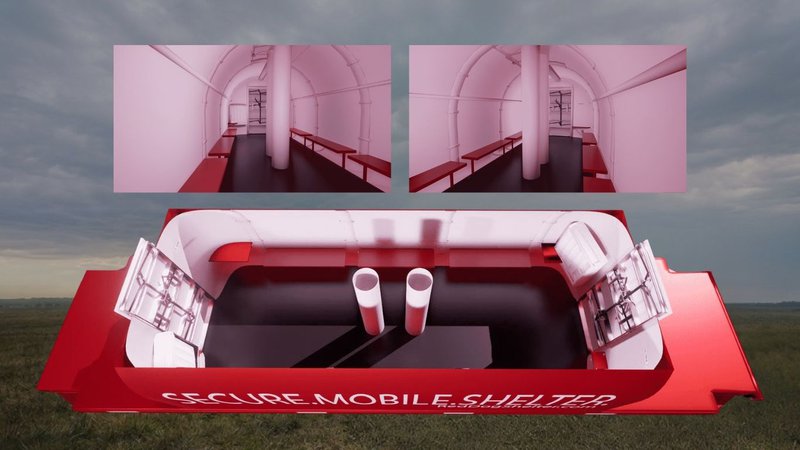
Engineering and logistics matter after the shelter reaches the site. A mobile shelter can support changing site needs when equipped customers reposition the unit or a winch truck moves it as the operation evolves. Flexible movement helps the shelter remain useful as crews relocate, project phases change, or protection needs shift to another part of the worksite.
Where Strength, Mobility, and Daily Readiness Come Together
A strong shelter design should not force teams to choose between durability, mobility, and usability. It has to protect crews in severe weather, move as site needs change, and stay practical before an emergency. When those details work together, a mobile shelter becomes part of the jobsite’s safety rhythm instead of a separate piece of equipment sitting outside the plan.
Those priorities come together in an above-ground design built for demanding field conditions. The result is a shelter built for strength, movement, crew access, and daily readiness across industrial, construction, energy, and remote worksites. Review your jobsite requirements with Red Dog Mobile Shelters and evaluate a mobile shelter built for real field conditions.