

When it comes to severe weather preparedness, logistics play a crucial role in ensuring timely protection. Portable storm shelters offer flexibility that permanent structures cannot, but their mobility requires careful planning. Understanding how these shelters are transported provides insight into the operational efficiency and safety measures that support emergency readiness.
Proper transportation is essential for both residential and industrial applications. Structural integrity must be maintained for a well-engineered shelter while being moved. Mishandling during transit can compromise performance, making professional procedures critical.
Standard Transport Methods for Portable Shelters
Moving portable storm shelters involves more than simply placing it on a truck. Thick, engineered steel makes the shelters heavy enough to withstand extreme weather. Their size and weight necessitate equipment capable of safely lifting and securing the unit for road transport.
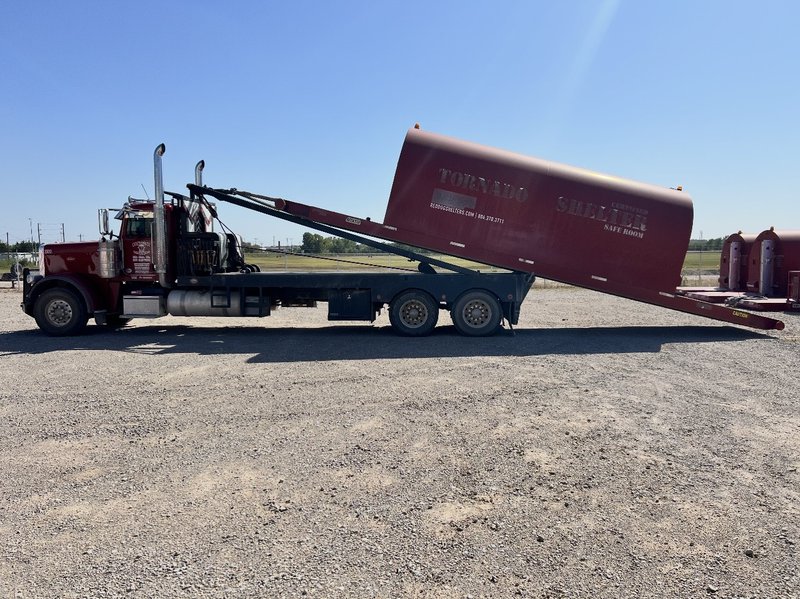
Flatbed trucks equipped with winches are commonly used to transport these shelters. The winch provides precise control when loading and unloading, reducing the risk of damage to the shelter or surrounding property. Additionally, securing straps and blocks prevents shifting during transit. Proper loading techniques ensure that the shelter remains level and stable throughout the journey.
Operator Training and Safety Considerations
Transporting a portable storm shelter requires trained personnel. Operators must understand weight distribution, balance, and safe handling practices. Even minor mistakes during loading can compromise the shelter’s structure or create hazards on the job site.
Training includes familiarization with the winch system, attachment points on the shelter, and protocols for driving with oversized loads. Drivers also learn how to navigate inclines, uneven terrain, and potential obstacles that could affect stability. Adequate preparation and professional handling reduce the likelihood of accidents and maintain the shelter’s protective capabilities.
Site Accessibility and Placement
Before transport begins, the delivery location must be evaluated. Factors such as road width, terrain type, and available space for maneuvering determine how the shelter will be positioned.
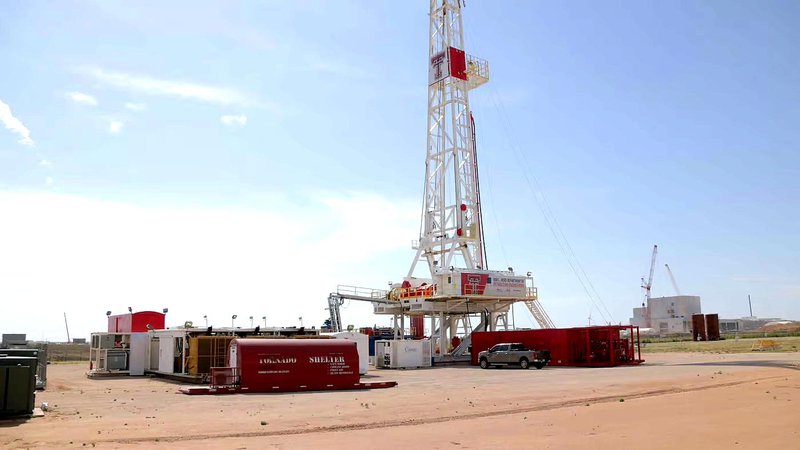
Portable storm shelters are designed to be deployed quickly once on site. Drivers use the winch to lower the unit precisely in the intended spot, minimizing additional equipment needs. Proper site preparation ensures that the shelter is immediately operational and meets safety requirements.
Maintenance of Transport Equipment
Transporting storm shelters safely also depends on the reliability of the equipment used. Teams must routinely inspect and maintain winches, flatbeds, and securing hardware to guarantee performance during each move.
Regular checks prevent equipment failure that could damage the shelter or endanger personnel. Keeping transport systems in excellent condition ensures consistency, efficiency, and safety during every delivery.
Red Dog Shelters’ Transport Advantage
Red Dog Shelters provides a streamlined approach to moving portable storm shelters. Their units are loaded and unloaded using a semi and flatbed winch truck operated by trained drivers. This method requires no additional equipment, reducing setup time and potential logistical challenges.
The shelters maintain full structural integrity throughout transport, arriving on site ready for immediate use. This efficiency benefits construction sites, remote worksites, and temporary installations where fast deployment is critical.
Organizations can rely on Red Dog Shelters’ expertise to ensure that portable storm shelters are transported safely and placed precisely where needed. Talk to us today to learn more about how their mobile solutions combine engineered protection with practical deployment.