

A large commercial shelter contract is not just a product purchase. It affects procurement risk, safety review, schedule planning, internal approvals, and long-term accountability. Before signing, buyers need to know whether a storm shelter manufacturer can support the documentation, delivery expectations, and contract requirements behind the decision.
The strongest evaluation goes beyond price, capacity, and delivery dates. Safety leaders and procurement teams should review testing history, engineering support, delivery process, contract flexibility, and post-sale support. For commercial sites with exposed crews or multiple operating areas, the manufacturer needs to act like a contract partner with clear accountability, not just a supplier.
What Large Contracts Require From a Storm Shelter Manufacturer
Large-scale contracts create more pressure than one-time shelter purchases. Buyers may need multiple units, phased delivery, clear documentation, and a process that supports internal review. A storm shelter manufacturer should explain how its shelters perform. Buyers also need a clear view of delivery timing, documentation, and how the solution fits their operating environment.
Procurement teams also need confidence after the contract begins. Workforce size may grow, order requirements may shift, and shelter coverage may need to expand or decrease as the agreement moves forward. A strong partner should help buyers adjust without forcing them to restart the planning process.
Verified Testing Should Come Before Capacity Claims
Capacity numbers matter, but they should never be the only proof point in a commercial shelter decision. Buyers need to understand how the shelter has been tested. They should also review what standards, materials, and engineering methods support the design.
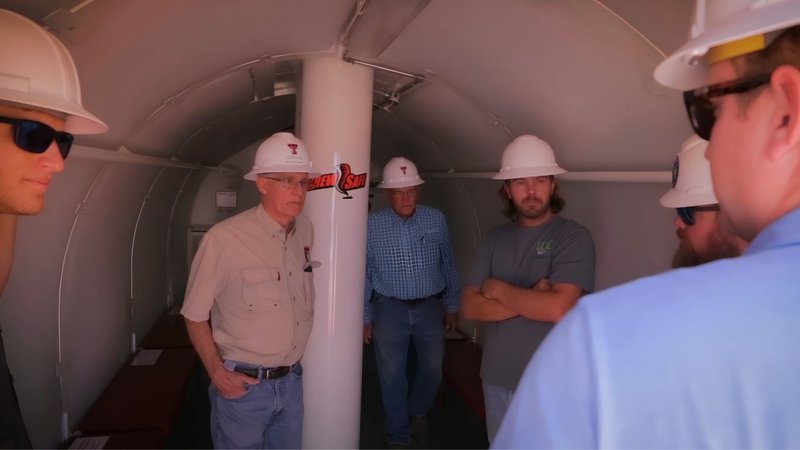
A credible storm shelter manufacturer should be able to speak clearly about testing, materials, and structural design without relying on vague “storm safe” language. Documentation gives safety leaders and executives more confidence during approval because it turns shelter performance into something they can review, compare, and defend.
Contract Review Should Cover Follow-Through After Approval
Before approval, buyers should confirm verified shelter performance, clear delivery timelines, and post-delivery support if project needs change. A storm shelter manufacturer should also explain phased orders, multi-site deployment, relocation support, and coverage updates after the proposal stage. These contract details help buyers compare accountability before price becomes the deciding factor.
A storm shelter manufacturer needs to explain how the product works beyond the specification sheet. Contract teams should review documentation updates, relocation procedures, and the process for adjusting coverage during the agreement.
Support after delivery also matters in a large contract. If order needs change or new phases are added, the manufacturer should help the buyer update coverage without starting the planning process from scratch.
Approval-to-Readiness Timelines Should Be Clear
Setup time can affect both safety planning and project schedules. If a shelter requires excavation, concrete, mechanical anchoring, or heavy site preparation, the contract may create delays before protection is available.
A capable storm shelter manufacturer should offer a clear deployment process that buyers can understand before approval. Red Dog’s above-ground shelters avoid foundation work and mechanical anchoring, which gives buyers a clearer path from contract approval to field readiness.
How Contract Scalability Affects Manufacturer Selection
Contract scalability affects how buyers compare one manufacturer against another. Crew size may increase during peak activity, then decrease as the job moves into later phases. A storm shelter manufacturer should explain how unit counts, delivery schedules, relocation needs, and support terms can adjust without unnecessary delays.
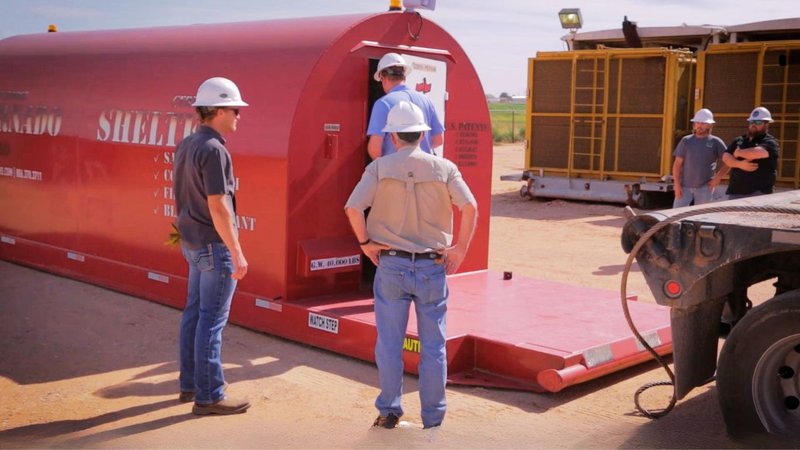
Scalability is what separates a product vendor from a field partner. If the manufacturer can help buyers align shelter coverage with workforce size, delivery timing, and contract scope, the solution becomes easier to manage through the full purchasing cycle.
Select a Storm Shelter Manufacturer Built for Contract-Scale Accountability
A large-scale shelter decision should give safety, operations, and procurement teams confidence after the contract is signed. The manufacturer should be able to support documentation, delivery, relocation, and changing coverage needs. Buyers should not have to solve every contract issue alone after approval. For commercial projects with exposed crews, accountability matters as much as product capacity.
Large contracts need more than a shelter option that looks good during review. Buyers need a manufacturer that can answer documentation questions, support phased decisions, and remain accountable after delivery. Compare contract-ready shelter solutions with Red Dog Mobile Shelters and choose a manufacturer prepared for commercial-scale accountability.