
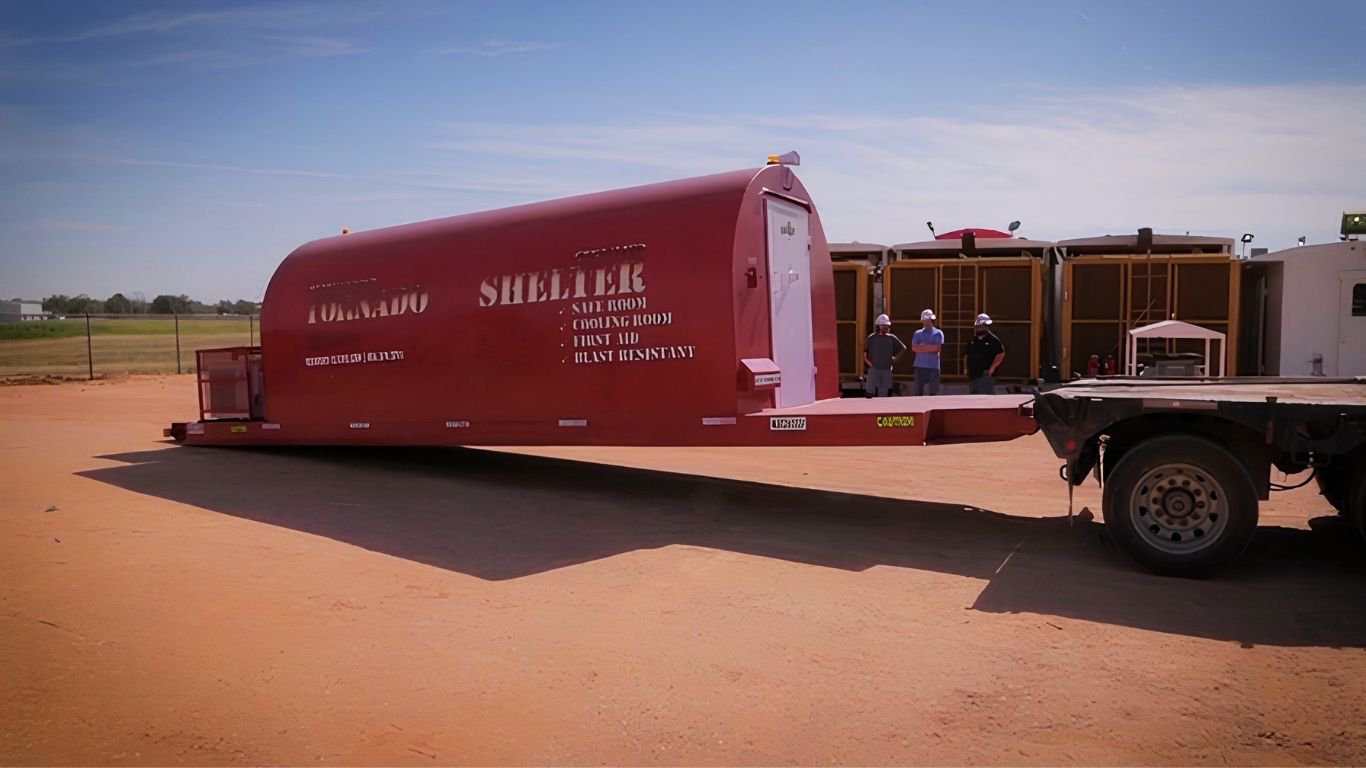
Severe-weather planning should not create another maintenance problem for safety teams. Below-grade shelters can bring concerns around drainage, water intrusion, muddy access points, soil movement, and long-term inspections. For industrial sites, remote projects, and changing work areas, a storm shelter above ground can reduce those upkeep issues while staying visible and ready to use.
Maintenance-free protection does not mean teams ignore the shelter after placement. It means the design removes many common failure points tied to excavation, foundations, and below-grade access. When crews need reliable refuge without adding more site-maintenance demands, above-ground shelter design offers a practical way to protect people and simplify readiness.
A Storm Shelter Above Ground Reduces Below-Grade Upkeep Issues
Below-grade shelters can bring maintenance concerns that safety teams may not want to manage on active industrial or remote sites. Water intrusion, drainage problems, muddy entry points, and soil movement can all affect access and long-term readiness. A storm shelter above ground avoids many of those below-grade concerns because protection stays visible, reachable, and easier to inspect.
Visibility matters when crews need to act quickly during severe weather. If an entrance is hard to reach, filled with water, or affected by ground conditions, the plan becomes less reliable. Above-ground design helps remove those complications while making the refuge point easier to monitor before storm season, during active work, and after heavy rain.
Maintenance-Free Protection Starts With Fewer Failure Points
A lower-maintenance shelter plan starts by reducing the parts of the system most likely to create problems. For many sites, that means avoiding excavation, below-grade access, and drainage-dependent designs whenever possible.
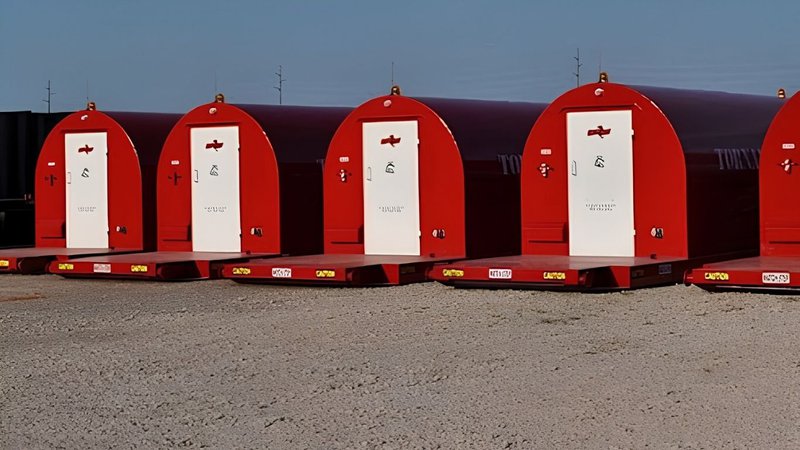
An above-ground design can reduce several common upkeep concerns. These issues often create the most trouble after heavy rain, site changes, or long periods between inspections:
- Water intrusion after heavy rain
- Drainage problems around access points
- Muddy or blocked below-grade entries
- Foundation work that slows deployment
- Hidden deterioration that is harder to inspect
Fewer failure points can make severe-weather readiness simpler for busy site teams to manage. When a storm shelter above ground is visible, accessible, and simple to check, safety leaders spend less time on upkeep and more time keeping the site ready.
Visible Access Makes Readiness Easier to Manage
A shelter that crews can see, reach, and enter without extra steps is easier to include in day-to-day safety checks. Site leaders can confirm the area around the unit is clear, verify access routes, and make sure workers know where to go when weather conditions change.
A storm shelter above ground also helps reduce confusion during alerts because the refuge point is not hidden below grade or dependent on a stairwell, hatch, or low entry area. Clear visibility supports faster response, especially for rotating crews, contractors, and visitors who may not know the site layout well.
A Storm Shelter Above Ground Avoids Foundation and Anchoring Delays
Foundation work can slow a shelter project before crews ever gain access to it. Excavation, concrete, curing time, soil conditions, and site preparation can all add steps that may not fit fast-moving industrial projects or remote work areas.
A storm shelter above ground removes much of that setup burden when teams can place it on suitable flat ground. Red Dog’s patented aerodynamic anchoring design avoids mechanical anchoring and foundation work, which helps teams add protection without turning shelter placement into a separate construction project.
This matters when the work site changes or the project timeline tightens. Crews can reach severe-weather refuge faster, while safety leaders avoid some of the delays tied to below-grade construction or fixed installation.
Lower Upkeep Reduces the Burden on Site Teams
Site teams already have enough to monitor across active industrial projects. Equipment access, crew movement, weather alerts, inspections, utilities, and changing work areas can all compete for attention. A lower-upkeep shelter helps safety leaders maintain crew refuge without adding another demanding asset to the site.
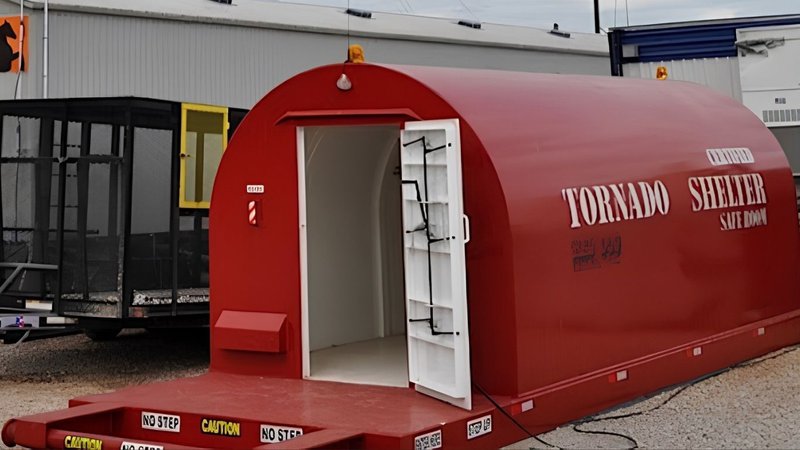
Lower upkeep is especially valuable when teams manage remote locations or temporary project areas. A storm shelter above ground can be easier to inspect, reposition, and keep accessible as site needs change. Instead of dealing with drainage problems, hidden access issues, or foundation-related concerns, crews can focus on keeping the shelter clear, visible, and ready for use.
Protect Crews Without Creating Another Maintenance Task
A strong shelter plan should make severe-weather protection easier to manage, not harder. A storm shelter above ground supports that goal by reducing common below-grade concerns while keeping access simple for crews, supervisors, and safety teams. When protection is visible, reachable, and easier to check, it becomes part of the site’s readiness plan instead of another hidden maintenance issue.
The above-ground shelters help industrial teams protect workers without adding foundation work, mechanical anchoring, or below-grade upkeep to the project. Remote sites, temporary work zones, and active operations gain a practical shelter option without long installation delays. Schedule a shelter review with Red Dog Mobile Shelters and simplify severe-weather protection before your next project phase begins.