
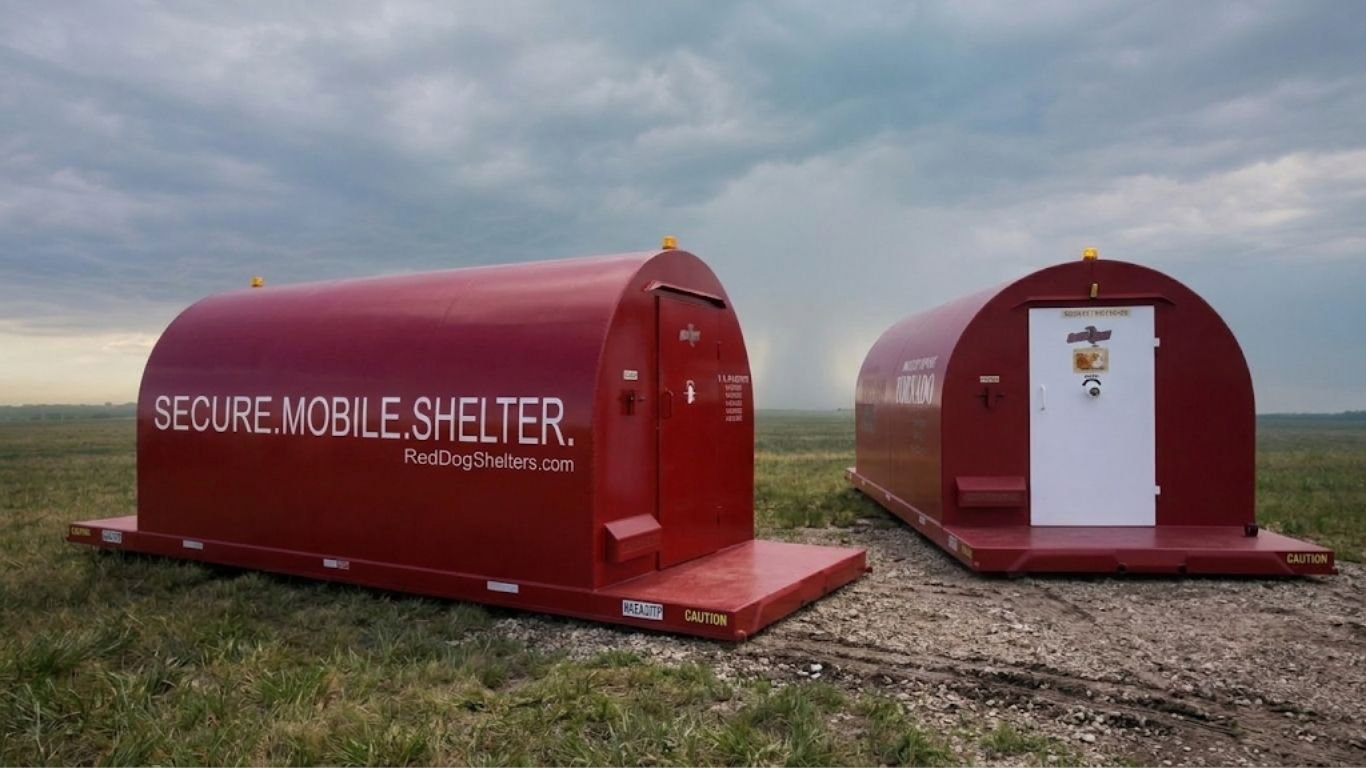
Data center site selection is a rigorous process. Evaluators examine power grid access, fiber connectivity, seismic risk, land cost, and proximity to workforce. Most evaluators underweight the severe weather exposure of the construction and operations workforce. They overlook the safety infrastructure needed before the first permanent wall goes up. Data center site selection safety planning determines whether the right shelter assets sit on the ground before crews arrive.
What Site Hardening Means for an Active Construction Phase
Site hardening typically refers to the physical design of a completed facility. Standard plans specify reinforced structures, redundant power systems, and hardened communication infrastructure. Applied to the construction phase, the concept shifts. The crew on site during construction has none of the protection a finished building provides. Crews work in open terrain before any permanent structure exists, and they need certified shelter from the first day of mobilization.
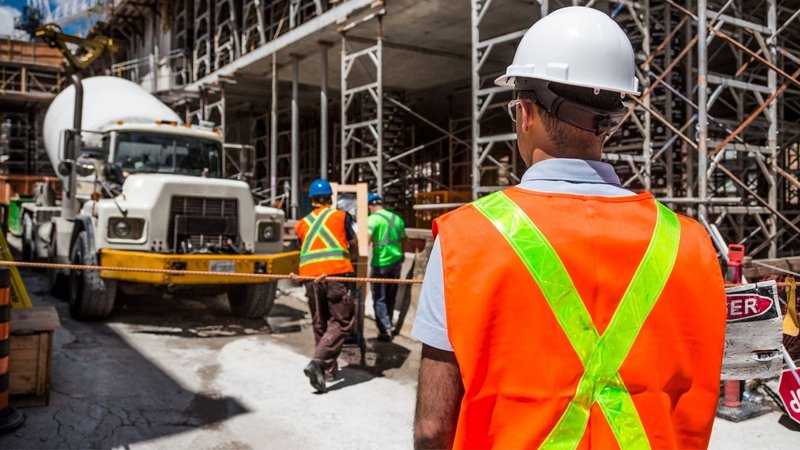
The terrain properties that attract data center development often correlate directly with severe weather risk. Flat land in low-cost markets frequently sits inside storm corridors. Available land and expanding power infrastructure attract operators to the central and southern United States. However, these markets sit inside or adjacent to Tornado Alley. A site safety assessment must include a severe weather infrastructure plan for the construction phase to close this compliance gap.
The Occupational Safety and Health Administration (OSHA) mandates safety training for construction workers. Employers must train crews to recognize and avoid site-specific severe weather hazards. That obligation begins at mobilization, not at project completion.
Shelter Infrastructure as a Data Center Site Selection Safety Criterion
Some data center operators have begun treating certified shelter availability as a site selection criterion in its own right. Operators must evaluate whether a shelter can arrive within 48 hours of mobilization. The asset must also move easily as construction advances. A shelter that requires a concrete foundation rules itself out on sites that are still in the grading phase.
Red Dog Shelters' above-ground units require no foundation and no mechanical anchoring. The Aerodynamic Anchoring™ system uses a passive pressure differential through vacuum tubes. This mechanism creates a downward force that increases with wind speed. The shelter secures itself the moment it touches flat ground. Teams establish coverage during site grading before any building structure exists.
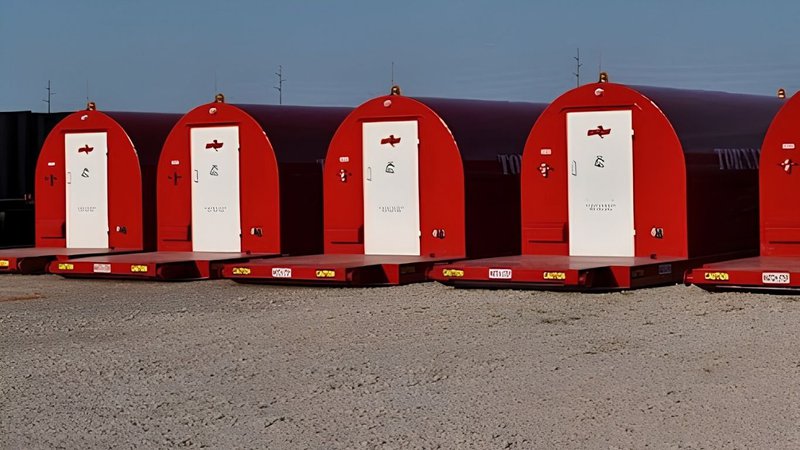
Project managers distribute units across the footprint as crews spread out. They add extra shelters as headcount grows during peak construction phases. When sections of the build complete, teams remove or reposition units without disrupting the active schedule. This model eliminates foundation removal, permits, and deployment delays.
The Multi-Phase Deployment Model
A data center build runs in phases: site preparation, foundation work, structural steel, mechanical, electrical, and plumbing (MEP) installation, and commissioning. The crew composition changes at each phase, and so does the location of the highest-density work. A static shelter placement plan designed for phase one will be wrong for phase three.
Red Dog's rapid deployment capabilities let managers update shelter placement as the build progresses. Crews move units using standard on-site equipment. Alternatively, they request a winch truck from Red Dog to reposition assets. The shelter adapts to the project rather than the project adapting to the shelter.
OSHA emergency preparedness standards mandate a written emergency action plan for each worksite. This document identifies specific shelter locations for the current crew configuration. On a multi-phase project, managers must update that plan as phases change. Above-ground deployable shelters make that update practical.
What to Include in the Data Center Site Selection Safety Assessment
A thorough data center site selection safety assessment covering severe weather must identify the tornado risk rating for the proposed site. Evaluators check whether terrain and soil conditions support the planned shelter type. The plan must confirm that certified shelter arrives within the mobilization window. Finally, managers must determine how to adjust shelter placement as build phases evolve.
Red Dog delivers above-ground units across the United States within 48 hours of mobilization. These systems comply with Federal Emergency Management Agency (FEMA) P-361 and International Code Council (ICC) 500 standards.
Site hardening for the construction phase starts with the site selection process. Contact us today and let’s talk specifics. We’ll be happy to discuss deployment logistics, site-specific coverage planning, and lease structures in advance of your next data center project.