

Disaster zones expose every weak point in a safety plan. Blocked roads, unstable utilities, and scattered crews can make basic refuge planning harder to manage. These conditions make extreme storm shelters an early part of the plan, not a last-minute backup.
A basic refuge point may work on a predictable site, but disaster response rarely gives teams that kind of control. Crews need shelter access near the areas where they are staging, restoring services, clearing debris, or supporting emergency operations. In the field, protection becomes a practical safety decision, not just a backup measure.
Extreme Storm Shelters Must Be Built for Unstable Conditions
Disaster-zone work rarely happens in clean, controlled environments. Crews may be operating near damaged infrastructure, temporary command areas, utility-restoration zones, or open staging locations with limited access to permanent buildings. Safety plans need to account for those conditions before the next weather threat develops.
Shelters in these settings need to protect crews while the surrounding site continues to change. Extreme storm shelters should handle severe wind exposure, support fast access, and allow flexible placement where standard options may not work. When crews already face pressure, the response setup should reduce uncertainty instead of adding another challenge.
Standard Shelter Plans Can Fall Short After Major Storms
Standard shelter plans often depend on stable access, known routes, and fixed locations. After a major storm, those assumptions can break down quickly. A shelter may be technically available, but blocked roads, debris, damaged utilities, or scattered crews can make access harder when protection is needed most.
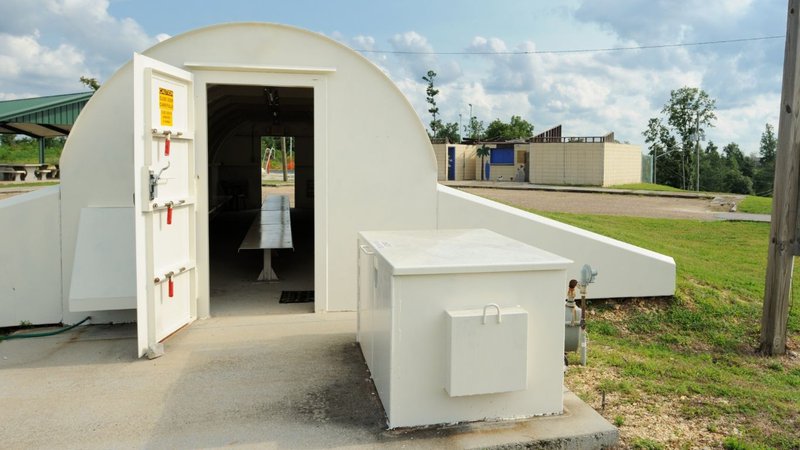
Disaster-response environments need shelter planning that can adapt to the field. If crews move between staging areas, restoration zones, and public safety support points, teams need to place extreme storm shelters where workers can reach them without losing critical time. The plan has to fit the disrupted site, not the site that existed before the storm.
Flexible Shelter Placement Supports Changing Disaster-Zone Operations
Disaster-zone operations can shift by the hour as crews clear access routes, restore utilities, move equipment, or open new staging areas. Extreme storm shelters help safety leaders keep protection closer to the work instead of relying on one fixed refuge point.
Disaster-response teams should review:
- Where crews will stage during each response phase
- How quickly workers can reach shelter during warnings
- Whether units need to move as operations shift
- How headcount may rise or fall during recovery work
This review keeps shelter placement tied to real field conditions. As the response changes, teams can reposition protection and give crews a clearer path to safety without slowing urgent recovery work.
Engineering Extreme Storm Shelters Starts With Strength and Stability
Disaster zones can expose shelters to more than high wind. Flying debris, open terrain, unstable ground conditions, and limited infrastructure can all affect how well a refuge point performs when crews need it most.
Strong materials matter in those environments. Heavy steel construction can create a more reliable barrier against severe weather hazards while giving field teams a defined place to gather during warnings.
Stability is just as important as strength. Red Dog’s patented aerodynamic anchoring design allows shelters to secure without mechanical anchoring or foundation work, which is a major advantage when disaster-response teams do not have time for excavation, concrete, or fixed installation.
Rapid Deployment Helps Crews Respond Where Protection Is Needed
Speed matters when crews are already working in damaged or exposed areas. Teams can place extreme storm shelters near staging zones, utility-restoration sites, debris-removal areas, or temporary command locations. Shorter travel distances help workers reach protection faster during severe weather.
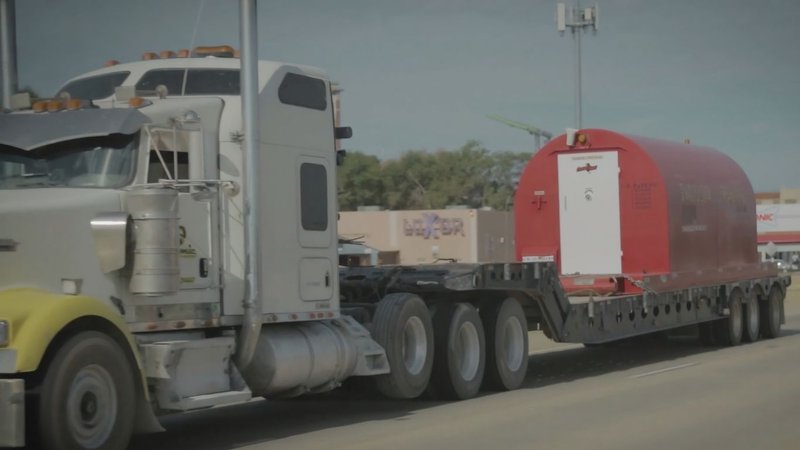
Fast placement also gives safety leaders more control as conditions change. If a response area shifts, equipped customers can move shelters themselves when possible, or a winch truck can reposition units as the operation evolves. This flexibility keeps protection close to the crews doing the work. It also prevents teams from depending on a shelter location that no longer fits the field layout.
Make Severe-Weather Protection Work Before, During, and After a Response
Shelters in disaster zones should do more than sit unused until crews receive a warning. They can support field teams as safe rooms, emergency muster points, and coordination spaces when people need a clear place to regroup. When properly grounded, they may also serve as Faraday cages during lightning events, adding practical value in exposed response areas.
For field response teams, extreme storm shelters should fit the pace and pressure of the work. Mobile units help crews protect people, adjust placement as conditions change, and keep safety resources close to active response zones. Contact Red Dog Mobile Shelters to plan safer shelter placement before your next disaster-zone deployment begins.