

Shopping for a storm shelter for sale means comparing steel, certification, and capacity claims fast. Safety directors and project managers rarely get more than a few minutes to size up a listing. A fast, sharp checklist protects your crew and your budget before you sign anything.
Owning a shelter outright can feel safe, yet many job sites do not need permanent gear. Leasing lets your team scale shelters up or down as headcount changes on the project. We built this guide to help you judge a listing and weigh leasing against buying it.
How Do You Evaluate in 5 Minutes?
Check four things fast: independent certification, true occupant capacity, anchoring method, and delivery speed. Look for National Storm Shelter Association (NSSA) or Federal Emergency Management Agency (FEMA) P-361 testing. Confirm the unit needs no foundation work and ships to your site within days.
The 5-Minute Checklist for a Storm Shelter for Sale
A storm shelter for sale should list its rated capacity using clear math, not guesswork. FEMA sets a commercial standard of 5 square feet per person for shelter capacity, while some sellers still use the 3-square-foot residential standard to advertise inflated maximum occupancy. Run through these four checks before you request a quote or a call.
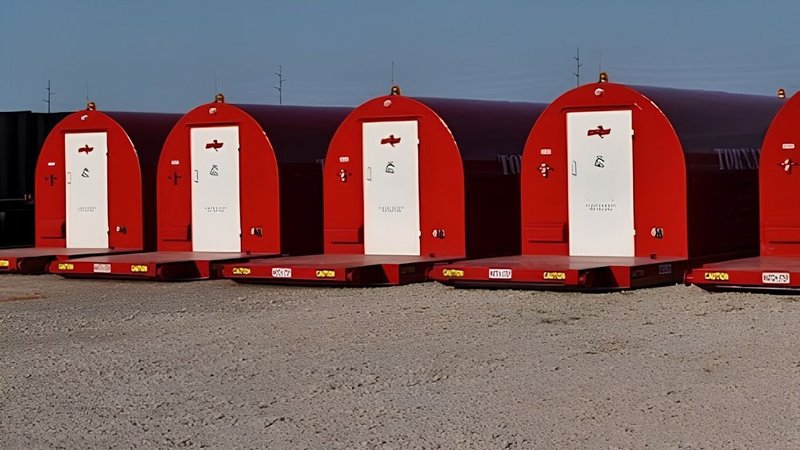
- Verify the capacity math. Ask how the seller calculates rated occupancy, since FEMA's commercial standard runs 5 square feet per person. Our Big Dog units are rated for 32 people, based on 160 square feet divided by 5.
- Confirm the anchoring method. Mechanical anchoring means digging, bolts, and inspection delays before a crew can even move in. Ask whether the unit instead uses a passive system, like two vacuum tubes in the curved roof that create a pressure differential to hold it down.
- Check the delivery lead time. Ask about lead time before you sign a deal, since timing affects when your crew actually gets protected. Many portable units can reach a job site within just a few days of ordering.
- Decide whether to buy or lease. Once capacity, anchoring, and delivery check out, the real question becomes whether owning or leasing fits your project timeline better.
A clear checklist keeps you from paying for capacity or protection a shelter cannot deliver. Walk through each point before you request a quote, so the decision to buy or lease comes down to your project, not a seller's pitch.
Why Leasing Beats Buying for Project-Based Sites
Buying a storm shelter for sale locks you into one fixed unit for every job. Project headcount rises and falls, and a purchased shelter cannot shrink or grow with it. Leasing solves that mismatch by letting you match shelter count to real crew size.
- Leased units need no mechanical anchoring or foundation work, so setup starts almost immediately.
- You can add shelters as headcount grows and remove them as the job winds down.
- Units spread across a large site, giving crews quick shelter access when storms build fast.
- Your team can reposition a unit, or Red Dog can send a winch truck to move it.
- Each shelter also works as a lightning-safe room and a muster point during emergencies.
A leased fleet lets your safety plan grow or shrink without new capital spending each time. In fact, it fits crews working oil and gas, energy, or data center jobs well.
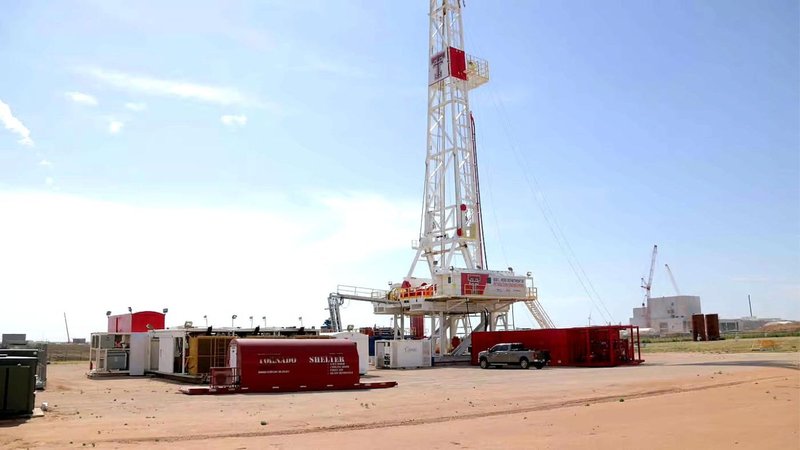
None of these units become dead weight once a project finishes and the crew moves on. You avoid the cost of storing, maintaining, or hauling a shelter you no longer need. In turn, your budget stays tied to active jobs instead of idle equipment sitting in a yard.
Questions to Ask Before You Choose a Storm Shelter
A storm shelter for sale can strain your budget if the project ends early. You still own it, so storage, upkeep, and resale become your problem afterward. Leasing shifts that burden back to the provider once your crew no longer needs it.
- Project timelines shift often, and a purchased unit cannot adjust to a shorter schedule.
- A lease term can match your actual job length instead of a guess made up front.
- Pricing depends on project length and how many units your site needs at once.
- A quick call lets our team walk through options that fit your specific timeline.
- Check our guide to sizing storm shelters for industrial crews if you're still working out how many units you need.
Buying still makes sense for permanent sites that need one shelter for years. For most project-based work, though, leasing keeps your options and y
Ready to Compare a Storm Shelter for Sale or Lease?
Every job site has different weather risk, headcount, and timeline pressure to plan around. A five-minute checklist tells you whether a listing meets real safety standards or not. Leasing then gives you room to adjust as the project grows or slows down.
Pricing for either option depends on your project length and how many units you need. Our team can walk you through both paths and recommend the best fit for you. Contact our team today to talk through your site, your timeline, and your options.
Leave a Reply