
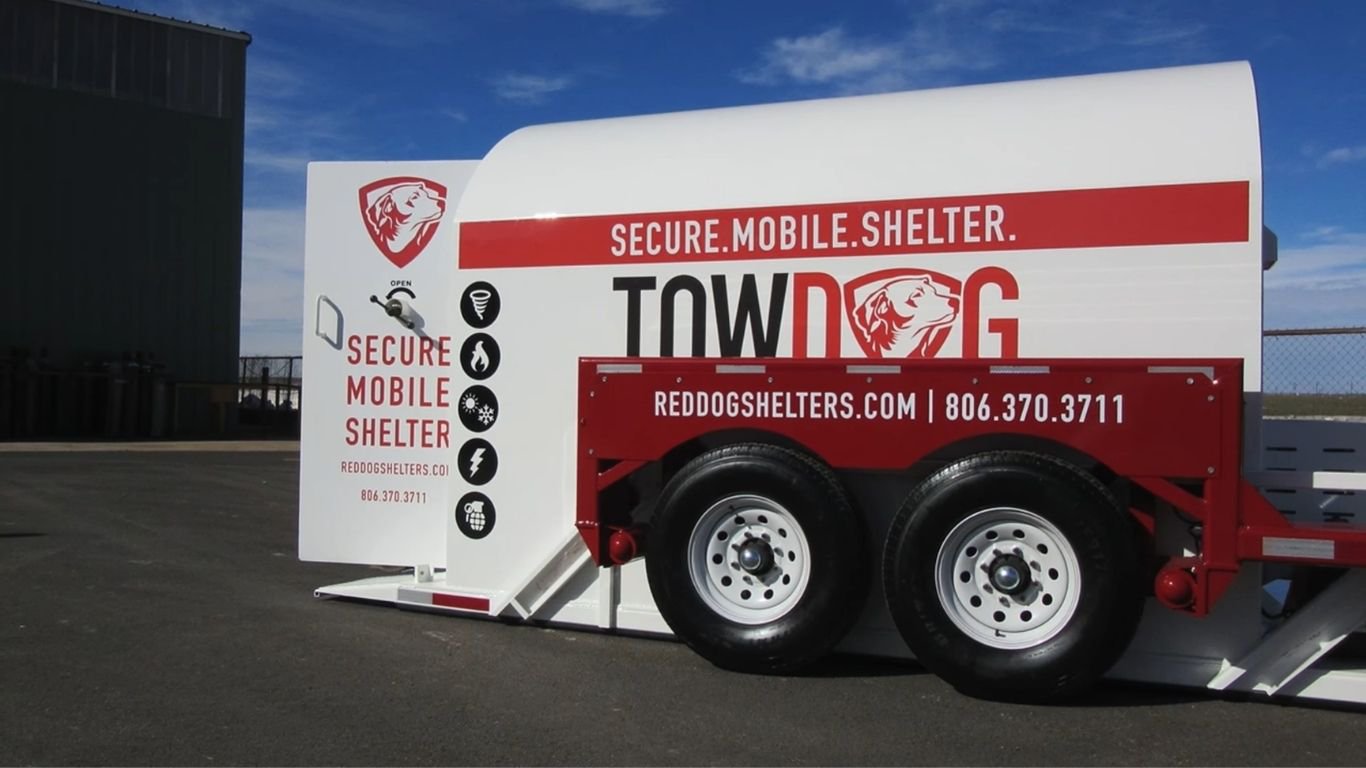
Disaster relief work often starts in unstable conditions. Roads may be damaged, utilities may be down, and field teams may be spread across response areas. Permanent buildings may also be unsafe or unavailable. In those moments, an above-ground shelter gives agencies a practical way to create protected space without complex site preparation.
Relief agencies need shelter support that matches the pace of emergency operations. Teams may need refuge near staging areas, command zones, public safety partners, utility crews, or field volunteers. Above-ground protection helps agencies place safety resources near active work instead of relying only on fixed facilities.
An Above-Ground Shelter Fits the Pace of Disaster Relief Work
Disaster relief sites can change from one hour to the next. A staging area may shift. Crews may move closer to damaged infrastructure, or agencies may open a new response zone as conditions become clearer. An above-ground shelter works well in this environment because it can support urgent field needs without depending on below-grade construction.
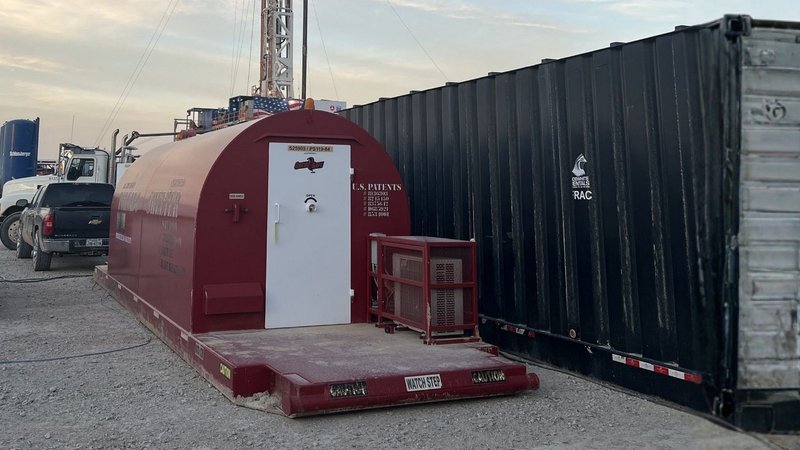
Speed matters when agencies are trying to protect responders and keep operations organized. A shelter that requires excavation, concrete, or mechanical anchoring may not match the urgency of relief work. Above-ground protection gives response leaders a faster path to usable refuge when the mission cannot wait for a traditional buildout.
Emergency Response Sites Need Protection Without Added Construction Delays
Disaster relief agencies often work in places where time, access, and infrastructure are already strained. If a shelter depends on excavation, concrete, foundation work, or mechanical anchoring, setup can become another project instead of an immediate safety resource.
An above-ground shelter helps reduce that delay. Teams can place it on suitable flat ground without the same below-grade buildout demands. For agencies coordinating response crews, utility partners, contractors, or volunteers, faster setup matters. It can make protected space available while the site is still changing.
Responder Safety Needs a Clear Above-Ground Shelter Point
Relief teams often work long hours in exposed conditions. Severe weather, lightning, high winds, damaged structures, and unstable access routes can all create risk while responders are still trying to serve the community.
An above-ground shelter gives agencies a defined refuge point for the people working in those conditions. It can support emergency crews, field coordinators, utility teams, cleanup contractors, and other personnel who need a safer place to regroup during weather threats.
Responder safety also affects the response itself. When crews know where to go during an alert, supervisors can account for people faster. Once conditions improve, teams can return to work with less confusion.
Clear Shelter Identification Helps Multi-Agency Teams Respond Faster
Disaster relief sites often bring several groups into the same response area. Public safety teams, agency staff, utility crews, cleanup contractors, volunteers, and logistics partners may all move through the site at once. When weather conditions change, every group needs to recognize the same refuge point without extra explanation.
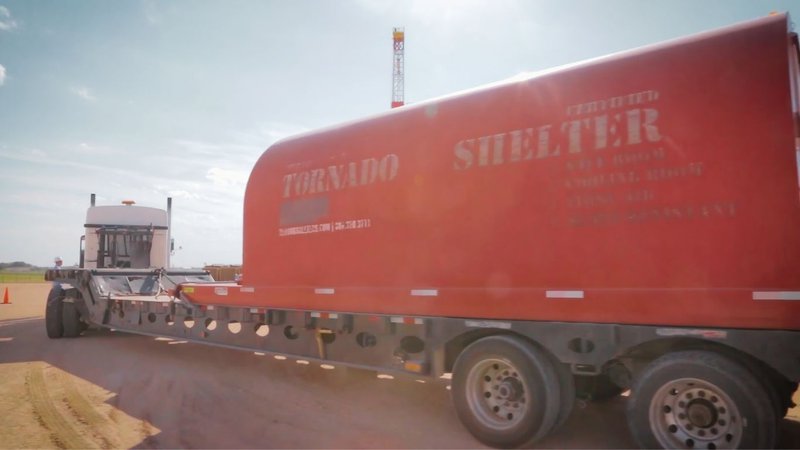
An above-ground shelter gives response leaders a visible, easy-to-reference location during active relief work. Unlike below-grade options that may depend on stairs, hatches, or access points affected by mud, debris, or standing water, the shelter can be easier to identify across a busy response site. For agencies managing many moving parts, clear shelter identification helps teams regroup, confirm headcounts, and stay coordinated under pressure.
Flexible Shelter Use Supports Changing Relief Priorities
Relief work rarely follows a fixed plan from start to finish. A site may begin as a staging area, then shift toward utility restoration, debris removal, temporary coordination, or responder support as needs change.
An above-ground shelter can support more than severe-weather refuge in those conditions. It can serve as a safe room, emergency muster point, or regrouping space when teams need one defined location during active response work. When properly grounded, it may also support lightning-related safety planning as a Faraday cage in exposed areas.
Equip Relief Teams With Above-Ground Shelter Support
Disaster relief agencies do not always get predictable sites, clear access, or stable infrastructure. An above-ground shelter gives response leaders a practical way to support responder safety while operations change around them. When teams can find shelter quickly, regroup in one clear location, and keep protection close to active work, the response becomes easier to manage under pressure.
Mobile severe-weather shelters help agencies add above-ground protection without foundation work, mechanical anchoring, or long setup delays. Units can support severe-weather refuge, muster-point use, and changing field priorities as relief work develops. Connect with Red Dog Mobile Shelters to prepare above-ground shelter support for your next disaster relief deployment.