
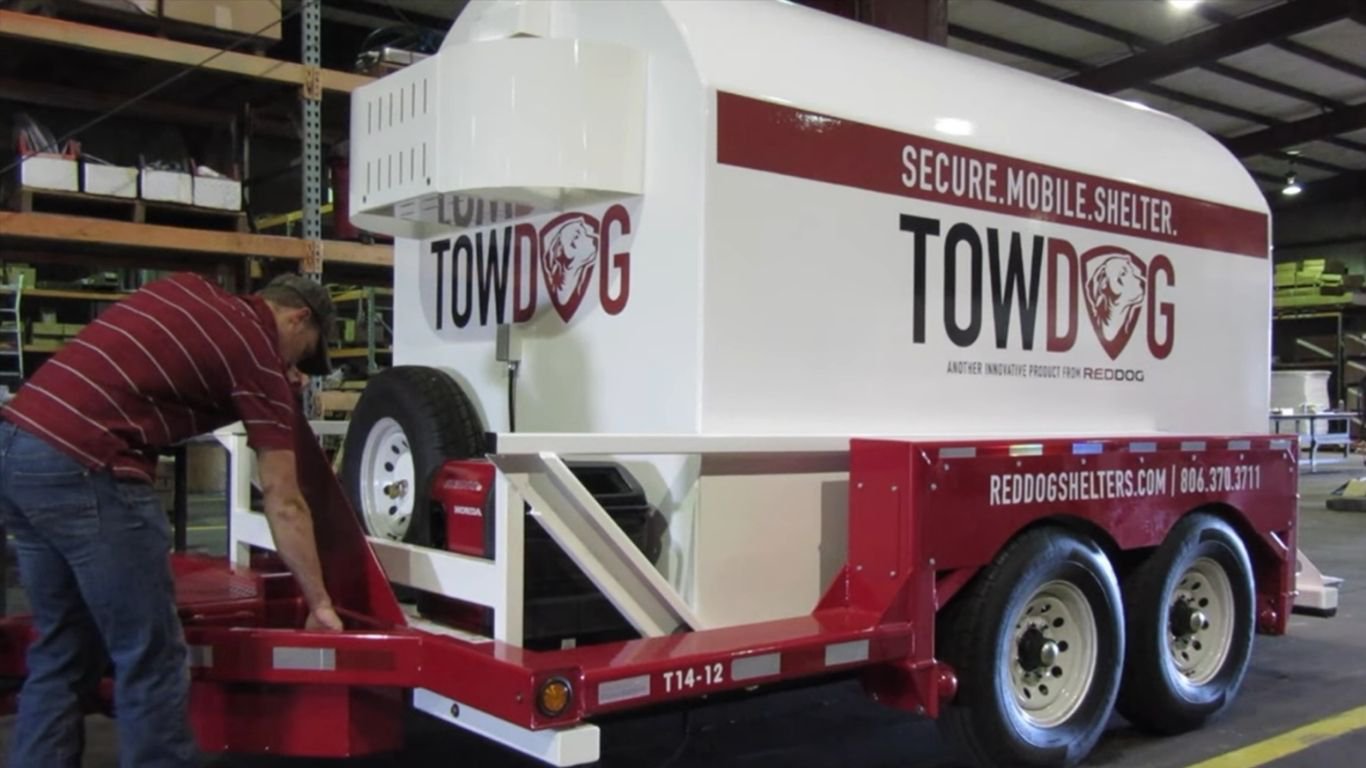
Concrete foundations can slow down shelter planning before crews ever gain access to protection. Excavation, curing time, soil conditions, site approvals, and restoration concerns can all add steps. For fast-moving projects, those steps can delay protection before crews ever use it. For industrial sites, remote operations, and temporary work zones, portable storm shelters offer a way to protect crews without turning safety readiness into another construction timeline.
Foundation-free shelter planning is not only about speed. It also helps teams avoid permanent site commitments when the work area may change, the project may close out, or the shelter may need to support another location later. When protection arrives ready for placement instead of waiting on concrete, safety leaders gain more control over how and where crews reach refuge.
Portable Storm Shelters Remove a Major Site-Preparation Barrier
Concrete work can create a long runway before a shelter becomes usable. Teams may need to assess soil conditions, prepare the site, coordinate equipment, pour the foundation, and wait for curing. They may also need to manage disruption around the work area. Those steps can make sense for permanent infrastructure, but they may create delays for projects that need severe-weather protection sooner.
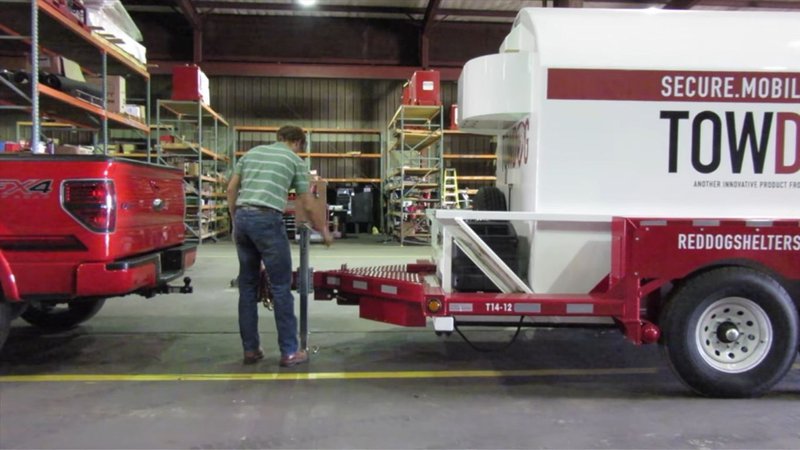
Portable storm shelters reduce that barrier by removing the need to build a fixed concrete base before crews can use the unit. Instead of treating shelter readiness as a separate buildout, safety leaders can focus on placement, access, and crew awareness. This approach is especially valuable for remote jobsites, leased spaces, phased work, or temporary operations where permanent foundations may not fit the project plan.
Foundation-Free Protection Shortens the Path From Delivery to Readiness
A concrete-dependent shelter plan can leave crews waiting while site work catches up. Foundation-free protection shortens that path because teams can move from delivery to placement without excavation, curing time, or permanent construction work.
For safety leaders, that means portable storm shelters can become part of the site plan sooner. Crews still need clear access routes, communication, and orientation, but the shelter itself does not have to wait on a concrete pour before it can support severe-weather readiness.
Portable Storm Shelters Help Teams Avoid Permanent Footprint Decisions
Not every project needs permanent shelter infrastructure. Some sites are temporary, leased, phased, or expected to change once the work is complete. In those cases, a concrete foundation may create a long-term footprint for a short-term safety need.
Portable storm shelters give teams more room to plan without locking the site into a fixed structure. When the work moves, ends, or shifts to another location, the shelter can remain useful beyond one placement decision.
Portable flexibility helps safety leaders think beyond the current project phase. Instead of asking whether a site should carry a permanent foundation, teams can focus on where protection is needed now and where the unit may serve crews next.
Anchoring Design Matters When Concrete Is Not Part of the Plan
A foundation-free shelter still needs a strong stability strategy. If crews are not pouring concrete or using mechanical anchoring, the shelter design has to account for wind forces, ground placement, and real jobsite exposure in another way. This is where engineering matters as much as portability.
Red Dog’s patented aerodynamic anchoring design allows the shelter to sit above ground without a concrete foundation or mechanical anchoring. For teams using portable storm shelters, protection can be placed on suitable flat ground. The site does not have to become a foundation project first. The design helps crews gain protection while avoiding the delays and disruption tied to permanent installation.
Temporary Projects Benefit From Shelter Plans That Leave Less Behind
Temporary projects often need strong protection without long-term site changes. A concrete foundation may create extra work at closeout, especially when the site must be restored, cleared, or returned to its original use.
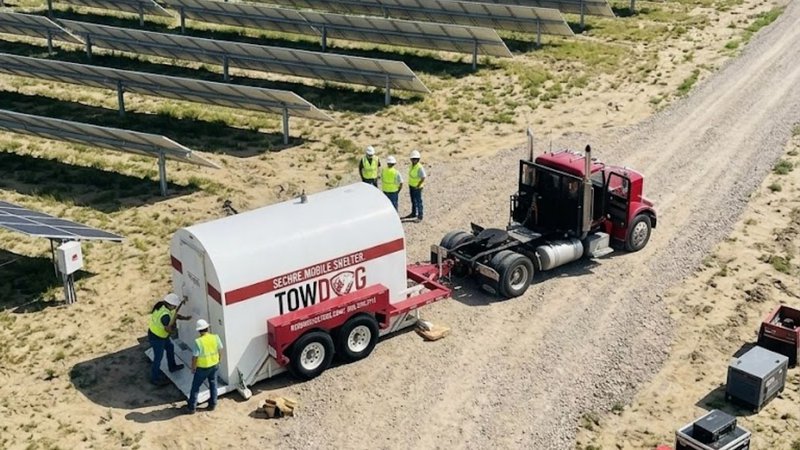
Portable storm shelters help reduce that concern because the unit can serve the project without leaving a permanent concrete footprint. Once work winds down, teams can relocate the shelter, reduce coverage, or prepare the unit for another site instead of managing leftover infrastructure.
Secure Crew Refuge Without Waiting on Concrete
Crew protection should not depend on whether a site is ready for excavation, forms, curing time, or permanent infrastructure. Portable storm shelters give safety leaders a way to place severe-weather refuge without making concrete the first step. When a project needs shelter access sooner, foundation-free design can help teams stay focused on readiness instead of site construction.
Above-ground units can support demanding worksites without concrete foundations or mechanical anchoring. Temporary projects, remote operations, and phased work gain a practical shelter option without unnecessary setup delays. Discuss foundation-free storm shelter coverage with Red Dog Mobile Shelters before your next active jobsite needs protection.