
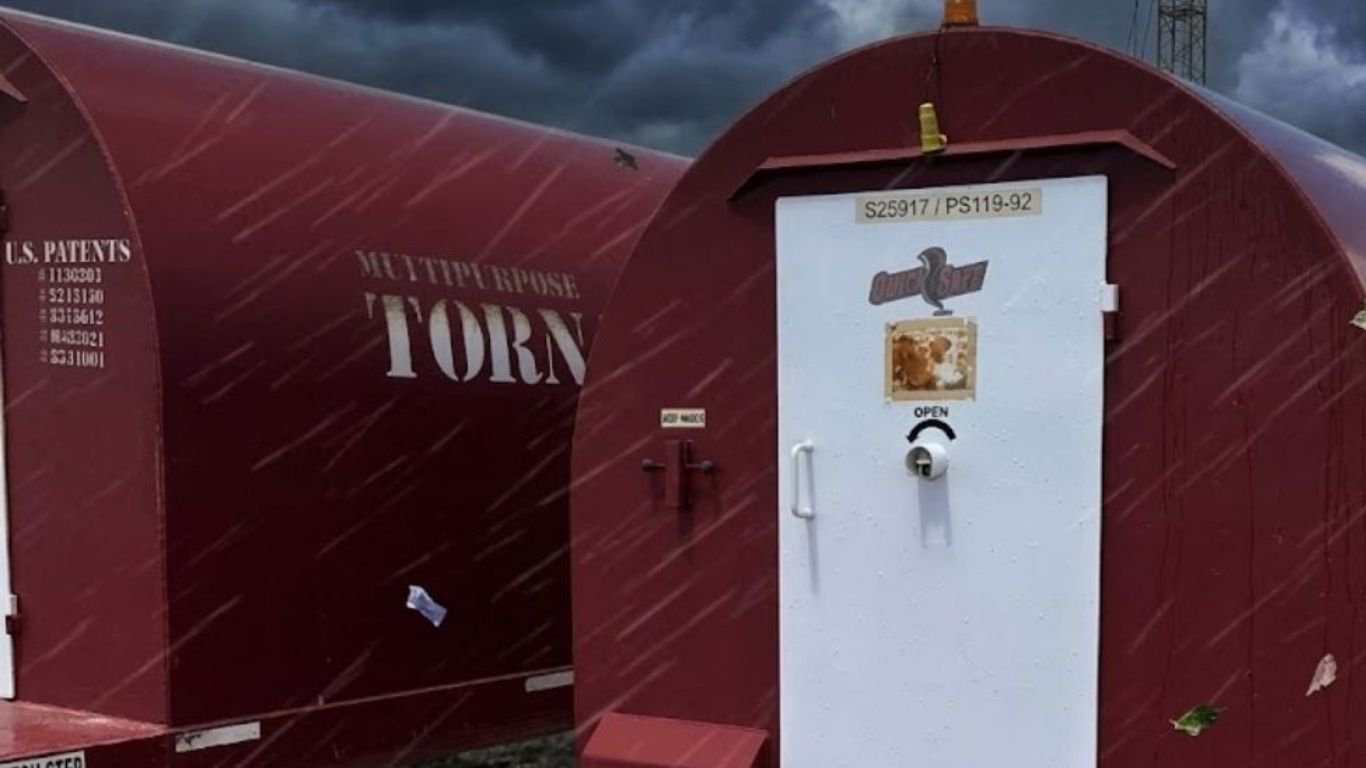
Storm season planning often starts with a search for underground storm shelters for sale near your site. Crews need real protection fast, and every option comes with its own trade-offs. A clear comparison helps you weigh speed, safety, and long-term flexibility before you buy.
In-ground units still work well for many homes and small standalone buildings today. Above-ground alternatives now match that same level of protection without months of site work. Job site leaders deserve a clear, side-by-side look before they commit to either path.
What Is the Best Alternative to Underground Storm Shelters for Sale?
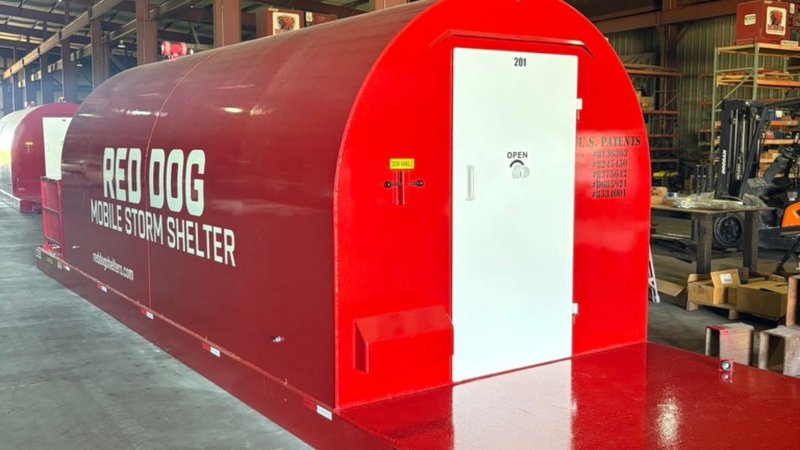
A mobile above-ground shelter is the strongest alternative, built to the same Federal Emergency Management Agency (FEMA) rating. It skips excavation and concrete work entirely, so crews can deploy it in days. You also get full mobility, letting the shelter move as your project changes.
Why Underground Storm Shelters for Sale Take Longer to Install
Crews shopping for underground storm shelters for sale often face a long install timeline. Excavation crews also dig a deep pit, pour concrete, and wait for it to cure. Permitting adds more delay, since many counties require inspections before backfill can start.
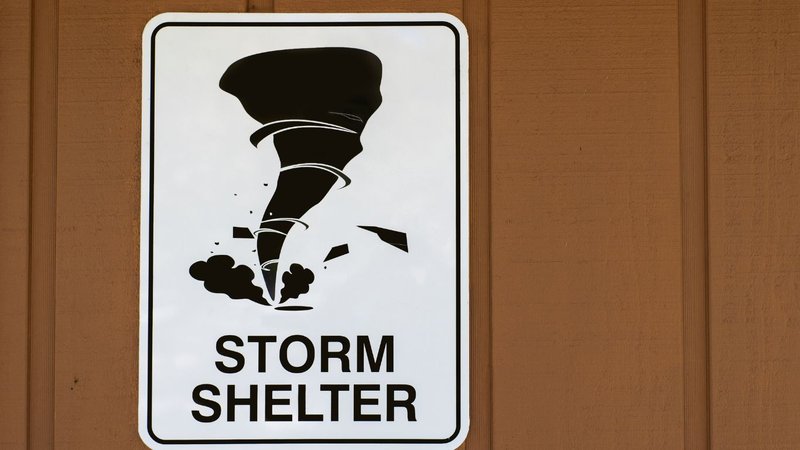
Weather does not wait for paperwork, and job sites need coverage right away. An above-ground unit skips the dig entirely, so it arrives ready to use on site. Red Dog's trained drivers set a shelter down with a winch truck in hours.
Lead times from our yards run as fast as 24 to 48 hours. Such speed matters most when a storm system is already forming close to your crew. You avoid soil surveys, water table checks, and drainage plans with an above-ground shelter. In fact, a faster setup cuts weather-related delays across a busy job site. Faster deployment keeps your crew protected without months of waiting on outside contractors.
How Above-Ground Shelters Meet the Same Storm Protection Standard
Above-ground units now meet the same wind and debris rules that underground storm shelters for sale must pass. Testing follows two standards: FEMA P-361 and the National Storm Shelter Association (NSSA). Both groups test for wind speed, flying debris, and door strength under real storm loads.
Independent testing matters, because paperwork alone cannot prove real-world storm performance to buyers. A certified build also tends to satisfy insurance and risk teams much faster.
Why Vacuum Tubes Create a Pressure Differential, Not Suction
Two vacuum tubes sit inside the curved roof and create a pressure differential against the ground. The force is passive and self-energizing, so it grows stronger as wind speed rises. A pressure-based hold like this needs no seal, pump, or moving parts at all.
No mechanical anchoring or foundation work stands between your crew and full protection. You can review the full storm shelter testing standards before you compare options. In turn, that record gives your safety team solid proof for any audit.
Facility managers often ask how a passive system holds up in real storms. Field reports show the same steady hold, since wind force increases the grip. Such reliability gives safety directors one less variable to track during storm season.
Long-term flexibility often decides the winner between underground storm shelters for sale and mobile units. A buried unit stays fixed once the concrete cures and the site closes in. An above-ground shelter, on the other hand, adjusts as your project moves forward.
| Factor | Above-Ground Storm Shelters | Underground Storm Shelters |
|---|---|---|
| Installation | Skips anchoring and foundation work completely | Requires a concrete pad and anchoring before use |
| Adding or removing units | Your crew can add units as headcount grows and remove them as work winds down | Fixed in place once poured |
| Site coverage | Units spread across a large site, so workers reach a nearby weather shelter fast when storms build quickly | Tied to one location |
| Mobility | You can move a shelter yourself, or Red Dog can send a winch truck instead | Cannot move once the concrete cures |
| Added uses | Also works as a lightning-safe room and a muster point during drills | Limited to its original purpose |
| If the site plan changes | Travels with the project to its next location | Forces owners to abandon the shelter or pay for a full rebuild |
Such flexibility matters most on multi-year builds where crew counts shift throughout the schedule. Since transport stays simple, you can learn more about how shelters get moved between sites.
Underground units, once poured, cannot move if a site plan changes later on. Such a gap forces owners to abandon a shelter or pay for a full rebuild. An above-ground option protects your crew today and travels with the project tomorrow.
Ready to Skip the Dig and Compare Shelter Options?
Choosing between underground and above-ground protection comes down to timeline, mobility, and long-term fit. A buried option can work, but it locks your budget into permits and excavation. An above-ground unit gets your crew covered fast, without digging into your schedule.
Pricing depends on your site, unit count, and how long you plan to keep it. Our team can walk you through every option once we know your project details. Reach out to our team today to compare shelters and find your fit.
Leave a Reply