

Temporary job sites often face severe weather risks. Construction projects, drilling operations, and infrastructure work frequently occur in tornado-prone regions. Safety planning must include a reliable refuge for crews during dangerous wind events. Many organizations consider in-ground storm shelters because below-grade protection has a long history.
Temporary lease sites operate under different constraints. Land access may last only months or a few years. Infrastructure investments must remain practical within that limited timeline. Several factors can make underground shelters difficult to justify in these environments. Understanding these challenges helps safety leaders evaluate more adaptable protection strategies.
Land Use Restrictions and Lease Agreements for In-Ground Storm Shelters
Lease agreements often limit permanent construction. Property owners may restrict excavation or structural modifications. These rules protect land value and reduce restoration obligations after a project ends.
In-ground storm shelters require digging and structural reinforcement. This process permanently alters the property. Some agreements require written approval before any excavation begins.
Approval procedures can delay installation. Negotiations with landowners may take weeks or months. Projects that operate on tight schedules may struggle to wait for this process.
Restoration requirements can also create future responsibilities. Contracts may require the operator to remove the structure and restore the land. This obligation increases time and cost when the lease expires.
Installation Time and Construction Complexity
Temporary projects often begin quickly. Crews mobilize equipment and personnel within a short window. Safety infrastructure must match this pace.
Underground installation involves several construction steps. Excavation, grading, reinforcement, and structural placement all require coordination. Specialized machinery may need transportation to the site.
Weather conditions can complicate ground work. Heavy rain or saturated soil may delay digging operations. These delays may occur during peak tornado season.
Construction also introduces disruption. Equipment movement and excavation activity affect surrounding work zones. Busy projects must balance these tasks with ongoing operations.
A lengthy build process can leave crews without immediate protection during early project phases.
Mobility Limitations of In-Ground Storm Shelters and Changing Site Layouts
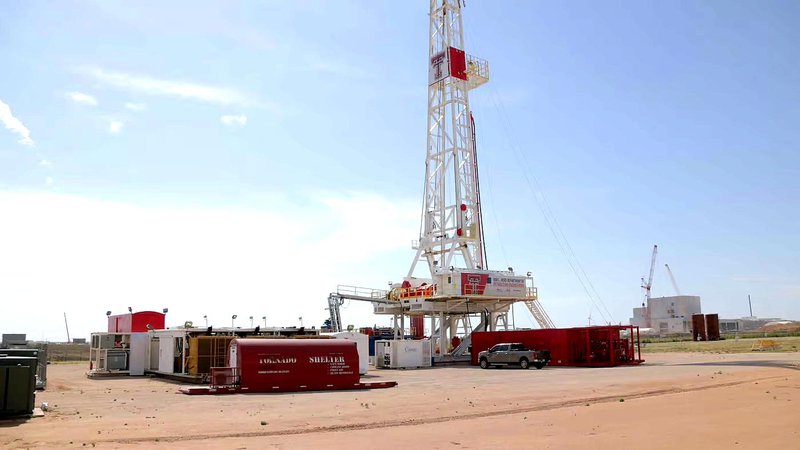
Temporary lease sites rarely remain static. Work areas shift as equipment relocates or project phases advance. Personnel may operate far from the original staging location.
In-ground storm shelters remain fixed after installation. Once constructed, relocation becomes difficult. Crews may travel longer distances as the work footprint expands.
Longer travel time reduces response speed during tornado warnings. Workers must reach the refuge quickly when severe weather develops. Distance can create hesitation or confusion during emergencies.
Mobile solutions offer greater flexibility in changing environments. Relocatable structures allow safety coverage to move closer to the workforce. This approach maintains consistent access as jobsite activity evolves.
Environmental and Maintenance Concerns
Subsurface construction interacts with soil and groundwater conditions. Some lease locations contain high water tables or unstable ground layers. These factors complicate underground installation.
Moisture intrusion presents another challenge. Groundwater pressure can force water through joints or small cracks over time. Even well-constructed shelters require monitoring and maintenance.
Temporary sites may lack resources for routine inspection. Remote environments make repairs difficult and time-consuming. A neglected underground structure can become unusable when needed most.
Drainage issues may also affect the surrounding land. Improper water management can change soil saturation or surface runoff patterns. These environmental effects can create additional restoration obligations at the end of a lease.
A Flexible Shelter Approach for Temporary Sites
Safety infrastructure should match the realities of temporary operations. Rapid deployment and mobility often matter as much as structural strength. Organizations benefit from solutions that reduce construction demands while still providing reliable protection.
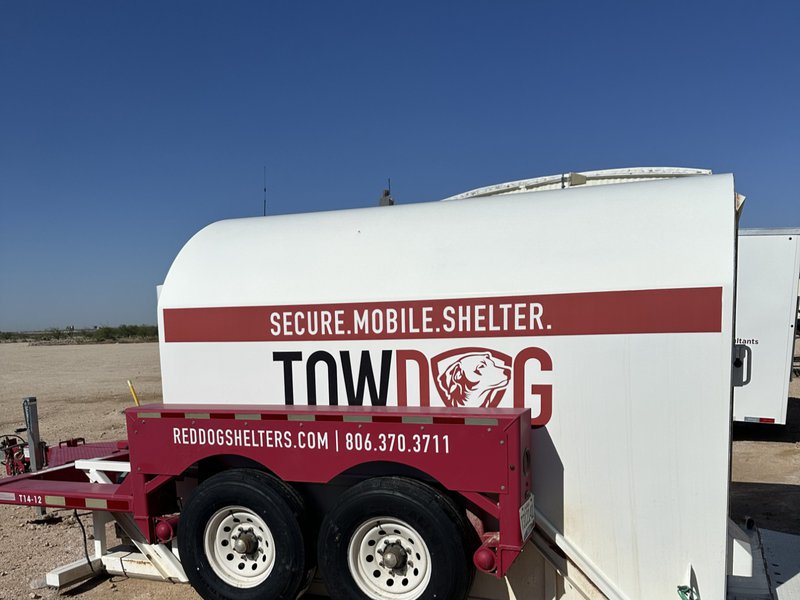
Red Dog Shelters offers above-ground tornado protection designed for changing job-site conditions. Their shelters use patented aerodynamic anchoring technology that secures the unit once placed on flat ground. Mechanical anchors or foundations are not required.
This design allows placement within minutes. Units can relocate easily as project layouts shift. Crews remain protected even as operations move across the lease area.
Each shelter is built from thick A36 steel and tested by the Texas Tech Wind Science and Engineering Research Center. A standard unit measures 35 feet long, 8.25 feet wide, and 8.25 feet high. Interior space totals 288 square feet.
FEMA standards support a comfortable capacity for 32 occupants. Oilfield environments have reported up to 54 individuals during emergencies. Ventilation meets or exceeds FEMA 320 and ICC 500 guidance with four square inches per occupant.
Interior features support daily usability. Dual air conditioners and heaters help regulate temperature. Benches, a desk, and a rapid cool-down station provide functional space for crews. Power can run from an on-site source or an operator-supplied 5kW generator.
Plan Shelter Protection That Fits Lease Site Realities
Temporary lease sites demand practical safety planning. Land restrictions, installation time, mobility needs, and environmental factors all influence the best shelter choice. Organizations must balance strong protection with operational flexibility.
Reach out to Red Dog Shelters to discuss your project duration, workforce size, and site conditions. Our team can help you evaluate shelter strategies that protect crews without creating long-term land complications.