

Data centers power today's economy, and safety directors now treat physical security as a must. You need a clear plan for data center physical security standards before storms or intruders strike. Every layer, from fences to on-site shelters, plays a role in that bigger safety plan.
Red Dog Shelters builds above-ground units that meet this standard with no foundations or bolts. You get protection built to Federal Emergency Management Agency (FEMA) standards, with a hardened muster point. Below, you'll find the standards explained, plus how a mobile shelter plan meets them.
What Are Data Center Physical Security Standards?
Data center physical security standards define how sites protect gear, staff, and access points from harm. Rules such as the Telecommunications Industry Association's ANSI/TIA-942 standard call for site risk checks and strong access control. Meeting them protects your team, your gear, and your uptime promises to clients and partners.
Why Global Data Center Physical Security Standards Keep Changing
Regulators and industry groups update these standards often, and severe weather drives much of that change. Nearly half of data center operators say they face extreme weather threats to daily operations, based on industry research. As a result, operators now build hardened sites, backup power, and extra shelter space for crews.

In fact, you can no longer rely on a five-year flood map to meet a modern risk check. The ANSI/TIA-942-C revision now requires formal risk checks and backup plans during site selection. Facility managers who ignore this update risk falling behind on data center physical security standards.
You also need a plan for construction site security trends shaping how sites get built. A shelter plan built into that layout closes gaps that fences and cameras alone cannot cover.
Aerodynamic anchoring keeps a shelter in place on flat ground, so you skip weeks of foundation work. Speed matters here, since your project timeline already runs on a tight construction schedule. Wind resistance standards for buildings give you a useful guide when you compare shelter options.
How On-Site Shelters Help You Meet Security Standards
Perimeter security only goes so far when a tornado or straight-line wind event hits your site. Your team needs a place to shelter that also meets known data center physical security standards. In turn, a Red Dog unit gives you that space, built to FEMA occupant limits for job sites.
Our cabin measures 20 feet by 8 feet, which adds up to 160 square feet inside. We rate capacity using the commercial shelter standard of 5 square feet per person. Doing that math gives the unit a rated, FEMA-aligned capacity of 32 people total.
Capacity math like this matters, since some competitors claim larger numbers under a different FEMA standard. We use the commercial 5-square-foot rule, not the smaller 3-square-foot rule made for homes.
Why NSSA and FEMA P-361 Certification Still Matter
Third-party certification from the National Storm Shelter Association (NSSA) confirms a shelter passed independent tests. You can compare NSSA and FEMA P-361 standards to see how each shelter type was tested. Still, ask any storm shelter maker for that proof before you sign a purchase or lease deal.
Integrating Data Center Security Into Your Site Plan
A hardened site plan treats shelters as part of your access control and backup plan, not an add-on. From there, you can expand the shelter footprint as headcount and construction phases change. Rapid deployment matters too, since most Red Dog units reach a site within 24 to 48 hours.
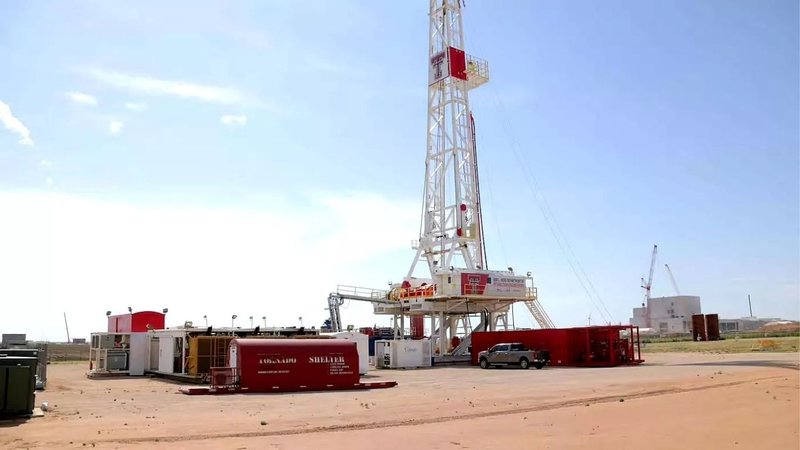
A well-planned shelter layout does more than protect people during a single severe weather event. Here is what that layout gives your crew across the life of the project.
- You skip mechanical anchoring and foundation work, since aerodynamic tubes hold the unit to flat ground.
- Your team scales the number of shelters up as headcount grows, then scales back down later.
- Spreading units across the site means crews reach cover fast when storms build quickly.
- Alternatively, you move the shelter yourself, or our winch truck crew repositions it as the project changes.
- You gain a multi-purpose safe room that doubles as a Faraday cage and emergency muster point.
Perks like these connect back to data center physical security standards built for flexible, tested protection. Facility managers who invest early see fewer surprises when auditors or insurers check the site. Your shelter plan becomes one more piece of proof that your team takes safety seriously.
Talk to Red Dog Shelters About Your Security Plan
You now have a clearer picture of how data center physical security standards apply to your site. Red Dog Shelters brings FEMA-rated, wind-anchored units to oil, gas, construction, and data center sites nationwide. Our team deploys from yards in Texas, plus sites in Oklahoma and Louisiana, often within 48 hours.
Every added shelter strengthens your backup plan and gives your crew a hardened place to wait out a storm. Pricing depends on project length and unit count, so our team explains the details in a quick call. Reach out to contact our team and build a shelter plan around your site's security needs.
Leave a Reply