
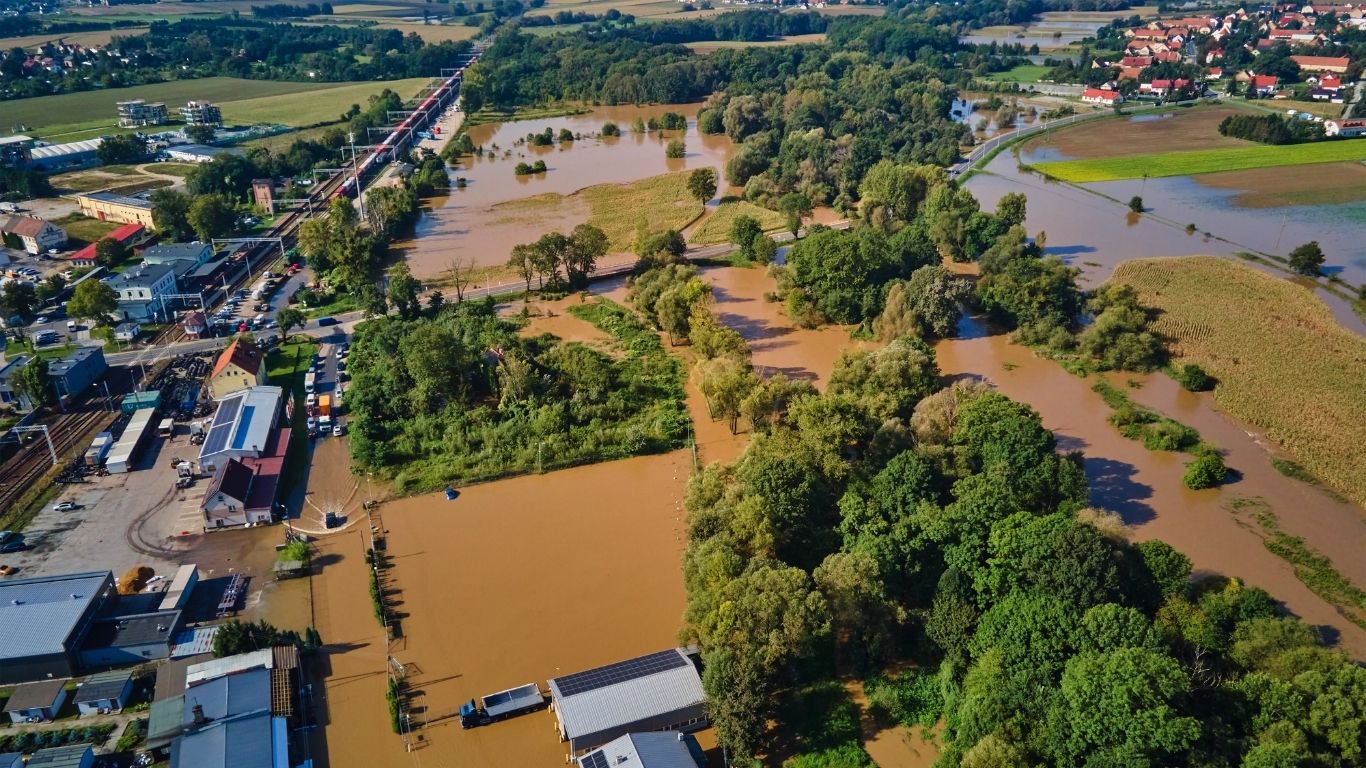
The regions most vulnerable to tornadoes across the central United States frequently face severe flooding risks. Flat terrain and high water tables combine with heavy storm runoff to saturate ground soil rapidly.
For safety directors managing remote energy, pipeline, or construction projects, selecting in-ground storm shelters introduces a severe operational hazard. Water follows gravity, meaning an underground structure can accumulate dangerous volumes during a torrential downpour.
Managing the Limitations of In-Ground Storm Shelters in Wet Terrains
Below-grade structures depend entirely on continuous drainage and active waterproofing to remain dry. High water tables exert constant hydrostatic pressure against subterranean walls even during dry seasons. This pressure intensifies rapidly during the torrential rainfall events that typically precede severe tornadic activity. Mechanical pumps fail when site power drops, and standard drainage pipes back up under heavy load. Consequently, a subterranean space can fill with water at the exact moment workers require emergency cover.
The Federal Emergency Management Agency (FEMA) safe room standards restrict shelter placement within high-risk flood hazards. This official guidance effectively removes underground options from compliant safety plans on flood-prone jobsites. Engineering modifications intended to resist water intrusion increase procurement costs and extend deployment timelines. Furthermore, specialized seals and reinforced walls require ongoing maintenance without completely eliminating structural risk during flash floods.
Heavy excavation and complex permitting turn traditional in-ground storm shelters into an operational bottleneck on remote infrastructure sites. Temporary deployments reveal clear logistical challenges when project managers use permanent underground assets. Foundation pouring delays immediate use, while a fixed location tethers safety infrastructure to a shifting project footprint. Finally, closing a temporary site requires secondary excavation crews to extract the buried asset at project completion.
Structural Performance of Above-Ground Safe Rooms
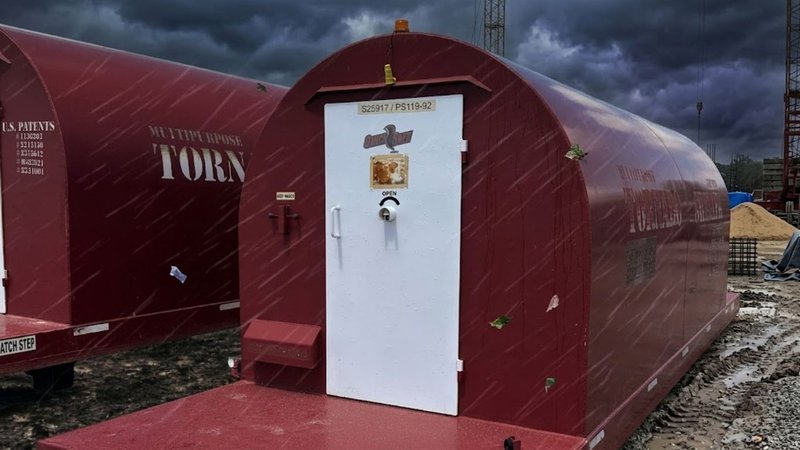
Above-ground units rated for Enhanced Fujita 5 (EF-5) weather events eliminate flood liabilities through surface-level placement. These certified structures sit directly on graded soil, bypassing subsurface water pressure and drainage dependencies. If extreme rising waters force a crew evacuation, the safety asset suffers no internal water damage. Field teams can later relocate the dry structure using standard transport vehicles instead of abandoning an expensive installation.
Red Dog Shelters designs surface units that install within five minutes on level ground without concrete foundations. Their Aerodynamic Anchoring™ design relies on natural pressure differentials to secure the perimeter during severe storms. As high-velocity winds move over the curved roof, internal vacuum tubes generate an immediate downward stabilizing force. This active downforce secures the shelter without relying on ground anchors, which easily pull free from saturated soil.
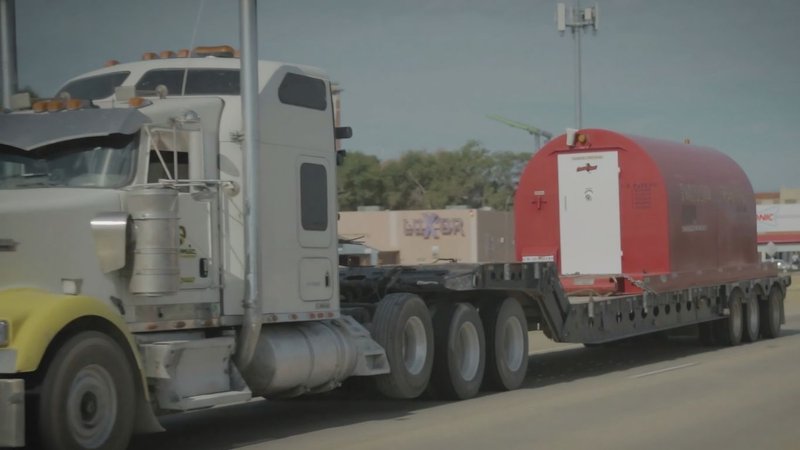
Shifting project footprints and moving crew concentrations require adaptable safety assets rather than permanent installations. Project teams can readily relocate these surface structures using standard field equipment already present on site. Alternatively, managers can coordinate a winch truck dispatch through Red Dog Shelters to shift units between active stations. Traditional in-ground storm shelters lack this mobility, forcing operators to purchase duplicate protection as work zones advance.
Deployment Logistics in Hard Substrates and Rock Layers
Saturated ground represents only one environment where surface installations outperform subterranean options. Dense rock layers and heavy caliche deposits across major energy corridors make underground excavation slow and expensive. On remote drilling sites, digging through solid substrate frequently requires specialized blasting or heavy impact equipment. The resulting excavation timeline often exceeds the actual delivery schedule of the safety hardware itself.
Occupational Safety and Health Administration (OSHA) guidelines mandate that employers establish designated shelter zones before severe weather threatens operations. When high water tables or impenetrable rock prevents excavation, surface-level placement secures clear regulatory compliance. This approach provides immediate crew protection without relying on unproven engineering modifications to unsuited formats.
Verification Standards for Commercial Safe Rooms and In-Ground Storm Shelters
Evaluating safety equipment for challenging terrain requires verifying adherence to strict structural performance metrics. Managers must confirm that any chosen hardware complies with FEMA P-361 and International Code Council (ICC) 500 standards. Independent structural engineering firms provide the necessary third-party testing logs to substantiate these ratings. Finally, safety directors must ensure the anchoring system functions independently of soil conditions that storm runoff degrades.
Red Dog Shelters coordinates rapid asset delivery to industrial projects across the country within 48 hours. Fleet vehicles position the complete units on level ground, establishing immediate operational readiness without construction delays. This efficient deployment model ensures compliance before the first crew member steps onto the site footprint.
Surface-certified units provide reliable protection where traditional in-ground storm shelters introduce major compliance liabilities. For safety directors managing lines in flood zones or rocky substrates, contact us today so we can help plan your deployment.