

When planning severe weather protection in areas with challenging landscapes, site conditions often dictate the type of shelter that can be installed. Storm shelters above ground provide a practical alternative where traditional in-ground options are difficult or impossible to deploy. Rocky terrain, shallow bedrock, or unstable soil can prevent excavation, making above-ground solutions the safer and more efficient choice.
Understanding the design, installation, and operational benefits of these shelters helps facility managers and construction teams make informed decisions. Crews can quickly position above-ground shelters and keep them fully functional while avoiding the logistical challenges of excavation in rough conditions.
Advantages of Above-Ground Storm Shelter Installation
Above-ground shelters eliminate the need for deep digging, which is often impossible on rocky terrain. Excavation in these areas can be costly, time-consuming, and may even compromise safety if bedrock or loose stone is present.
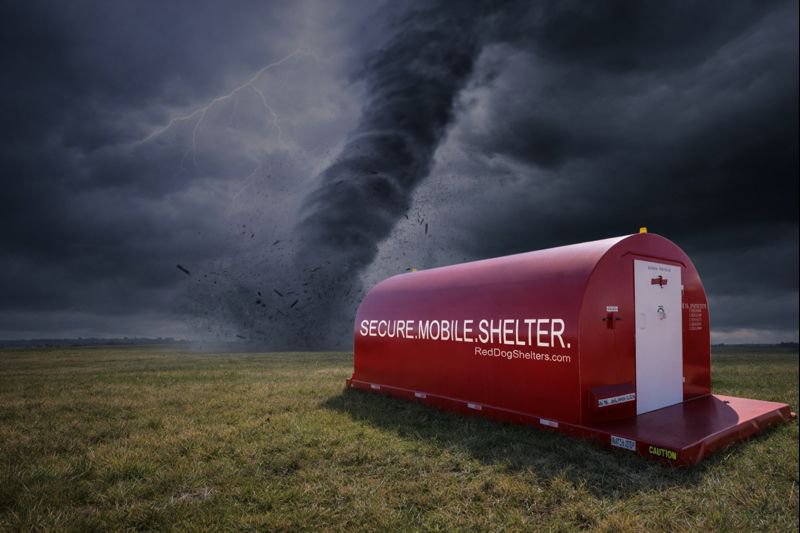
Installing a shelter above the surface avoids these obstacles while still meeting FEMA and ICC 500 standards for structural protection. This method ensures that personnel can access a secure refuge quickly without relying on extensive groundwork or site modification. Above-ground units also allow for easier inspections and maintenance compared to subterranean structures.
Storm Shelters: Above-Ground Structural Design Considerations
Storm shelters above ground are engineered to withstand high winds and debris impact despite being fully exposed. Thick steel construction, reinforced walls, and secure anchoring systems are critical to maintaining safety in extreme weather.
Special attention is given to weight distribution and aerodynamics. Properly designed shelters resist tipping, uplift, and structural compromise even in EF-5 tornado conditions. Manufacturers optimize ventilation, internal layout, and emergency access to keep occupants safe and comfortable during extended stays inside the shelter.
Mobility and Site Flexibility
Above-ground shelters offer a level of mobility that in-ground options cannot match. Crews can deliver, position, and anchor them in hours, making them ideal for temporary sites or operations that relocate frequently.
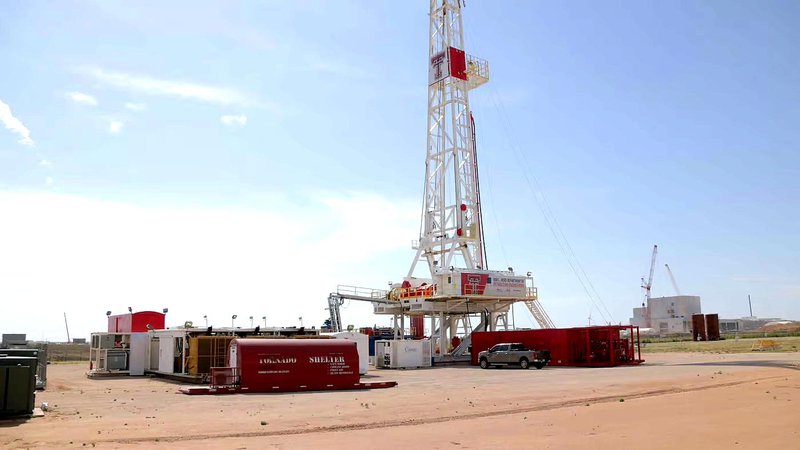
This flexibility allows companies to adapt to terrain limitations and shifting project needs without sacrificing protection. Units can also be relocated as site conditions change, making them a cost-effective and practical choice for construction, energy, and remote industrial sites.
Operational Efficiency and Maintenance
Maintaining above-ground shelters is simpler than maintaining subterranean alternatives. Inspecting structural integrity, doors, ventilation systems, and anchoring mechanisms is easier when all components are accessible.
Quick maintenance reduces downtime and ensures shelters remain ready for deployment at all times. Unlike in-ground units, there is no risk of flooding from groundwater or the need for sump systems, which simplifies operational planning.
Red Dog Shelters: Above-Ground Solutions for Challenging Sites
Red Dog Shelters specializes in providing fully engineered storm shelters above ground for sites where excavation is impractical. Their units combine rugged steel construction, rapid deployment capabilities, and certified protection against extreme weather.
These shelters can be delivered and anchored quickly using semi and flatbed winch trucks, minimizing the need for specialized equipment or extensive site preparation. For projects located on rocky terrain or temporary worksites, Red Dog Shelters offers an efficient and reliable solution to ensure personnel safety. Contact us today to explore above-ground options that meet your operational and safety requirements.