
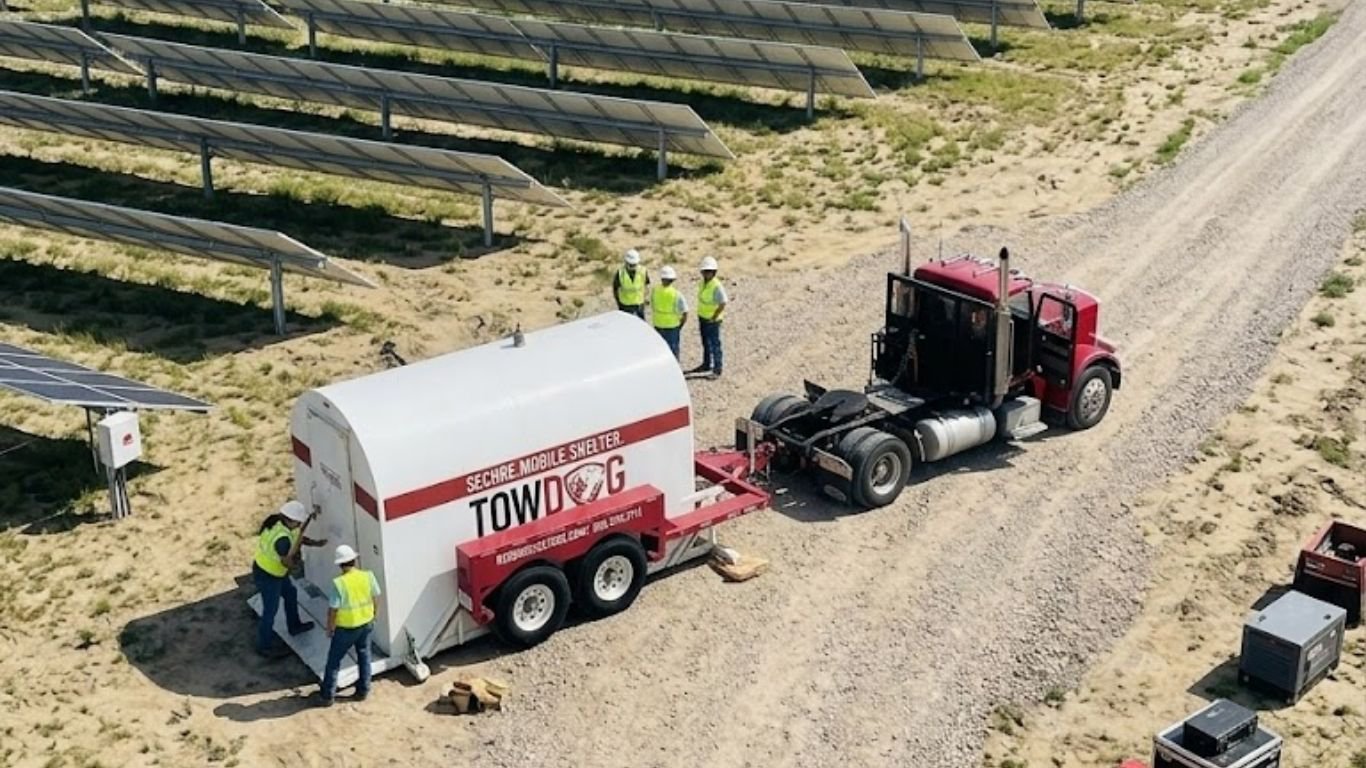
Solar energy projects often place crews across wide, exposed fields where weather can change quickly. Installers, equipment operators, electrical teams, inspectors, and site supervisors may work far from permanent buildings or protected structures. Open-terrain exposure makes severe-weather planning a central part of solar farm construction safety.
A storm shelter plan for a solar site needs to account for distance, terrain, and changing work zones. As panel installation, trenching, racking, wiring, and commissioning move across the site, crews need protection that stays close enough to reach fast. Mobile storm shelters can help safety leaders place refuge points near active work areas. Crews should not have to rely on one shelter location that may be too far away when warnings develop.
Solar Farm Construction Safety Starts With Open-Terrain Exposure
Solar sites create a different kind of severe-weather risk because much of the work happens in open fields. Crews may be installing racking, setting panels, trenching, running electrical lines, or moving between long rows with little nearby cover. When storms develop, distance and exposure become part of solar farm construction safety, not just site logistics.
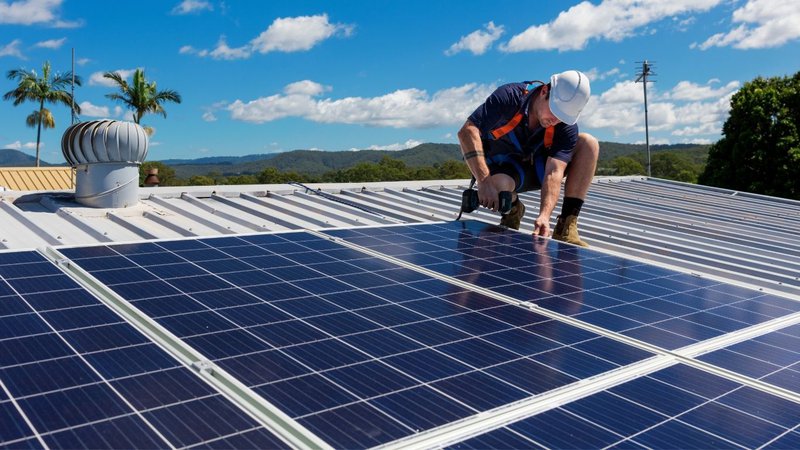
Open terrain can also make weather feel closer and faster. High winds, lightning, and heavy rain can affect crews before they have time to return to trailers, vehicles, or permanent structures. Safety leaders need a shelter plan that reflects where workers are actually positioned during each phase of construction.
Distance Can Slow Severe-Weather Response Across Solar Sites
A shelter plan can look complete on paper but still fall short in the field. On large solar projects, workers may be spread across access roads, array sections, equipment zones, and temporary staging areas. If the nearest refuge point is too far away, crews may lose valuable time once a warning is issued.
Shorter access routes make severe-weather response easier to manage. For solar farm construction safety, the goal is not only to have shelter available somewhere on site. Protection needs to be close enough for crews to reach quickly when open terrain, wet ground, or active equipment paths make movement harder.
Shelter Placement Should Follow the Active Work Zone
Solar sites can change quickly as crews move from grading and pile driving to racking, panel setting, wiring, and commissioning. A shelter layout should follow those active work zones so solar farm construction safety stays connected to where crews are actually working.
Solar safety teams should review:
- Where crews are working during each construction phase
- How far workers are from the nearest shelter point
- Whether mud, equipment, or site roads could slow access
- When shelters should move as installation areas shift
This review helps safety leaders avoid relying on one fixed refuge point for a site that keeps changing. When shelter placement follows the work, crews have a clearer path to protection during fast-moving weather.
Mobile Shelters Support Solar Farm Construction Safety as Crews Move
Mobile shelters give solar project teams a practical way to keep protection near exposed crews. Instead of waiting for permanent structures or relying on distant trailers, safety leaders can place shelter units closer to active array sections, staging areas, or equipment zones.
Mobility matters because solar construction moves in phases. As crews shift from one section of the site to another, shelter coverage can shift with them instead of staying tied to an earlier work area.
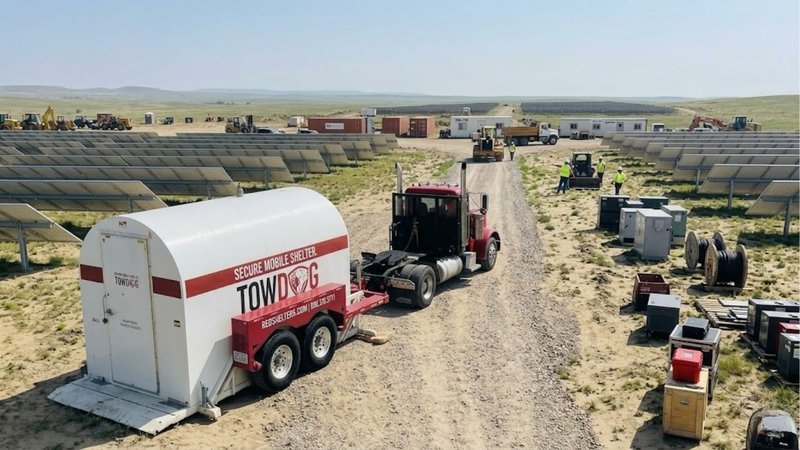
These mobile shelters also avoid mechanical anchoring and foundation work. Once placed on suitable flat ground, they can serve the site without excavation, concrete, or fixed installation delays, which can support solar farm construction safety on large, fast-moving projects.
Scalable Coverage Helps Match Shelter Access to Headcount
Solar farm construction rarely keeps the same crew size from start to finish. Grading, pile driving, racking, panel installation, electrical work, and commissioning may each require different staffing levels. Shelter coverage should match those changes so solar farm construction safety reflects the number of people exposed during each phase.
Scalable mobile shelter coverage gives safety leaders more flexibility as the project changes. Teams can add units when headcount increases, then reduce coverage as work winds down or fewer crews remain on site. This approach keeps severe-weather protection practical without overcrowding the layout or leaving exposed workers too far from shelter access.
Place Severe-Weather Protection Where Solar Crews Need It
Open terrain gives solar crews fewer built-in protection points when severe weather develops. A stronger shelter plan should account for where crews are working, how quickly they can reach refuge, and how the site layout changes from one construction phase to the next. When protection stays close to the work, solar farm construction safety becomes easier to manage during sudden alerts.
Mobile shelters can also serve more than one field-safety purpose. They can function as storm refuge points, emergency muster locations, and practical safe rooms when crews need a defined place to regroup. Review your solar site layout with Red Dog Mobile Shelters and place protection where exposed crews can reach it quickly.