
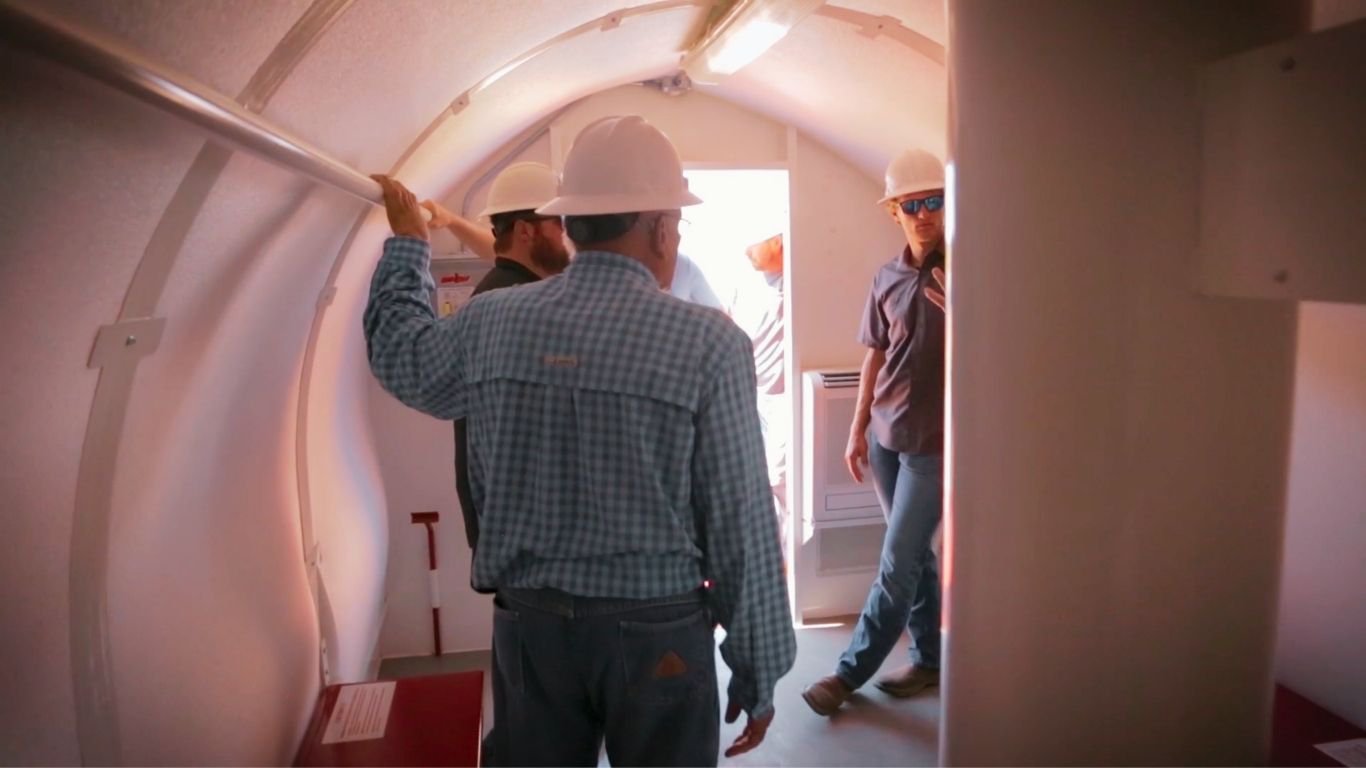
Some projects do not fit neatly into a standard shelter plan. A site may have unusual access routes, changing crew locations, limited staging space, remote work zones, or special safety requirements. A basic placement strategy may feel too narrow for those conditions. In those cases, a custom storm shelter approach can help teams plan around the project instead of forcing the project to work around the shelter.
Customization does not always mean creating something complicated. It often starts with better questions: where crews work, how fast they can reach protection, how many people need coverage, and whether site conditions will change over time. When teams answer those questions early, the shelter plan can better fit the people and operations it needs to protect.
A Custom Storm Shelter Starts With the Project, Not the Product
A strong shelter plan should begin with the conditions crews face every day. Site layout, access roads, crew size, work phases, equipment movement, and weather exposure all shape shelter coverage. A custom storm shelter approach starts by looking at those details before deciding where protection belongs.
Two projects can have the same headcount but very different safety needs. One site may spread crews across a wide footprint. Another may have tight access, temporary staging areas, or work zones that shift by phase. The shelter plan should reflect those differences instead of using the same layout for every job.
When the project comes first, the shelter becomes part of the site strategy. Safety leaders can think through access, response time, placement, and future changes before the unit arrives. The plan becomes easier to explain, easier to use, and better aligned with real field conditions.
Standard Shelter Plans Can Miss Complex Site Requirements
Standard shelter plans can work well for simple sites, but complex projects often need more review. Large footprints, restricted access points, remote work areas, multi-contractor activity, and phased operations can create gaps in a basic plan.
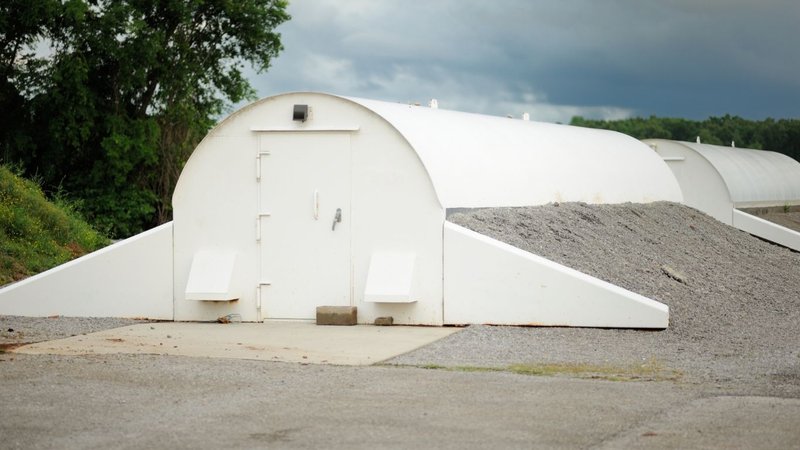
A custom storm shelter plan helps safety teams account for those gaps before they become problems during a weather event. Instead of focusing only on unit count or general capacity, the planning process looks at crew movement and exposure points. It also reviews what the site needs to support safer response.
Custom Storm Shelter Planning Should Account for How Crews Actually Work
A shelter plan should reflect the way crews move through the site, not just the number of people on the roster. Shift changes, contractor schedules, equipment paths, and active work zones can all affect where protection needs to be placed.
A custom storm shelter approach helps safety teams plan around those work patterns. When crews know where to go and supervisors can account for people quickly, the shelter becomes easier to use during an alert.
Site Constraints Should Shape the Shelter Strategy
Some projects come with limits that standard plans do not fully address. Tight access roads, uneven ground, utility areas, equipment staging, temporary fencing, or restricted movement can all affect shelter placement.
A custom storm shelter plan should account for those constraints before the unit arrives. Early review of site access, clearance needs, surface conditions, and future movement helps safety leaders avoid placement issues that could slow readiness.
A Better Fit Can Reduce Safety Gaps Across Project Phases
Project needs can change as work moves from one phase to the next. A shelter plan that fits early site activity may not support the same level of protection once headcount grows, work spreads out, or crews move into a different area.
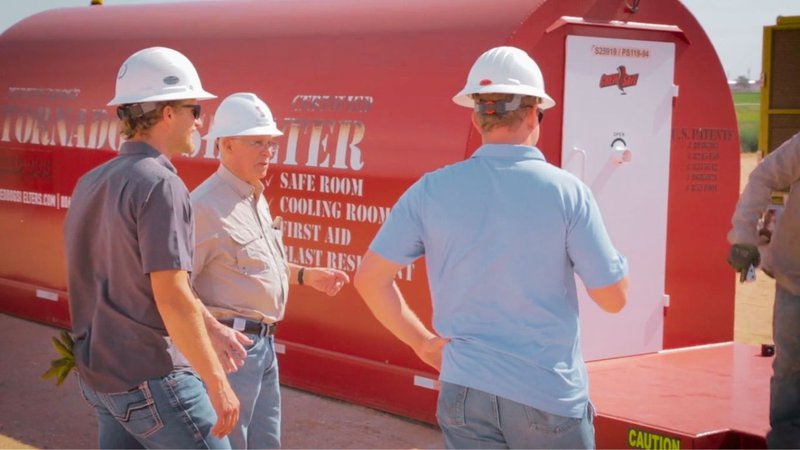
A custom storm shelter strategy helps safety leaders adjust the plan without starting over. Teams can revise unit count, location, and coverage as project requirements change, keeping protection aligned with real exposure instead of an outdated site plan.
A better fit can reduce gaps between planning and daily field conditions. When shelter coverage follows the project’s actual needs, teams are less likely to depend on a plan that made sense months ago but no longer reflects the work happening now.
Shape a Custom Storm Shelter Plan Around Real Conditions
A custom plan should make shelter decisions easier to defend, explain, and use in the field. When teams review site constraints, crew movement, access routes, and project phases early, safety leaders can avoid forcing a standard layout onto a project that needs more careful planning. A custom storm shelter approach gives teams a better way to match protection to real risks instead of relying on assumptions.
A more tailored planning process helps teams evaluate shelter coverage around the conditions that make each project different. From changing headcount to restricted access and phased work, the goal is to create a plan that supports crew safety without adding unnecessary complexity. Start custom shelter planning with Red Dog Mobile Shelters and align protection with the way your project actually operates.