
Data center construction safety is more complex than most industrial projects. The crews building these facilities face standard site hazards, plus one that often goes under-planned: open-field exposure to severe weather. Unlike a finished building, an active construction site offers no permanent shelter. Workers are exposed throughout every phase, from groundbreaking through structural closeout.
Getting this right requires more than a general safety program. It requires planning that accounts for the specific conditions these sites create.
Core Safety Practices for Data Center Job Sites
Strong data center construction safety programs share several consistent elements. Each one addresses a different layer of risk.
Severe Weather Protocols and Shelter Infrastructure
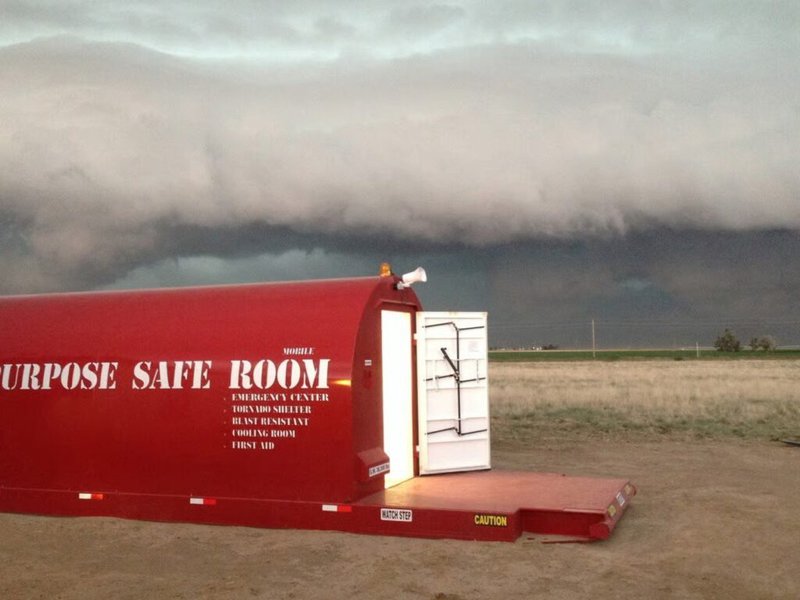
Warning time during a tornado event can be just minutes. A crew spread across a large site cannot safely shelter in vehicles or run to a nearby structure in time.
A clear severe weather response plan requires:
- Designated shelter locations within reach of every active work zone
- A reliable warning system, including weather monitoring and an audible site alarm
- Documented evacuation procedures with assigned roles for crew leads and superintendents
- Regular drills so workers know exactly where to go without hesitation
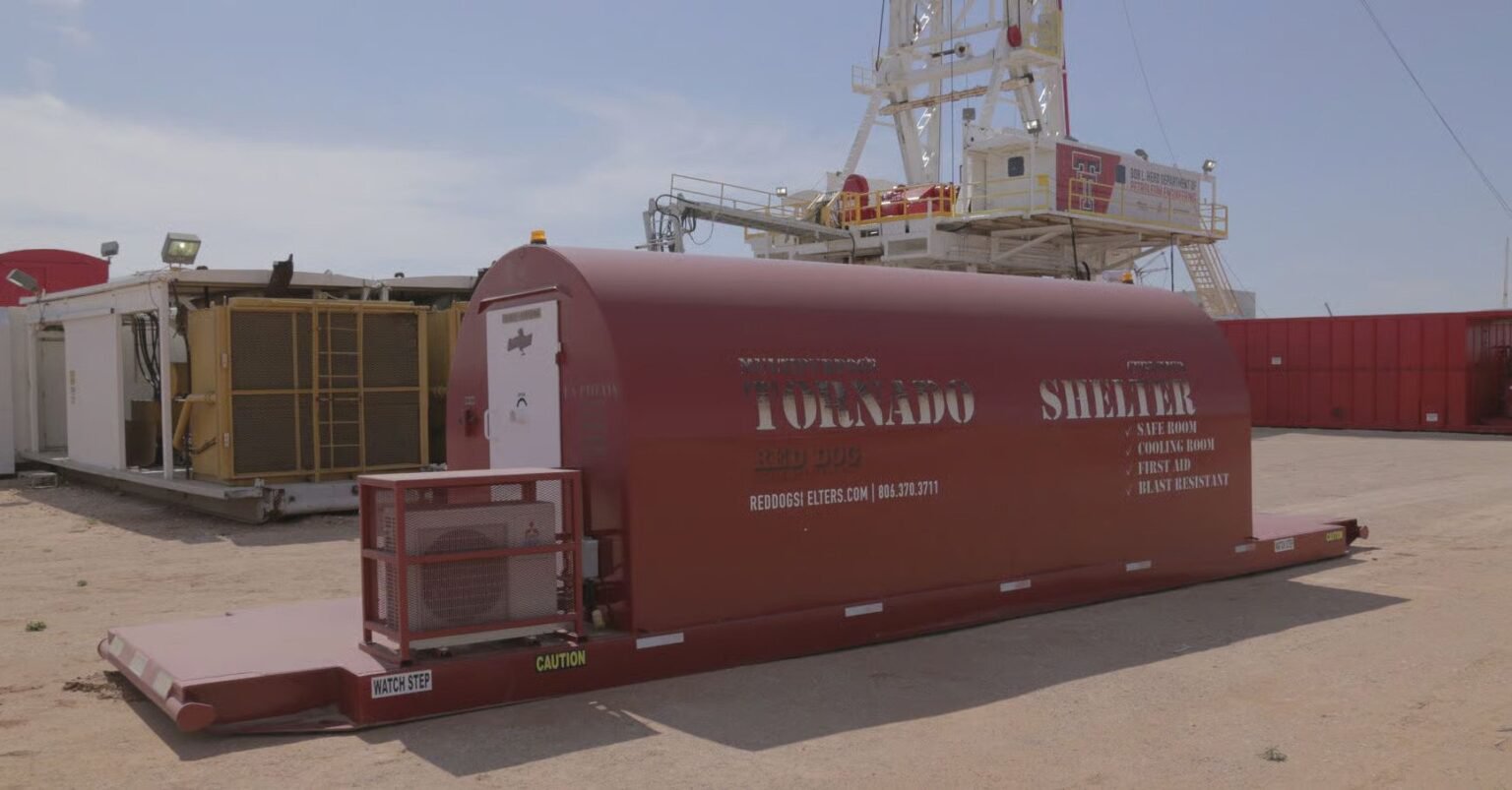
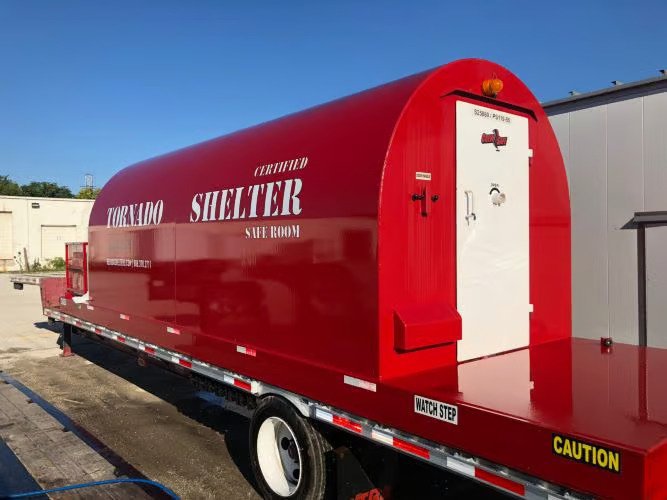
The shelter infrastructure matters as much as the plan itself. Above-ground certified storm shelters can sit across a large site and move as work zones shift. They require no excavation or foundation work, and a winch truck can transport and reposition a unit in a matter of minutes as the project layout changes.
Hazard Communication and Site Orientation
Every worker, including short-term contractors, needs a site-specific safety orientation before starting work. General awareness of company policy is not enough. Orientation should cover:
- Weather response procedures and shelter locations
- Communication channels for weather alerts and all-clear signals
- Access routes in and out of the site during an evacuation
- Emergency contacts and muster point locations
Turnover on construction sites is constant. Orientation programs need to keep pace with the workforce, not just run once at project launch.
Equipment and Fall Protection Standards
Data center construction involves structural work at height, crane operations, excavation, and electrical installation. Fall protection, equipment inspection, and lockout/tagout procedures apply here as they do on any industrial site. The difference is scale and pace.
When multiple subcontractors work in the same zone, enforcement requires active coordination. Site superintendents should run regular documented safety walks. Informal checks are not enough when hundreds of workers are active across multiple zones simultaneously.
Matching Shelter Capacity to a Growing Workforce
One of the harder practical problems in data center construction safety is scaling protection as the workforce changes. Crew size during site preparation looks very different from crew size during peak structural installation.
Consider a concrete example. A site with 20 workers in early phases may grow to 150 during peak construction. A single shelter unit at the site trailer may have worked initially. It will not work once the crew has expanded and the active work zone has spread.
Above-ground storm shelters solve this directly. Project teams can add units as headcount grows and reposition them as work moves across the site. For most construction projects, leasing is the more practical path. It lets teams scale shelter capacity up or down as the crew grows and the project winds down, without locking into a long-term asset purchase.
Multi-Purpose Use Extends Shelter Value
Certified storm shelters on a construction site do more than protect during tornadoes. On job sites in extreme climates, they serve additional functions that improve crew welfare day to day:
- Heat and cold relief: Rapid cool-down stations inside the unit help workers manage heat stress during summer months, a significant occupational hazard on exposed sites.
- Muster points: Shelters serve as designated assembly areas during any site emergency, not just severe weather.
- Lightning protection: When a storm brings heavy lightning but not tornado-level winds, an enclosed steel shelter protects workers caught in the open.
This multi-purpose functionality makes certified shelters a stronger line item in a safety budget. Safety directors can show tangible value across multiple risk scenarios, not just tornado response.
Compliance and Certification Standards
Data center projects involve large institutional clients, insurance requirements, and general contractors with strict subcontractor safety standards. A safety program built on informal practices or uncertified equipment will not hold up under review.
Storm shelters on construction sites should meet FEMA 361 and ICC 500 standards, with individual engineer certification on each unit. A storage container or repurposed shed does not meet those standards and does not provide equivalent protection during an EF-level tornado event. These are not formalities. They document that the shelter was designed, tested, and certified to perform under real conditions.
Red Dog Shelters for Data Center Construction Sites
Red Dog Shelters builds above-ground storm shelters for the conditions that data center construction sites create: open terrain, shifting work zones, aggressive schedules, and variable crew sizes. Units deploy without mechanical anchoring or foundation work. Crews can reposition them with a winch truck as the project evolves. Every unit meets FEMA 361, ICC 500, and NSSA standards.
Each Big Dog unit holds 32 or more personnel in 288 square feet of interior space. It includes dual HVAC, emergency lighting, and a 128 dB alarm system. Teams can distribute multiple units across a large site to cut response time for workers in different zones.
If your project is in the planning or mobilization phase, contact Red Dog Shelters to discuss shelter placement, leasing options, and deployment logistics for your site.