

Severe weather preparedness requires a clear understanding of the protective structures designed to safeguard people during dangerous storms. Unfortunately, casual terminology sometimes creates confusion about what these structures truly represent. One common example involves the phrase “tornado shed.”
At first glance, the term may sound harmless. Many individuals use it informally to describe a small structure that provides refuge during a tornado warning. However, the phrase can unintentionally minimize the engineering, safety standards, and structural integrity required for true tornado protection.
Mislabeling a certified shelter as a simple storage-style structure can lead to misunderstandings about what level of protection is necessary. When workers or property owners assume that any reinforced building or metal enclosure qualifies as adequate safety equipment, crews may face serious risk during severe storms.
Understanding why terminology matters helps organizations make informed decisions about protective infrastructure. Accurate language encourages the use of properly engineered solutions rather than improvised alternatives that cannot withstand extreme weather.
Tornado Shed Language Influences Safety Expectations
Words shape how people perceive risk and safety. When individuals hear the phrase “tornado shed,” they typically imagine a lightweight outdoor structure used for storage. Garden tools, lawn equipment, or small utility items are often kept in these simple buildings.
Such structures are not designed to resist the violent forces generated during tornado events. Thin walls, basic framing, and limited anchoring cannot protect occupants when wind speeds exceed hundreds of miles per hour.
Referring to a tornado-safe room as a tornado shed may unintentionally lower expectations for structural performance. Workers who believe a small storage-style enclosure provides adequate protection may enter a space that lacks the engineering required for survival during a severe storm.
Clear terminology reinforces the seriousness of tornado safety planning. A properly engineered shelter represents a specialized safety system rather than a simple storage building.
Tornado Shelters Require Advanced Engineering
True storm protection structures undergo rigorous design and testing before they are considered safe for occupant use. These units must withstand intense wind pressure, rapid atmospheric changes, and high-velocity debris impacts.
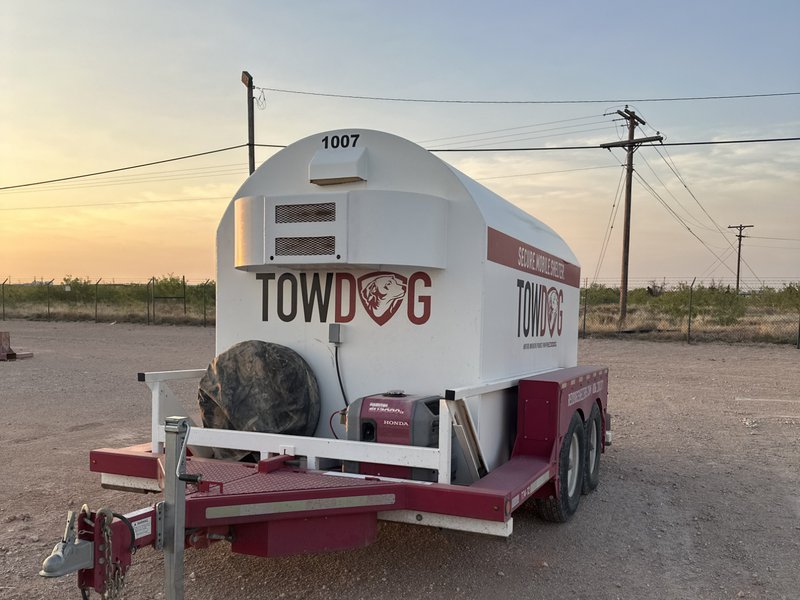
Engineers rely on heavy steel construction, reinforced joints, and carefully calculated structural geometry to achieve these performance standards. Every component must work together to resist extreme force while maintaining interior integrity.
Research facilities such as wind science laboratories often perform impact testing using projectiles that simulate debris thrown during tornadoes. Certified shelters must demonstrate their ability to withstand these impacts without allowing penetration.
Anchoring systems also play a vital role. A properly designed refuge space must remain firmly in place during violent storms. Engineers evaluate weight distribution, foundation design, and attachment methods to ensure stability under intense pressure.
Tornado Shed Misunderstandings Can Lead to Improvised Protection
Confusion surrounding terminology sometimes encourages individuals to improvise protective solutions. A reinforced container, equipment shed, or utility structure may appear strong enough to serve as an emergency refuge.
Unfortunately, appearances can be misleading. Materials that seem durable under normal conditions may fail quickly when exposed to tornado-level forces. Even minor structural weaknesses can allow wind to enter the structure and cause catastrophic damage.
Improvised solutions also lack the testing required to confirm performance. Without a verified engineering analysis, there is no assurance that the structure will protect occupants during a worst-case scenario.
Construction crews, energy workers, and remote site personnel often operate in environments where immediate shelter access is critical. Relying on improvised protection because of a misunderstood term increases risk rather than reducing it.
Certified Shelters Support Workplace Safety Planning
Organizations responsible for workforce safety must take a structured approach to severe weather preparedness. Certified shelters provide a reliable solution supported through engineering research and recognized safety guidelines.
Regulatory agencies and building codes often reference standards established through organizations such as FEMA and the International Code Council. These standards define the strength, materials, and testing required for protective structures intended for tornado events.
Employers who invest in certified shelters demonstrate a commitment to responsible safety planning. Workers gain confidence knowing that the refuge space available during an emergency has been engineered to withstand extreme conditions.
Training programs and safety drills also become more effective when personnel clearly understand where to go during severe weather alerts. Accurate terminology reinforces the seriousness of these procedures and encourages prompt action when warnings occur.
Using precise language ensures that everyone involved in emergency preparedness understands the level of protection required.
Choose Properly Engineered Protection With Red Dog Shelters
Organizations that operate in tornado-prone regions should prioritize reliable protective infrastructure for their teams. Properly engineered shelters provide the strength and safety standards necessary to withstand severe weather.
Red Dog Shelters manufactures durable tornado protection units built using thick A36 steel and tested for extreme conditions. These structures are designed to meet FEMA guidelines and provide dependable refuge during dangerous storms.
Unlike the casual idea of a tornado shed, these shelters represent carefully engineered safety systems created specifically for life protection. Reinforced construction, secure doors, and tested materials help ensure that occupants remain protected when severe weather strikes.
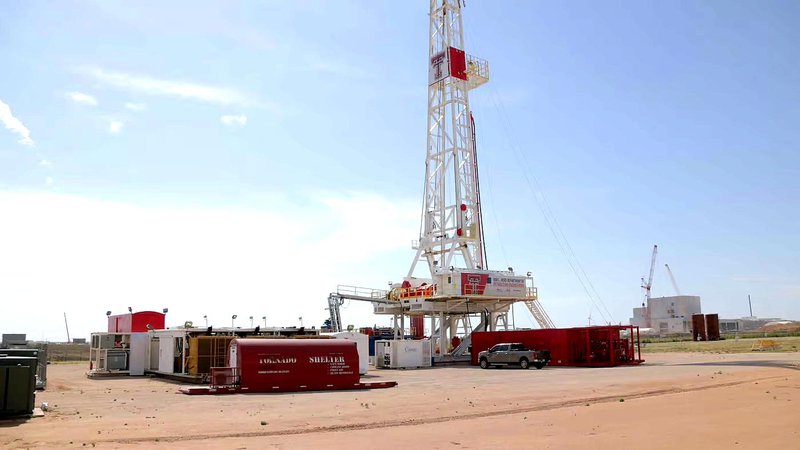
Industries such as construction, oil and gas, and infrastructure development often require portable storm protection that can move between project locations. Red Dog Shelters offers solutions designed to meet these operational needs while maintaining strict safety performance.
Strengthen Your Storm Preparedness Strategy
Effective tornado preparedness depends on an accurate understanding of protective infrastructure. Using correct terminology helps organizations recognize the difference between simple structures and certified shelters designed for life safety.
Red Dog Shelters provides storm protection systems engineered for demanding environments where workforce safety is essential. Their shelters deliver the structural strength required to protect personnel during extreme weather events.
Companies operating in tornado-prone regions should evaluate whether their current protection measures meet recognized safety standards. Contact Red Dog Shelters to learn how properly engineered shelter solutions can support a stronger emergency preparedness strategy.