

A well-engineered shelter designed for tornado resistance often contains the same characteristics required to withstand other high-impact threats. Structural strength, reinforced materials, secure entry systems, and controlled ventilation can serve multiple protective purposes. This overlap in engineering design explains why certain storm protection units can also function effectively as an above-ground bomb shelter.
Understanding how these features intersect helps organizations plan for broader emergency preparedness. Facilities that invest in strong storm protection may also gain an added layer of defense against blast pressure, debris impact, and structural shock. Exploring the core engineering principles behind these shelters clarifies why dual-purpose protection is possible.
Above-Ground Bomb Shelter: Structural Engineering Built for Extreme Force
Tornado shelters must withstand powerful wind pressure, airborne debris, and rapid atmospheric changes. Engineers, therefore, design these units with reinforced materials capable of absorbing tremendous force.
Heavy-gauge steel and strengthened framing often form the outer structure of modern protective pods. These materials resist penetration from fast-moving objects while maintaining shape during intense pressure. Blast protection also relies on similar structural resilience.
Explosive shockwaves generate rapid bursts of energy that push against surfaces with significant intensity. Shelters constructed to survive tornado-borne debris already possess strong resistance to impact. When combined with thick steel walls and reinforced joints, the structure can absorb sudden pressure without collapsing.
Structural geometry also contributes to durability. Curved or aerodynamic forms distribute force across a broader surface area rather than concentrating it on one flat point. This approach reduces stress on individual sections and allows the entire frame to share the load.
Impact-Resistant Materials Provide Additional Protection
Debris impact represents one of the most dangerous elements of tornadoes. Objects traveling at high speeds can penetrate weak structures and cause serious injury to occupants. Engineers address this threat through the use of thick steel panels and carefully tested materials.
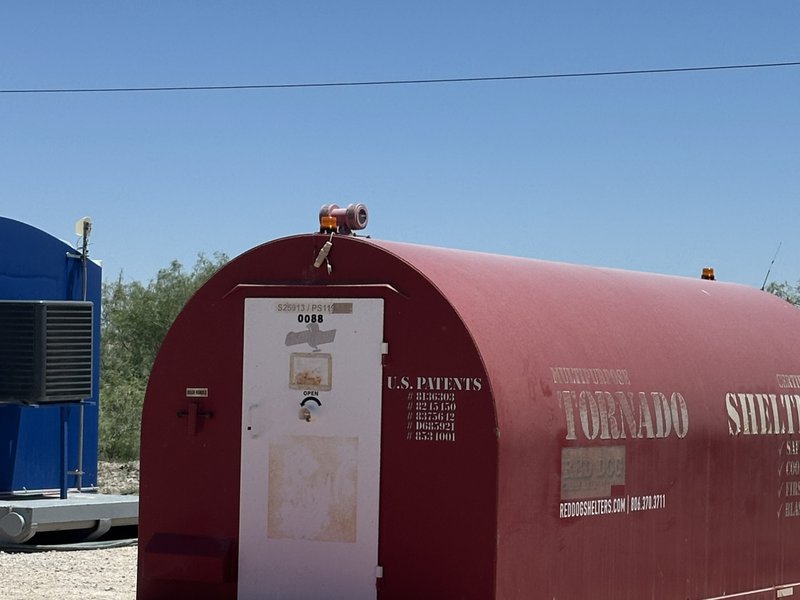
These same impact-resistant materials also provide advantages when considering blast-related hazards. Explosive events frequently propel fragments outward at extreme velocity. A structure capable of stopping tornado debris can also reduce the risk of penetration from shrapnel.
Testing programs conducted by research institutions often evaluate shelters using projectile simulations that replicate debris strikes during severe storms. Materials that successfully withstand these tests demonstrate the ability to resist similar forces generated during explosive situations.
Door assemblies also play a role in impact protection. Reinforced doors with heavy locking mechanisms help ensure the entrance remains closed during violent pressure shifts. A secure door frame prevents weak points that could allow structural failure.
Material strength, therefore, forms a critical connection between tornado protection and broader safety capabilities.
Above-Ground Bomb Shelter Anchoring Systems and Stability Under Pressure
A protective structure must remain stable when subjected to extreme forces. Tornado-resistant shelters often use specialized anchoring methods that hold the unit securely in place during powerful wind events.
Traditional anchors rely on bolts or foundations embedded in the ground. Some modern shelters also incorporate aerodynamic principles that increase downward pressure as wind speeds rise. This design creates additional stability when severe weather strikes.
Blast scenarios similarly generate powerful shockwaves that can move unsecured objects. A shelter that maintains stability during tornado-level wind pressure often possesses the mass and engineering necessary to resist displacement during sudden pressure bursts.
Weight distribution within the shelter contributes to stability as well. Balanced design prevents tipping or shifting during intense events. Engineers consider these factors carefully when creating structures intended to protect occupants from violent environmental conditions.
The result is a shelter capable of remaining firmly positioned when exposed to both natural and man-made hazards.
Ventilation and Interior Safety Considerations
Protective shelters must support safe occupancy during emergency situations. Ventilation systems, interior layout, and environmental controls all influence whether a shelter can safely accommodate people for extended periods.
Storm shelters typically include protected vent openings that allow airflow while preventing debris intrusion. These systems maintain breathable air even when occupants remain inside during a severe weather alert. Blast protection also requires similar airflow control to prevent structural pressure buildup.
Interior design plays another role in occupant safety. Seating, lighting, and emergency equipment help individuals remain organized during stressful events. Adequate interior space allows groups to enter quickly and remain sheltered until conditions improve.

Environmental control systems, such as heating or cooling, can further improve usability. When occupants feel comfortable using the shelter during drills or daily breaks, they become more familiar with the space and respond faster during emergencies.
Explore Multi-Purpose Protection With Red Dog Shelters
Organizations responsible for workforce safety often seek protective solutions that address multiple hazards. Storm shelters designed with strong structural engineering can provide valuable protection beyond tornado events.
Red Dog Shelters builds durable protective pods constructed with thick A36 steel and engineered to meet demanding safety standards. These structures are designed to resist powerful wind forces, debris impact, and extreme environmental pressure.
The robust construction that allows these units to function as tornado protection also supports their role as an above-ground bomb shelter option. Their aerodynamic design, reinforced doors, and tested materials create a protective environment capable of handling significant external force.
Facilities in energy, industrial, construction, and remote operations often rely on shelters that can protect workers from several types of emergencies. Understanding how engineering principles overlap between storm protection and blast resistance helps decision makers evaluate their safety strategy more effectively.
Strengthen Your Emergency Preparedness Strategy
Workplace safety planning requires careful evaluation of potential threats. Storm events, industrial hazards, and unexpected emergencies all demand reliable protective infrastructure.
Red Dog Shelters provides storm protection systems designed for demanding environments where strong engineering and dependable materials are essential. Their shelters offer the durability required for severe weather while also providing characteristics consistent with broader protective applications.
Organizations seeking resilient protection solutions can explore how these shelters support both tornado preparedness and additional security considerations. Contact Red Dog Shelters to learn more about integrating a dependable refuge space into your emergency planning strategy.