

Tornado season places enormous stress on protective structures designed to safeguard occupants during extreme weather. Even well-engineered refuge spaces require evaluation once the storms have passed. A thorough review confirms that the structure remains ready for the next severe weather cycle. Owners should understand that maintaining an above-ground tornado shelter after tornado season involves more than a quick visual check. Recertification verifies structural integrity, confirms compliance with safety standards, and restores confidence for employees or residents who may depend on that protection.
Proper post-season assessment helps detect hidden problems before another emergency occurs. Components exposed to high wind, debris impact, moisture, or temperature swings may experience gradual wear. Addressing those issues early helps preserve reliability and extends the life of the protective structure.
The following guidance outlines how organizations and property managers can approach recertification in a systematic and responsible manner.
Inspect Above-Ground Tornado Shelter Structural Integrity and Exterior Surfaces
The first stage of recertification focuses on the exterior shell and supporting frame. Tornadic wind forces can place intense pressure on walls, doors, seams, and mounting points. Even if a storm did not strike directly, airborne debris or shifting ground conditions may still affect performance.

Begin with a careful visual survey of all external panels. Look for dents, cracks, corrosion, or distortion in metal surfaces. Minor cosmetic marks may not compromise protection, yet deep impacts or bending could weaken the structural envelope.
Door assemblies deserve particular attention. Hinges, locking mechanisms, and sealing surfaces must function smoothly without resistance. Any misalignment may prevent the entrance from closing securely during an emergency.
Fasteners, bolts, and welded joints should also receive evaluation. Loose hardware or damaged welds can reduce the structure’s ability to resist extreme wind forces. Qualified maintenance personnel or structural technicians can tighten components and verify that connections remain stable.
Evaluate Above-Ground Tornado Shelter Interior Systems and Safety Features
Internal elements play an important role in occupant protection. Ventilation openings, seating areas, lighting systems, and emergency supplies must remain in working condition for the shelter to serve its intended purpose.
Vent ports should remain clear of dust, insects, or debris accumulation. Blocked airflow can create discomfort or breathing difficulties during extended occupancy. Cleaning these openings supports healthy air circulation during storm warnings.
Electrical equipment also requires verification. Lighting units, outlets, and backup power connections should activate correctly when tested. Reliable illumination helps occupants remain calm and organized when conditions outside become dangerous.
Seating and interior fixtures deserve inspection as well. Bolted benches or wall-mounted components must remain firmly attached. Loose fittings could become hazards if sudden movement occurs during a severe weather event.
Confirm Compliance With Safety Standards
Many protective structures follow specific guidelines issued through organizations such as the Federal Emergency Management Agency and the International Code Council. These standards define testing requirements, structural strength criteria, and occupant capacity recommendations.
Recertification may involve reviewing the original installation documentation to ensure the shelter still meets those benchmarks. Changes in building codes or updated safety practices may also require adjustments.
Professional inspection services can provide valuable support during this phase. Engineers or certified inspectors possess the expertise needed to verify that materials, fasteners, anchoring methods, and structural geometry remain compliant with recognized guidelines.
Documentation produced during this process serves an important purpose. Inspection records demonstrate due diligence and responsible maintenance. These reports can assist with insurance verification, workplace safety programs, or regulatory compliance requirements.
Address Repairs and Preventive Maintenance
Any issues discovered during inspection should receive prompt attention. Small defects rarely improve on their own, and ignoring them can lead to more complicated repairs later.
Surface corrosion should be cleaned and treated with protective coatings to prevent spreading. Damaged seals or gaskets around doors and ventilation openings should be replaced so the structure remains weather-resistant.
Lubricating hinges, locks, and mechanical components helps maintain smooth operation. Moving parts that receive regular care tend to last longer and function reliably when an emergency arises.
Preventive maintenance also includes clearing the surrounding area. Objects stored too close to the shelter may obstruct entry during a storm warning. Keeping the immediate vicinity free of clutter allows occupants to access the structure quickly.
Partner With Trusted Shelter Specialists
Recertification becomes much easier when property owners work with experienced shelter providers. Companies with expertise in storm protection understand the structural demands placed on these units and can recommend appropriate inspection practices.
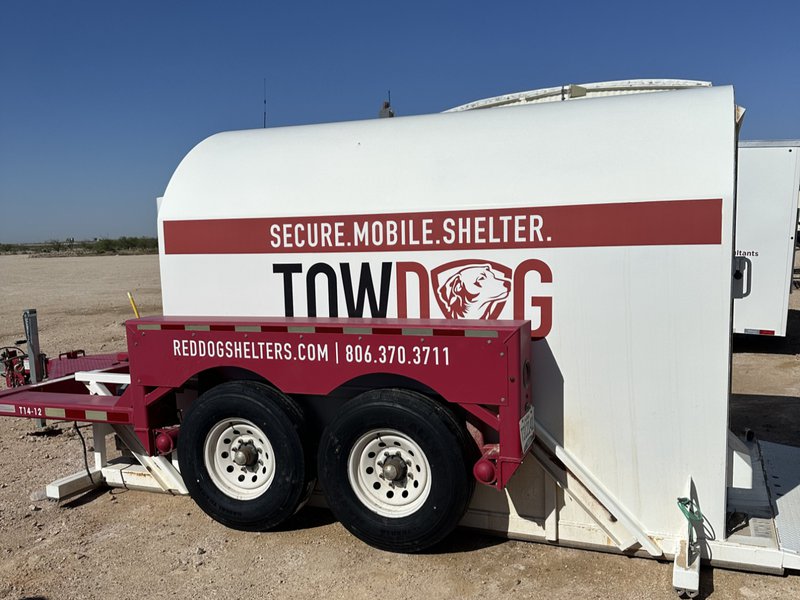
Red Dog Shelters designs above-ground protective systems built to withstand extreme wind events. Their shelters are constructed using heavy steel and engineered to meet rigorous FEMA standards for occupant safety.
Professional guidance from the Red Dog Shelters team can help organizations evaluate the condition of an above-ground unit following severe weather seasons. Inspection support, maintenance recommendations, and recertification guidance help ensure that each structure continues providing dependable protection.
Facility managers, construction leaders, and property owners who want confidence in their storm protection strategy should consider consulting specialists who understand tornado safe room engineering.
Keep Your Shelter Ready for the Next Storm
Tornado preparedness requires more than installing a protective structure. Regular evaluation ensures that a shelter remains capable of protecting lives when extreme weather strikes again.
Red Dog Shelters offers durable above-ground solutions designed for demanding environments such as industrial sites, energy operations, and commercial facilities. Their expertise can assist with inspection practices and long-term safety planning.
Organizations that want dependable storm protection should review their shelter status following tornado season and take steps toward proper recertification. Contact Red Dog Shelters to learn how their team can help maintain a reliable refuge space for your workforce or community.