
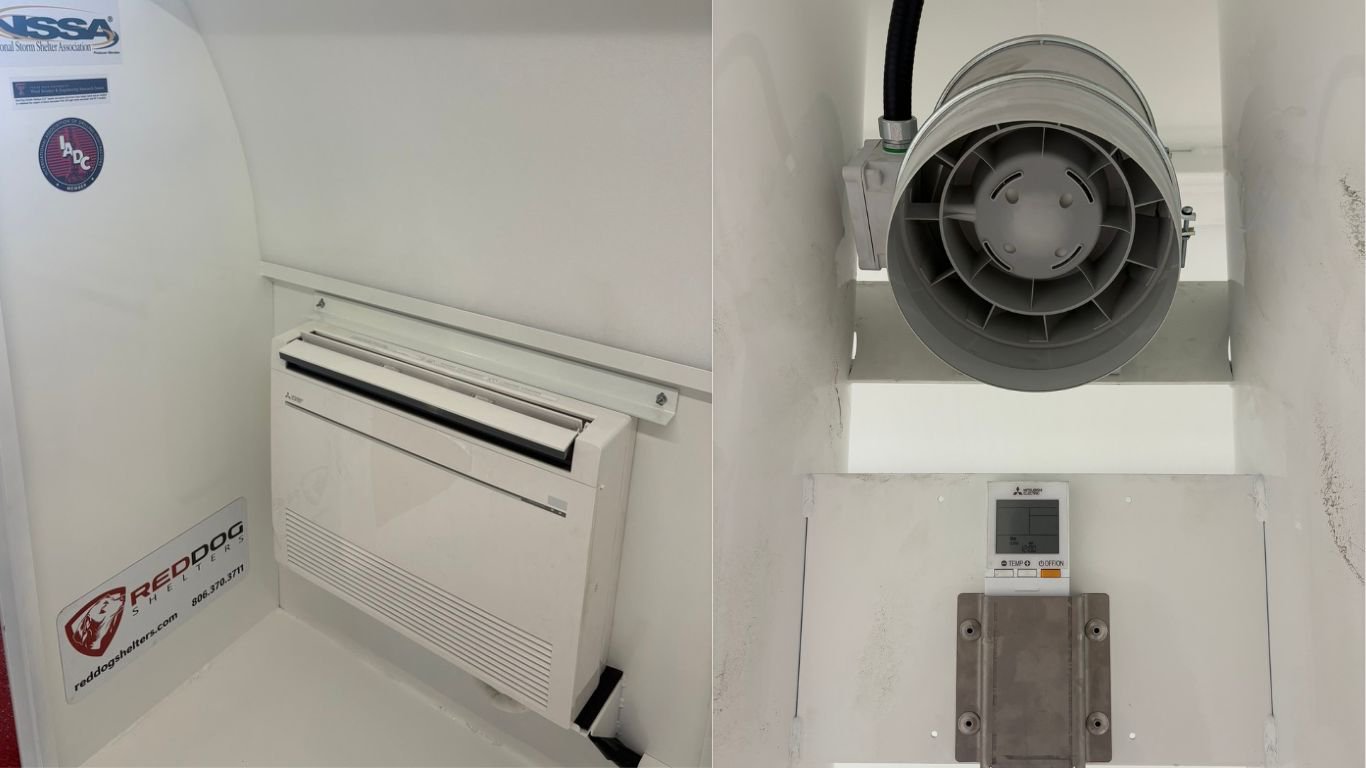
Tornado winds turn ordinary job-site debris into airborne hazards within seconds of touchdown. Good storm shelter ventilation has to let fresh air in without opening a path for that debris. Crews sheltering inside steel walls for hours still need breathable air the whole time.
Red Dog Shelters builds every above-ground unit to handle that exact engineering problem. Our patented design keeps a sealed steel shell rated to stop flying debris at 100 mph. Here's how we protect openings while keeping air moving for everyone inside the cabin.
The Engineering Tradeoff Behind Storm Shelter Ventilation
Every opening in a steel safe room is a weak point unless engineers design around it. Storm shelter ventilation needs enough open area to exchange air for up to 32 people. Still, the same opening has to resist a wind-driven two-by-four without losing its seal.
Red Dog's curved roof already does double duty on every Big Dog unit we build. Two vacuum tubes inside that roof create a pressure differential that holds the shelter down. Wind speed increases that force, so the same roof design also protects the vents nearby.
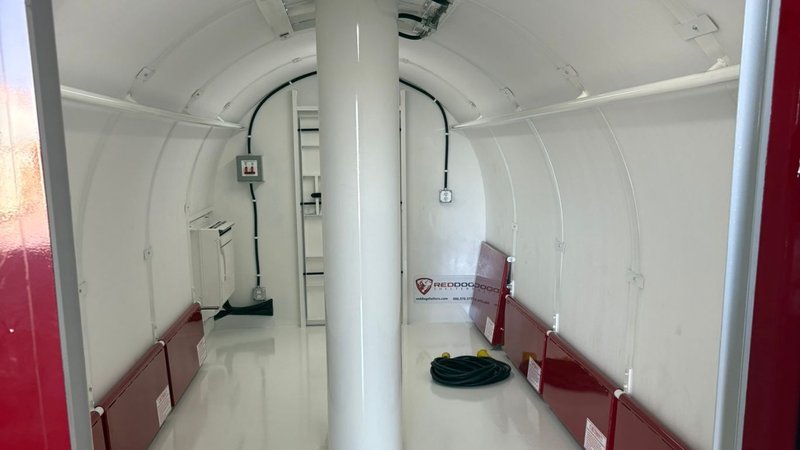
Meeting that dual demand takes real testing, not guesswork or a manufacturer's marketing claim. Independent labs check how well protective vent openings hold up against flying debris. In turn, Red Dog holds every vent opening to the same standard as the walls.
Impact Ratings for Louvers and Vents
Testing follows a strict benchmark built around real wind-borne debris, not a theoretical worst case. According to wind-driven debris testing guidance, louvers must survive a 15-pound board moving at 100 mph. Red Dog builds every opening to match that same pass mark before a unit ships.
Solid testing gives safety directors real proof instead of a sales pitch before approval. You can compare that number to any other vendor's posted testing standards before you decide.
Keeping Storm Shelter Ventilation Breathable for 32 People
A sealed steel cabin can turn stale fast once the door closes for hours. Good storm shelter ventilation depends on smart high-occupancy shelter sizing from the start. Red Dog rates the Big Dog unit for 32 people using the Federal Emergency Management Agency (FEMA) commercial standard.
- You skip anchoring and foundation work entirely, since the vent system needs no extra site prep.
- Your crew can add shelters as headcount grows, so total ventilated capacity grows right along with it.
- Units spread across a large site, giving every crew a nearby breathable shelter within a short walk.
- You can move a shelter yourself, or our winch truck team can reposition it for you.
- Each cabin still works as a lightning-safe muster point, with fresh air flowing the whole time.
Spreading capacity this way keeps every worker close to breathable shelter when a storm forms fast. It also means no single vent design has to serve an entire workforce at once. Flexibility like this keeps every work-ready shelter setup breathing steady as crew size changes.
Real-World Comfort During a Multi-Hour Storm
On an actual job site, storm shelter ventilation only matters if it holds up. Oil rigs, data centers, and pipeline crews also shelter through storms lasting several hours. Dual air conditioners and heaters keep conditions livable long after the door seals shut.
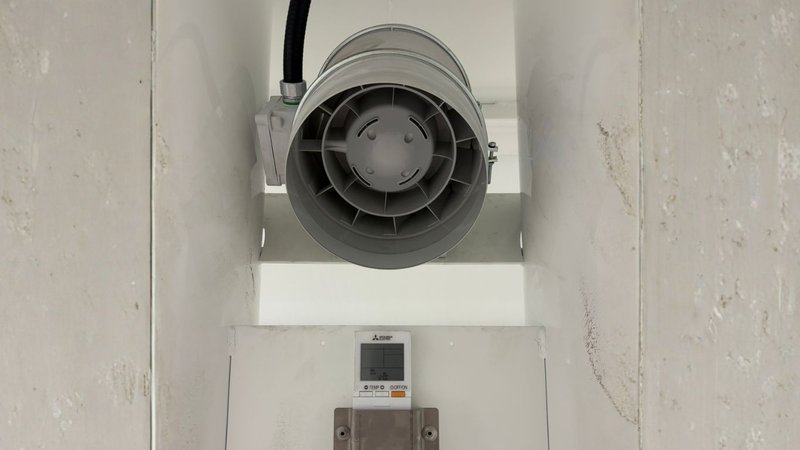
Fresh air moving through impact-rated vents keeps that equipment from overheating the cabin. In fact, steady airflow is what makes a multi-hour shelter stay usable instead of stifling. Heat stress becomes its own hazard once a crew waits out a storm for hours. Our shelters double as on-site cooling stations when the weather turns dangerous outside. As a result, ventilation design and temperature control end up solving the same problem.
None of this works without real engineering behind every vent and every seam. From there, Red Dog designs each opening to hold its rating for the unit's life. Careful engineering like this protects people first and keeps paperwork simple for your team.
Talk to Red Dog About Storm Shelter Ventilation Today
Balancing airflow and debris protection takes more than a hole cut in sheet steel. Red Dog builds that balance into every Big Dog and TowDog unit we ship. Your team gets tested protection and breathable air without a single compromise between them.
Every yard we operate ships shelters ready to test, inspect, and prove their rating. Pricing depends on project length and unit count, so let's talk through your specific site. Reach out to our team to see how our ventilation design fits your next project.
Leave a Reply