
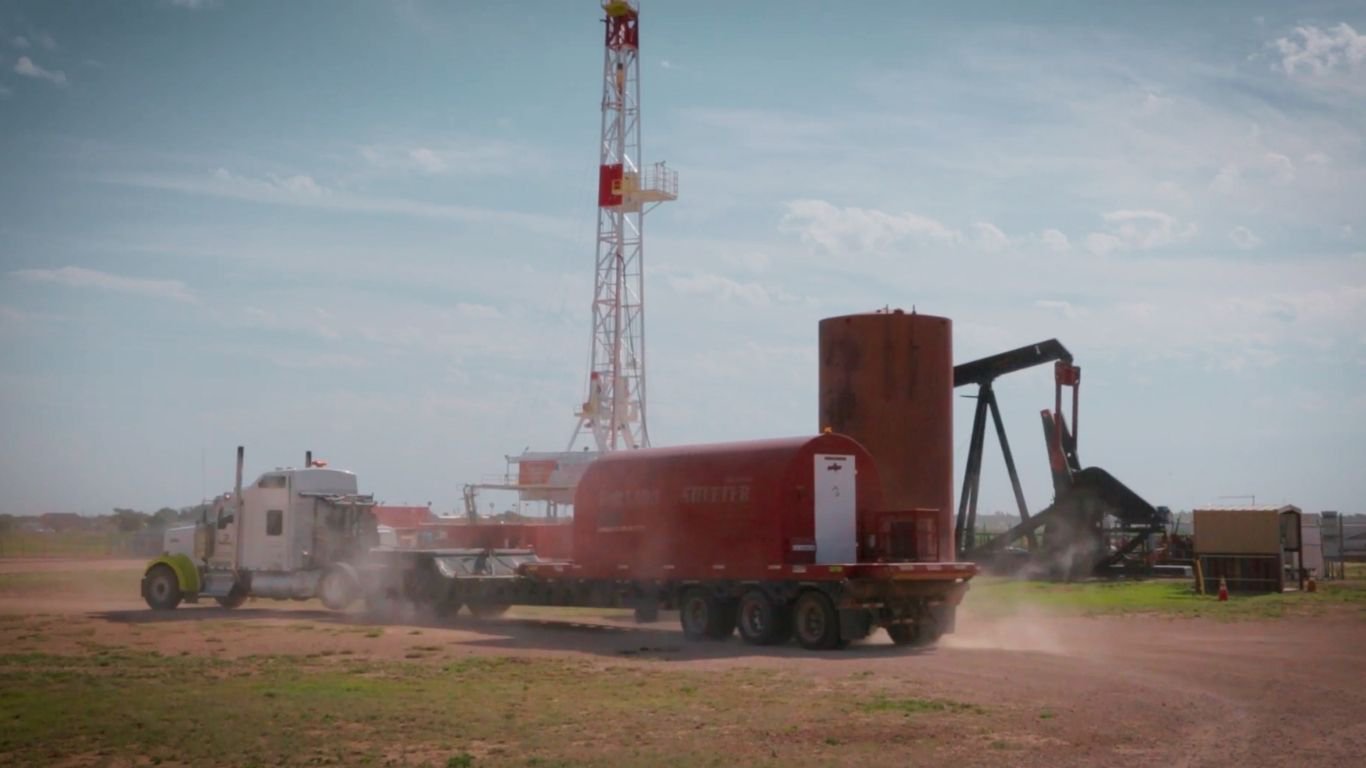
Data center construction is concentrated, deadline-driven work. Crews move through rapid phases as steel goes up. Headcount fluctuates by trade, and the footprint shifts continuously before mechanical, electrical, and plumbing (MEP) work begins. Open jobsites at the structural stage face real tornado risks.
These properties sit on flat terrain across the central and southern United States, where severe storm cells develop in minutes. Modular infrastructure solutions have reshaped how project teams manage information technology (IT) systems. However, that same deployment logic belongs in the crew safety layer.
The Safety Gap in Data Center Construction Planning
A data center site during the construction phase has none of the structural protection a completed facility would provide. There is no hardened core or permanent structure where crews can take cover quickly. Headcounts shift daily as different trades cycle in and out. The flat terrain surrounding most active sites, typically cleared agricultural or industrial land, offers no natural wind protection.
Traditional shelter options compound the problem. An underground bunker requires excavation, permitting, and a fixed installation point. This requirement commits a safety asset to a single location on a changing site. When construction shifts to a new section, the fixed shelter can end up 500 yards away from the workforce. A typical tornado warning provides only two to three minutes of notice. Safety directors evaluating site safety before mobilization must look beyond basic shelter availability. They should ensure protection remains within reach of active crews during every phase.
Modular Infrastructure Solutions Built for Active Job Sites
What separates a deployable above-ground shelter from a fixed installation is not just portability. Deployable protection sits precisely where workers concentrate during specific phases. Managers can add units as headcount grows and remove them when a section wraps up. This flexible adjustment requires no foundation work or site preparation.
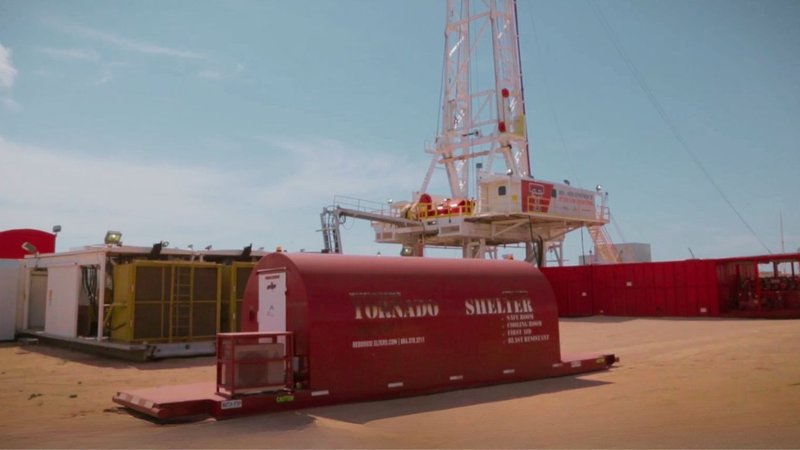
Red Dog Shelters' primary unit sets up in as little as five minutes on flat ground. The Aerodynamic Anchoring™ system works through passive pressure differential rather than bolts, stakes, or concrete. Wind passing over the curved roof transfers low pressure through vacuum tubes. This process creates a downward force that increases alongside wind speed. There is no foundation to pour and no hardware to install, meaning the shelter is secure the moment it is placed.
The Big Dog unit is certified to meet Federal Emergency Management Agency (FEMA) safe room standards under the FEMA P-320 and FEMA P-361 guidelines. The unit holds 32 occupants based on the commercial standard of five square feet per person across 160 square feet of usable floor area. Some competitors advertise higher numbers by applying the residential standard of three square feet per person, which inflates their figures. For safety directors managing large crews, that distinction matters when determining how many units a site actually needs.
On large sites, distributing multiple units throughout the property shortens the distance workers must cover when a warning sounds. These prefabricated safety units carry the same structural certification regardless of quantity. Consequently, safety coverage scales predictably as the project footprint grows.
Modular Infrastructure Solutions Consider Tornado Risk and the Open-Terrain Factor
Open-terrain job sites in the central United States face a specific combination of conditions. Flat ground gives tornadoes an unobstructed path and offers workers nowhere to shelter naturally. Warning times across Tornado Alley can be as short as two minutes. This narrow window makes physical shelter placement on site just as critical as official engineering certification.
The Occupational Safety and Health Administration (OSHA) tornado preparedness guidance requires employers to designate shelter locations before a storm arrives. For expansive sites, this mandate means placing certified protection near each active work zone rather than relying on a single central unit.
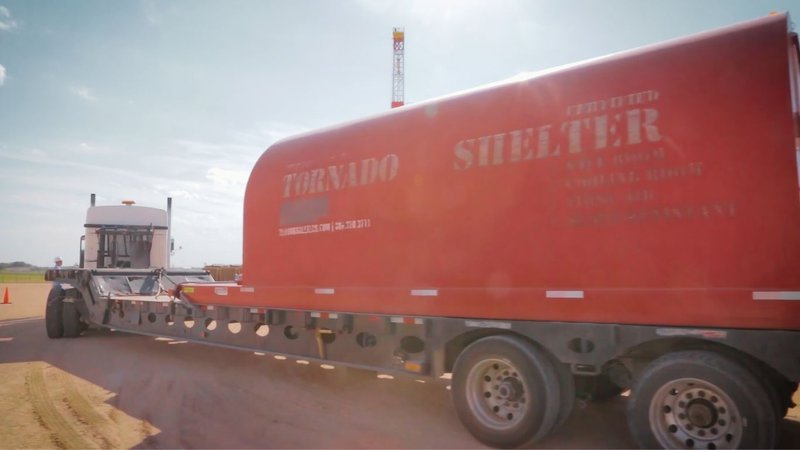
Units arrive on site within 24 to 48 hours via flatbed winch trucks. Trained drivers handle loading and unloading without requiring extra local equipment. As new phases begin or crew concentrations shift, project teams with the equipment on hand can reposition units themselves. Those that do not can request a winch truck dispatch from Red Dog. Either way, the adjustment happens without disrupting active work.
One Unit, Multiple Functions Across the Build
The value of an above-ground shelter on a data center construction site extends well beyond severe weather. A single unit remaining on site supports multiple operational functions throughout the build. It requires no modifications or extra equipment.
Dual air conditioning units transform the shelter into an immediate cooling station during summer heat spells. Workers recover quickly, which supports regulatory heat stress compliance. The all-steel construction and grounding design protect crews during electrical storms. The unit functions as a Faraday cage to eliminate high-voltage charges from the interior. When an emergency requires crew accountability, the 128-decibel siren and emergency lighting make it a reliable muster point.
Project managers designing an environment, health, and safety (EHS) strategy can use shelters as multi-functional spaces. A unit positioned near the active trade hub serves as a briefing room, training space, or field office. The 288-square-foot interior includes benches, a desk, and integrated climate control. It delivers the utility of several traditional site assets within a single certified structure.
Data center projects require flexible safety infrastructure that matches the changing scope of the build. Protection must deploy near active crews, scale alongside headcount, and relocate as work advances. Safety directors and project managers evaluating options for their upcoming build can contact us. We’ll be happy to explore unit counts, site placement, and lease structures with your team.