

Severe weather planning is critical for energy operations. Tornadoes and high wind events threaten workers across many drilling regions. Safety leaders must decide which protection method fits the job site. Many consider underground tornado shelters because below-grade structures are historically associated with storm protection.
Remote oil fields present unique challenges. Crews often work far from permanent infrastructure. Locations shift as drilling progresses. Workforce size may change weekly. These factors influence whether underground construction makes sense.
Below-grade refuges can perform well in certain settings. However, remote extraction environments introduce complications that affect installation, maintenance, and daily usability. Understanding these realities helps companies choose a practical safety strategy.
Site Conditions Often Limit Underground Tornado Shelter Installation
Oil fields rarely offer uniform soil conditions. Many regions contain unstable ground, high water tables, or dense rock layers. Excavation becomes complex when subsurface conditions vary across the lease.
Below-grade construction requires digging, grading, and structural reinforcement. These tasks can increase cost and project time. Remote drilling sites may lack the equipment required for deep excavation. Contractors must mobilize additional machinery and crews.
Weather can also delay ground work. Heavy rain or saturated soil slows excavation and raises safety concerns. Construction schedules can slip during the same seasons when tornado risk increases.
Site disturbance presents another concern. Large excavations disrupt soil structure and drainage patterns. Restoration becomes difficult when drilling operations shift to another location.
Access and Response Time Matter for Underground Tornado Shelters
Emergency protection must be reachable within minutes. Oil field crews may work across wide pads or equipment zones. Travel distance becomes a key factor during a tornado warning.
Underground shelters often require stairways or hatch entries. These access points can slow entry during high-stress situations. Mud, rain, or debris can make steps slippery. Workers wearing protective gear may move more slowly.
Night operations add another challenge. Many drilling activities continue around the clock. Limited lighting near a buried shelter can make identification difficult.
Above-ground visibility can improve response time. Workers react faster when the refuge is easy to spot and approach. Clear access supports smoother entry during urgent situations.
Maintenance and Water Intrusion Risks
Below-grade structures must manage water pressure. Groundwater can seep through joints or cracks over time. Even well-built shelters require inspection to prevent moisture intrusion.
Remote locations may not support regular maintenance visits. When drainage systems fail, standing water can develop inside the structure. This condition can create mold, corrosion, or equipment damage.
Power supply is another factor. Some underground units rely on pumps or ventilation systems. Electrical failure during severe weather can compromise usability.
Oil field environments are already demanding. Equipment must tolerate dust, vibration, and temperature extremes. Underground shelters add another layer of upkeep that may strain maintenance resources.
Mobility and Changing Work Zones
Oil field activity rarely remains in one location. Drilling rigs move. Housing areas shift. Equipment staging changes as production phases evolve.
Permanent underground structures cannot move with the workforce. Once installed, they remain fixed to that location. Crews working farther away may face longer travel times during warnings.
Companies sometimes build additional shelters as operations expand. This approach increases construction impact and capital spending.
Mobile protection offers a different model. A relocatable unit can follow drilling activity across the lease. Safety coverage stays closer to workers as projects evolve.
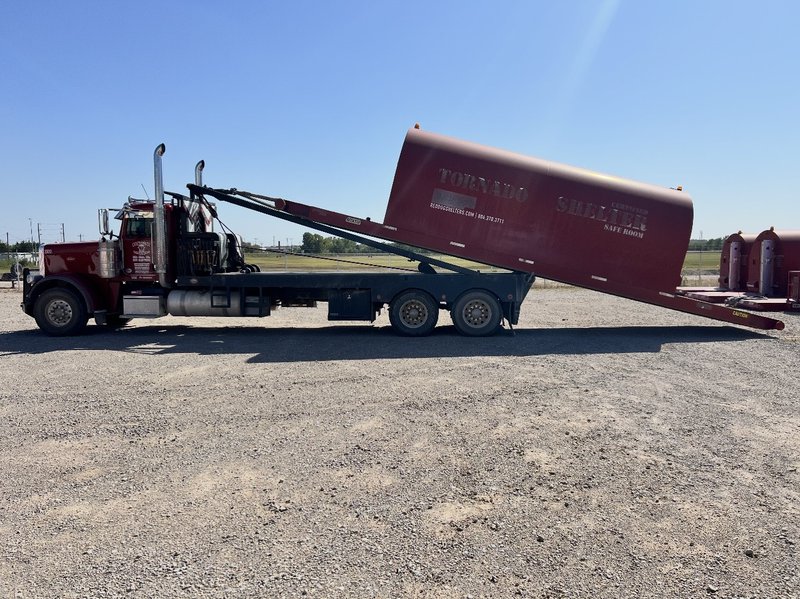
Mobility can also support seasonal deployments. A single shelter may serve multiple sites over time. This flexibility can reduce the need for permanent installations.
A Practical Approach for Remote Oil Field Safety
Safety planning in oil regions must consider both protection and practicality. Structures must perform during severe wind events. They must also fit the realities of remote operations.
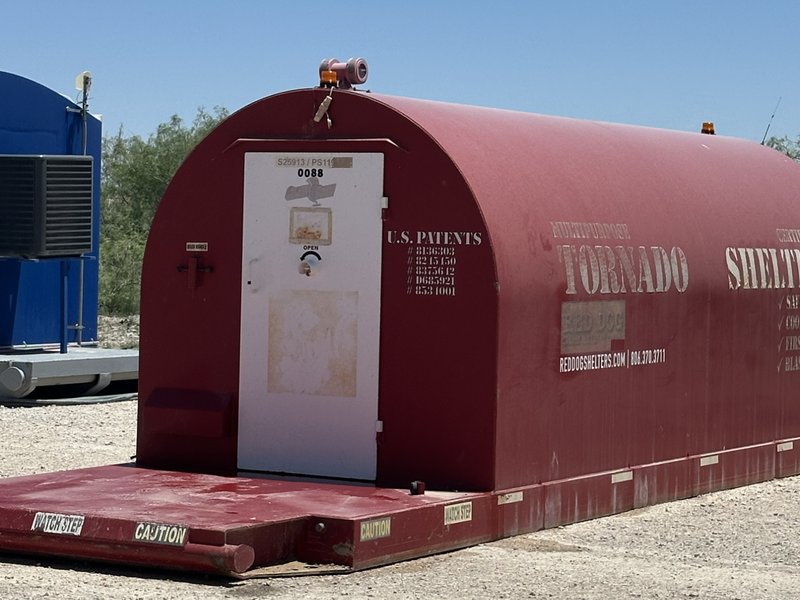
Red Dog Shelters provides above-ground tornado protection designed for these conditions. Their shelters use patented aerodynamic anchoring technology that secures the unit once placed on flat ground. Mechanical anchors or foundations are not required.
This design allows installation within minutes. Units can be relocated as drilling zones change. Crews remain protected even as operations move.
Each shelter is built from thick A36 steel and tested by the Texas Tech Wind Science and Engineering Research Center. A standard model measures 35 feet long, 8.25 feet wide, and 8.25 feet high. Interior space totals 288 square feet and supports 32 occupants under FEMA standards. Up to 54 individuals have sheltered during oilfield conditions.
Ventilation meets or exceeds FEMA 320 and ICC 500 guidance. Each occupant receives at least four square inches of vent area. Interior features include benches, a desk, and a rapid cool-down station. Dual air conditioners and heaters help manage temperature extremes. Power can run from an on-site source or an operator-supplied 5kW generator.
Remote operations benefit from solutions that reduce civil work and support fast deployment. Above-ground protection also avoids groundwater complications that affect underground construction.
Explore Shelter Options That Fit Remote Oil Operations
Choosing the right protection method depends on site realities. Soil conditions, travel distance, and maintenance resources all influence the final decision. Remote oil field safety requires solutions that perform during severe weather while adapting to shifting work zones.
Contact Red Dog Shelters to discuss your drilling site layout and workforce size. Our team can help you evaluate shelter strategies that keep crews protected across remote oil operations.