

You expect a storm shelter to protect your crew, not add new risk. Many traditional tornado cellars carry a hazard your crew may never see coming. Heavy rain and a rising water table can flood a below-grade shelter fast and without warning.
The same storm system that triggers a tornado warning often brings torrential rain first. Sump pumps can fail right when you need them most, leaving standing water inside. Above-ground shelters remove that danger completely, since they sit on the surface, not below it.
Why Do Tornado Cellars Flood During Severe Storms?
Tornado cellars sit below ground, so they collect rain runoff and rising groundwater during storms. A high water table pushes moisture upward, and heavy rainfall pools around the structure fast. When the sump pump loses power during the same storm, the cellar can flood in minutes.
The Hidden Water Risk Inside Traditional Tornado Cellars
Below-grade tornado cellars look simple, but the ground around them holds real risk. The Federal Emergency Management Agency (FEMA) treats groundwater as a serious design threat for these structures. FEMA's anchoring guidance warns that heavy rain and a high water table can push an unanchored cellar upward.
In fact, storms often bring flash flooding right alongside the tornado threat your crew is watching for. A below-grade shelter built on a low spot can take on water within minutes of a downpour.
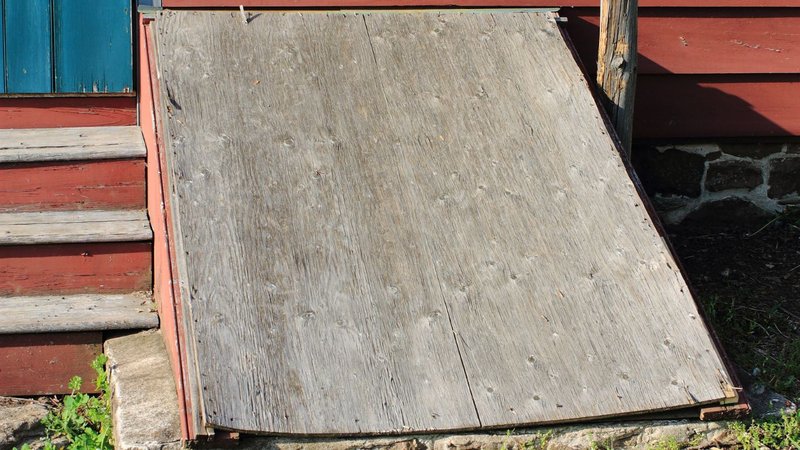
Some sites sit on ground where the water table rises close to the surface every spring. Our guide on high water table risks explains how that pressure builds against a buried structure over time. For a deeper look, our piece on flood zone alternatives covers sites where in-ground options fail most often.
Still, job sites near rivers, floodplains, or low-lying ground face the highest risk of all. In many cases, the shelter floods before anyone even realizes a tornado is close. A flooded cellar leaves your crew with no safe place to go when it matters most.
Why Above-Ground Design Beats Traditional Tornado Cellars for Water Safety
Red Dog shelters skip the water problem completely, since they never go below ground. You avoid every risk tied to traditional tornado cellars, because nothing sits underground to flood. Crews set up the unit on flat ground in hours, with no digging and no forms to pour.
Two vacuum tubes built into the curved roof create a steady downward force. Wind speed increases that force even more, so the shelter holds firm without any foundation work. Our breakdown of aerodynamic anchoring design explains the engineering behind this passive, wind-powered system.
Above-ground design also solves a sizing problem many shelter buyers never think to question. Some manufacturers list capacity using the residential FEMA standard instead of the commercial one. In turn, the gap matters a lot when you plan real headcount for an actual storm.
How Many People Can a Red Dog Shelter Hold?
FEMA rates commercial storm shelters using 5 square feet per person, not 3. Our standard 20 x 8 foot cabin works out to a rated capacity of 32 people.
Honest numbers matter when you plan shelter counts for a real crew size. See our full commercial shelter sizing guide for a side-by-side look at both FEMA standards.
How Above-Ground Shelters Adapt to Every Job Site
Job sites change fast, so your shelter setup should keep pace with the work. Above-ground units give you options that traditional tornado cellars simply cannot match on a busy site. Here is how a Red Dog shelter fits real project needs from start to finish.
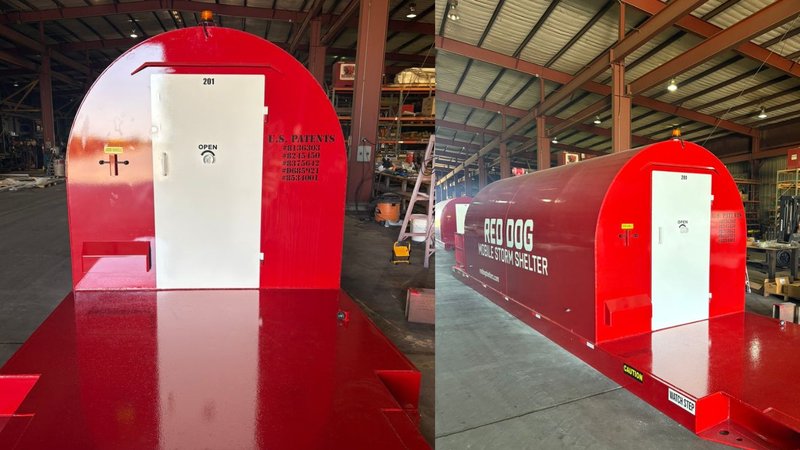
- You skip mechanical anchoring and foundation work completely, since the unit holds itself down.
- Add units as your headcount grows, then remove them as the project winds down.
- Each shelter is sized to spread across a site for faster access when storms build.
- Move a shelter yourself, or let our winch truck crew reposition it for you.
- Use the same unit as a lightning-safe Faraday cage or a muster point during drills.
For example, read more in our guide on reducing weather-related delays for busy projects. Your crew stays protected, and the project timeline never has to slow down.
Many crews also use the shelter as a command hub during active storm response. In turn, it doubles as a cooling station in summer heat and a warming space in winter. You get far more value from a shelter built to serve multiple daily roles.
Ready to Leave Flood Risk Behind?
Flooding turns a safe room into a liability at the worst possible time. Above-ground shelters remove that risk while still meeting the same FEMA-rated protection standard. Pricing depends on your project length and unit count, so every quote is built around your site.
Our team can walk you through unit sizes, lead times, and yard locations near your project. We build every shelter to keep your crew safe and dry, storm after storm. Contact our team today to trade flood-prone tornado cellars for a safer above-ground option.