
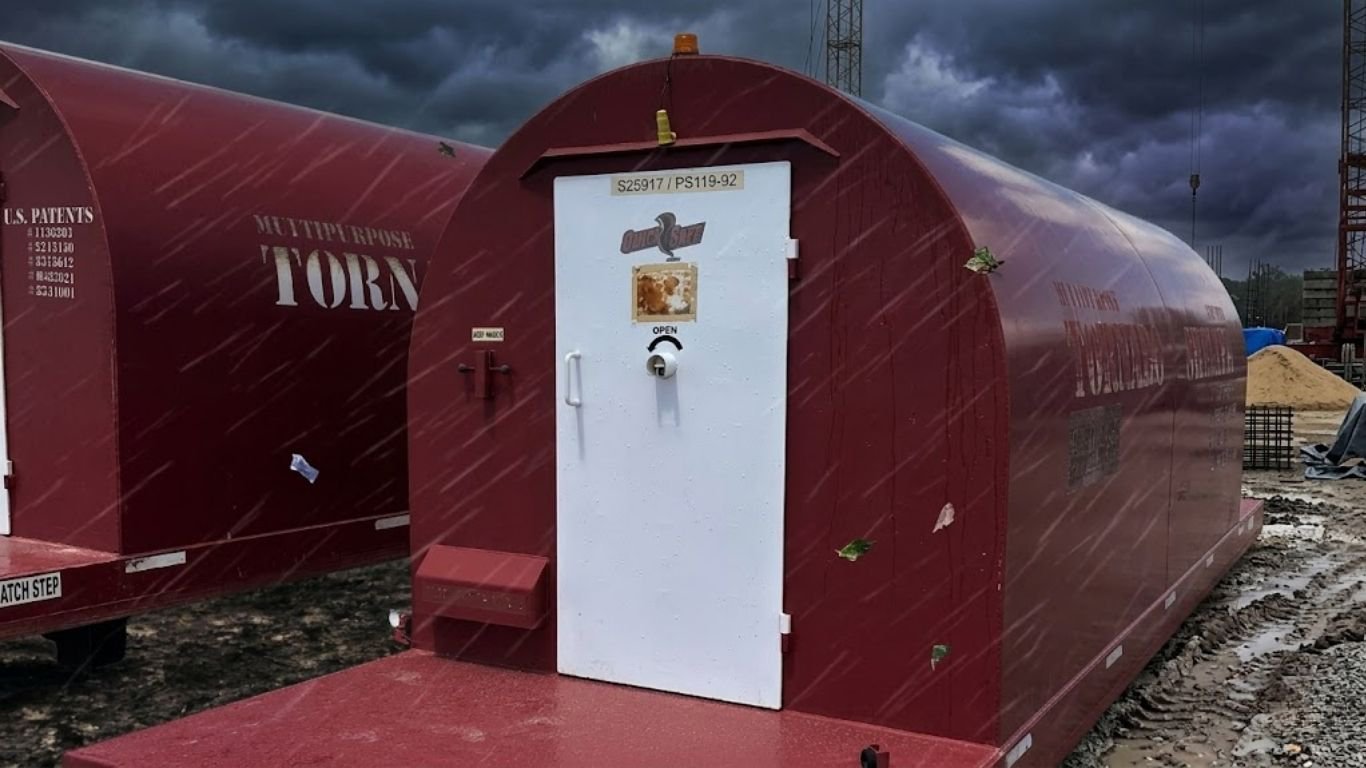
Critical facilities are built to keep operations running when conditions become unstable. Power redundancy, cooling stability, connectivity, fire protection, cybersecurity, and physical security all play a role in data center resilience strategies. Severe weather planning deserves the same level of attention because a facility cannot stay response-ready if essential personnel have no safe place to go.
Data centers depend on people during emergencies, not just equipment. Security teams, maintenance crews, contractors, operations staff, and site leaders may all need to stay coordinated when storms move through the area. Disaster-ready shelters give these teams a defined refuge point, helping protect workers while supporting the broader resilience plan around the facility.
People Belong Inside Data Center Resilience Strategies, Not Outside Them
Resilience planning often starts with infrastructure because uptime depends on power, cooling, connectivity, and physical security. Those systems are essential, but they do not respond to emergencies on their own. People still make the decisions, inspect the conditions, coordinate vendors, secure access points, and keep the facility’s response plan moving.
Workforce protection belongs inside data center resilience strategies, not beside them as a separate safety concern. If severe weather forces staff to improvise shelter access, the facility’s emergency plan becomes harder to manage. A defined refuge point gives essential teams a safer place to regroup while leaders keep the broader response organized.
Severe Weather Can Disrupt More Than Facility Infrastructure
Storms can affect the people and movement patterns around a data center long before they damage equipment. Outdoor security posts, construction zones, equipment yards, loading areas, and service routes can all become exposed during lightning, high winds, or tornado warnings. Even if the building itself remains operational, teams outside the main structure still need fast access to protection.
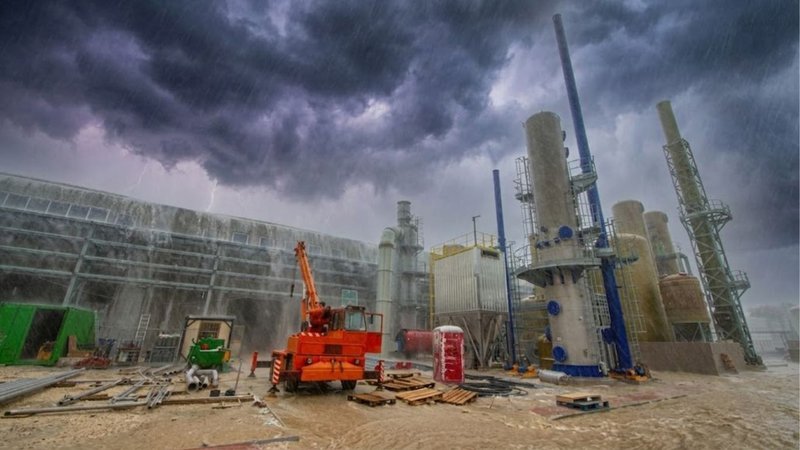
For operators, the risk is both human and operational. If workers are scattered across the property or unsure where to go, emergency communication can slow down. Dedicated shelter points strengthen site safety while supporting data center resilience strategies during weather events that require fast, organized action.
Disaster-Ready Shelters Strengthen Data Center Resilience Strategies
Disaster-ready shelters give data center teams a practical way to protect people without slowing down site operations. Above-ground mobile shelters can be placed near active work areas, security points, or temporary construction zones where staff may be exposed during severe weather.
For data center resilience strategies, that kind of placement matters because emergency response depends on access. If teams have to cross a large campus, open yard, or active construction area during a storm warning, the shelter plan may not support the speed the situation requires.
These mobile shelters also avoid mechanical anchoring and foundation work, which can be a major advantage around critical facilities. Once placed on suitable flat ground, the units can support emergency readiness without adding excavation, concrete, or fixed-installation delays to the site plan.
Shelter Placement Should Match the Data Center’s Operating Footprint
A data center campus may include more than the main building. Construction zones, generator yards, loading docks, security posts, utility areas, and contractor staging spaces can all create outdoor exposure points. Shelter placement should follow those real work patterns instead of assuming one central refuge point will serve every team well.
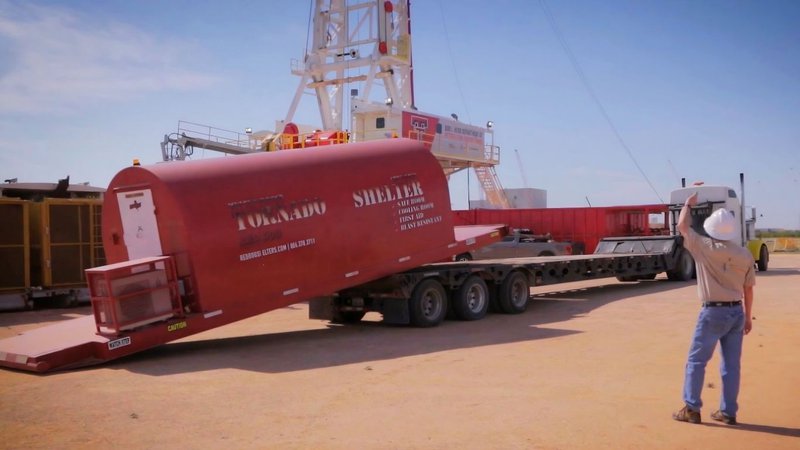
When mobile shelters are spread across the property, workers have a shorter path to protection during a warning. Close shelter access supports data center resilience strategies by reducing long travel routes for the people responsible for facility continuity, site security, and emergency coordination. It also helps safety leaders plan around how shelter locations can support daily site operations and emergency regrouping.
Scalable Coverage Supports Construction, Expansion, and Temporary Staffing
Data center sites rarely keep the same workforce profile from start to finish. Shelter coverage should reflect real staffing levels so data center resilience strategies are based on current exposure, not outdated assumptions.
Before setting the shelter layout, data center teams should review:
- Peak headcount during construction or expansion
- Outdoor crew locations during severe weather alerts
- Travel time from exposed areas to shelter access
- Whether units need to move as site activity changes
Mobile shelters give operators room to adjust as staffing needs shift. Units can be added when outdoor activity increases, then reduced when the project winds down or exposure levels change.
Make Workforce Protection Part of the Resilience Blueprint
A complete resilience plan should protect the systems that keep the facility online and the people who manage them. Severe weather can pressure both at the same time, especially when teams are working outside the main building or moving between different parts of the campus. Adding disaster-ready shelters to data center resilience strategies helps close that gap before an emergency exposes it.
Shelters can also support more than storm response. When properly grounded, they may serve as Faraday cages during lightning events, and they can also function as muster points when teams need a clear place to regroup. Include Red Dog Mobile Shelters in your next resilience review and close the shelter gaps around your critical site.