

Data center campuses spread hundreds of workers across construction zones, electrical yards, and active halls when storms threaten. An above-ground storm shelter shortens the path from warning to safety for every person on site. Accessibility becomes the deciding factor, because protection only works when people can reach it in time.
You manage critical operations, contractor crews, and visitors who may not know your emergency plan well. Below-grade bunkers add stairs, hatches, and flooding risks that slow entry during the most stressful moments. Explore how accessible shelter design protects lives and keeps your resilience strategy credible with leadership.
Why Seconds Matter on a Data Center Campus
Tornado warnings often give crews only minutes to stop work, secure equipment, and move to safety. Large campuses make the challenge harder because buildings, laydown yards, and substations sit far apart. Consequently, the distance to shelter becomes one of the biggest variables in your emergency response plan.
Workers in a generator yard cannot sprint across a parking lot while debris starts moving. Instead, they need protection within a short walk of their assigned work area.
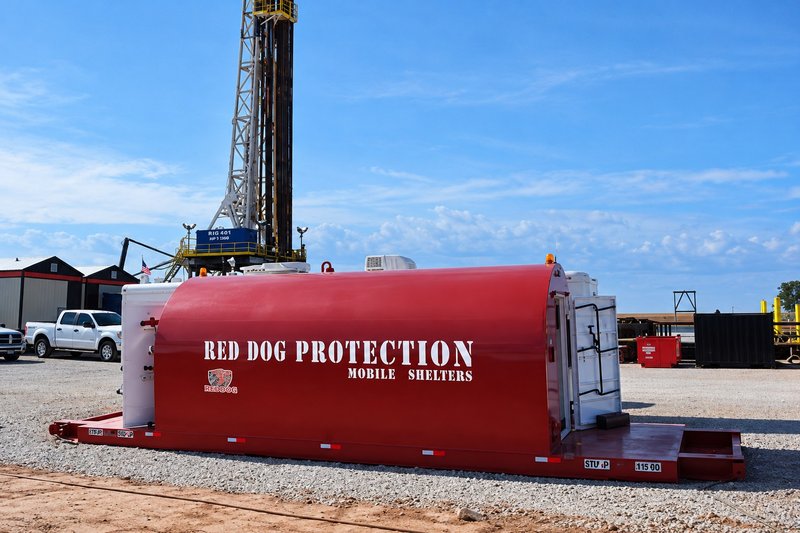
An above-ground storm shelter sits at grade, so occupants walk straight in without descending into a pit. Red Dog units also spread easily across a campus, placing protection near each active zone. As a result, you reduce travel time and improve accountability during a fast-developing storm.
Your emergency plan should treat shelter access as a measurable metric, not a general assumption. Additionally, walk each route during a drill and record how long crews need to reach safety. Learn more about disaster-ready shelters in data center resilience strategies to strengthen your planning.
Why Does an Above-Ground Storm Shelter Save Lives in Data Centers?
An above-ground storm shelter saves lives because workers reach it faster than a stairwell, basement, or buried bunker. Grade-level entry removes stairs, hatches, and flooding hazards that slow occupants or trap them inside. Placing units near each work zone also cuts travel time when tornado warnings leave only minutes to react.
How an Above-Ground Storm Shelter Removes Entry Barriers
Underground shelters create obstacles that matter most when people feel rushed, frightened, or injured. Steep stairs, heavy hatches, and standing water all slow entry and complicate rescue after the storm. In contrast, an above-ground storm shelter removes those barriers through simple design choices.
- Grade-level access: Occupants walk in without climbing down stairs, which helps workers with limited mobility.
- Dry interiors: Units sit above the ground, so rain and runoff cannot flood the occupied space.
- Visible location: Strobe lights and a 128-decibel siren guide workers to the door in low visibility.
- Easier exit: Responders reach occupants quickly because no debris-covered hatch blocks the way out.
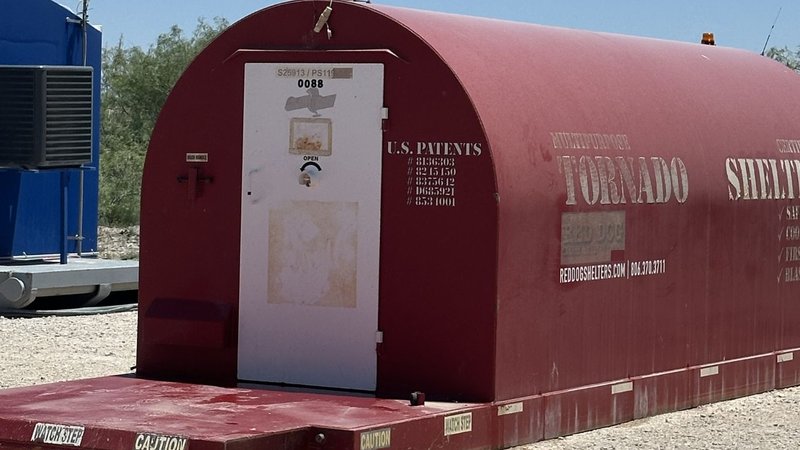
Together, these features turn a shelter into a resource that every worker can use without special training. Moreover, accessibility supports your duty of care toward contractors, vendors, and visitors on your campus. Review your emergency management plan for data centers to align shelter access with evacuation procedures.
Fast entry also builds confidence, because crews trust a plan they can execute under pressure. Meanwhile, managers gain clear headcounts at each unit as soon as the door closes behind the crew.
Plan Capacity, Comfort, and Multi-Purpose Use
Accurate capacity planning keeps every worker covered as your project headcount rises and falls. Red Dog follows the Federal Emergency Management Agency (FEMA) commercial standard of 5 square feet per occupant. Therefore, each 160-square-foot cabin carries an honest and transparent rating of 32 occupants per unit.
Some vendors list higher numbers by using the 3-square-foot residential standard on similar units. Because of that gap, ask every supplier to explain its occupancy math before you sign. Additionally, you can add units as headcount grows and remove them as construction winds down.
Your above-ground storm shelter can work every day instead of waiting for the next tornado warning. For example, crews use units as cooling rooms, muster points, and Faraday cages during lightning storms. Dual air conditioners and heaters keep occupants comfortable through long storms and summer heat.
Read how mobile shelters support data center infrastructure management across every build phase. Finally, Red Dog repositions units with a winch truck whenever your site plan changes.
Bring Above-Ground Storm Shelter Protection to Your Campus
Accessibility separates a shelter that looks good on paper from one that saves lives in practice. Above-ground units remove stairs, flooding, and long travel distances from your emergency equation. Red Dog Shelters deploys certified units without foundations, often within 24 to 48 hours of your order.
Lease terms vary with your timeline, so our team explains options that match each construction phase. We will also help you map shelter placement around halls, yards, and substations. Reach out to our team today and put accessible protection within steps of every worker on your campus.
Leave a Reply